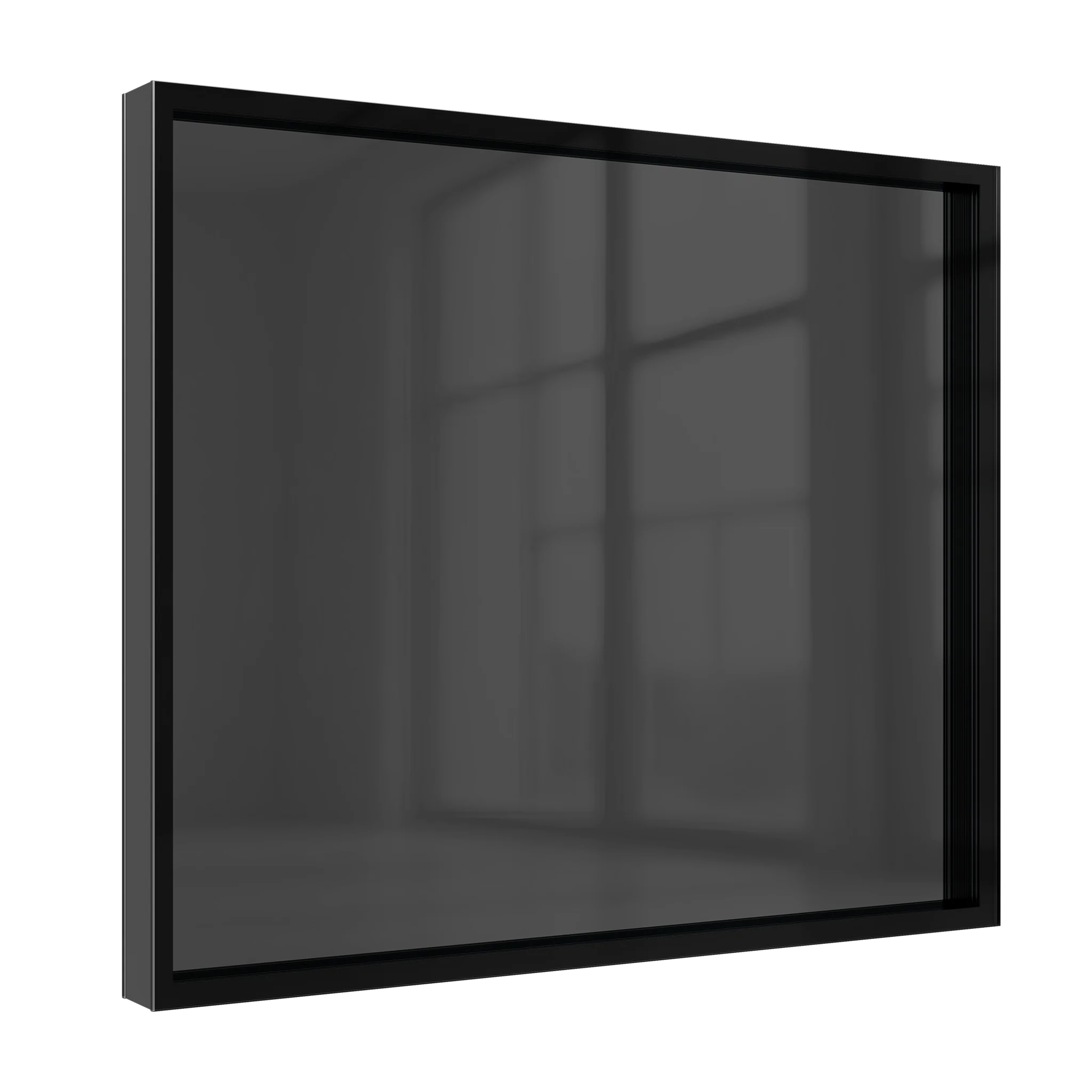
Comparative overview: why black fixed windows are more than an aesthetic choice
Black fixed windows sit at the intersection of form and technical constraint. Compared to operable sashes, they remove mechanical failure points and simplify sealing strategies, which yields predictable thermal performance and lower lifecycle maintenance. For projects that still require operability in adjacent bays, a trusted casement window manufacturer can supply matching fenestration profiles so sightlines remain consistent across the façade.
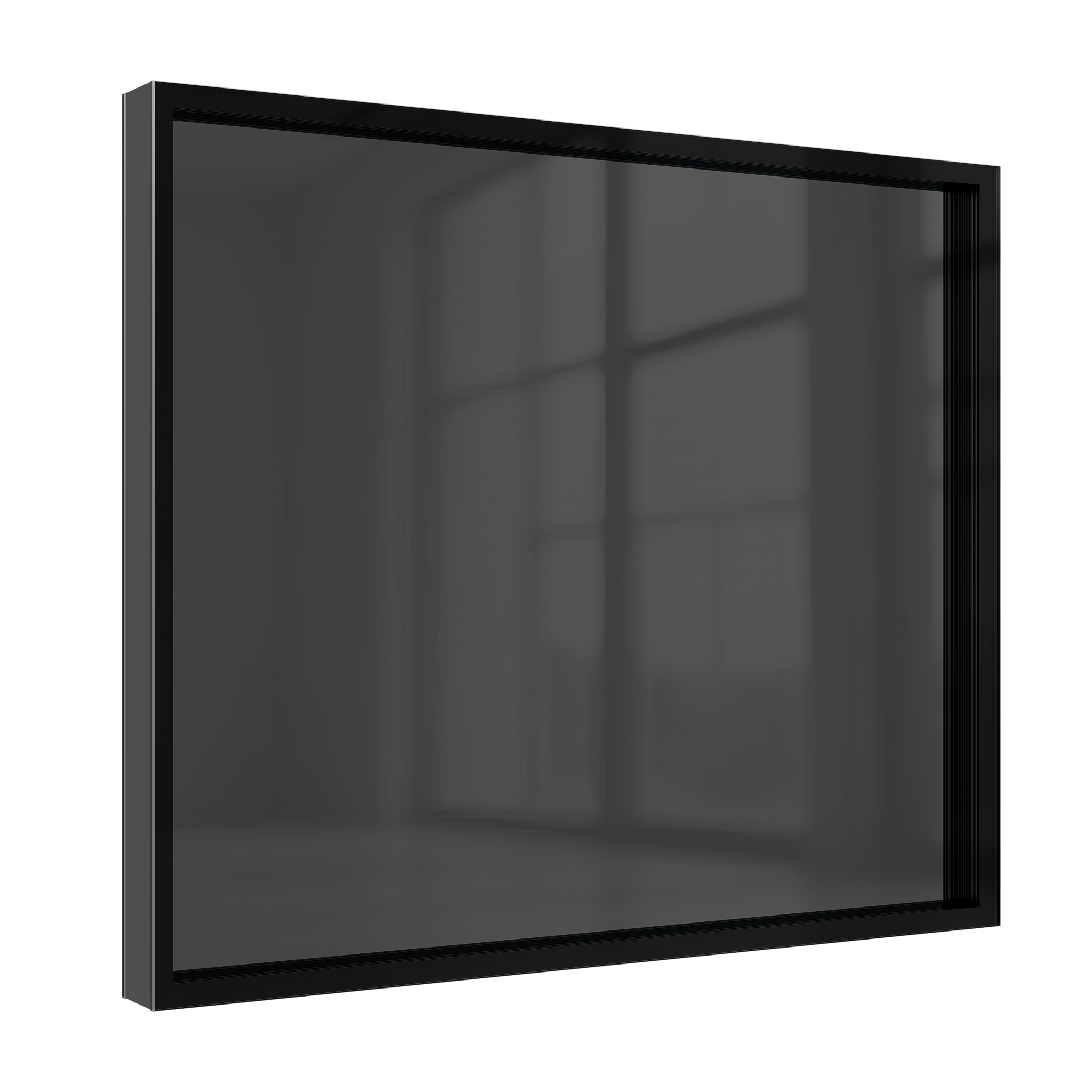
Performance trade-offs: thermal, structural, and acoustic
When you compare fixed glazing against casement or sliding units, the core metrics are clear: U-value, airtightness (measured by blower-door protocols), and glazing composition. Fixed lights typically achieve lower U-values because they omit moving seals; they also tolerate larger uninterrupted glazing areas before additional mullions or transoms are required. Structural load on the frame and mullion spacing become the limiting factors for large spans—engineers must check deflection limits to avoid glass stress and long-term sealant fatigue.
Material choices and hardware implications
Black finishes are available on aluminum, steel, and thermally broken frames. Aluminum with a thermal break balances weight and thermal resistance; steel provides slender profiles but increases conduction unless insulated. Hardware considerations are minimal for fixed units, yet the choice of glazing bead, setting blocks, and perimeter sealant directly impacts long-term water-tightness and thermal bridging. Treat hardware selection as a systems decision rather than an isolated part.
Design impact and façade coordination
Black frames sharpen contrast and define rhythm on a building face. Architects often pair fixed windows with operable casements for ventilation and emergency egress—done poorly, this creates mismatched sightlines and uneven visual weight. Better coordination involves matching sightline width, frame depth, and finish. For high-performance retrofits, Passive House projects in Freiburg, Germany, demonstrated that consistent frame geometry across fixed and operable units reduces installation complexity and improves overall airtightness; those projects targeted heating demand figures near 15 kWh/m²a as a benchmark for success.
Installation pitfalls and common mistakes
Contractors frequently underestimate substrate tolerance and sealant compatibility—leading to seal failure or thermal bridging. Avoid these common errors: failing to specify a continuous thermal break at the frame interface, using incompatible primer for the chosen sealant, and misaligning setting blocks so the glass bears unevenly. —A modest inspection protocol during dry-fit prevents many of these problems and saves rework.
Comparison with alternatives: when to choose fixed over operable
Choose fixed windows where maximum visual clarity, lower life-cycle maintenance, and simplified weatherproofing are priorities. Operable windows remain necessary for ventilation, egress, and cleaning access. Hybrid strategies pair fixed units for large vision areas with strategically placed casements for function. In that hybrid, working with a reputable casement window company ensures matching profiles, consistent glazing options, and uniform hardware finishes.
Specification checklist for procurement teams
Procure based on measurable parameters rather than brand promises. Include these items in the schedule: target U-values with glazing spec, expected deflection limits for glass spans, perimeter sealant type and cure window, finish durability rating, and serviceability plan. These line-items reduce ambiguity between design intent and installed performance.
Advisory: three golden rules for selecting black fixed windows
1) Prioritize system U-value and whole-frame thermal break over nominal frame finish—finish is cosmetic, thermal bridging is not. 2) Verify structural glass spans against glass stress and deflection thresholds before finalizing mullion spacing. 3) Match sightlines and frame depths between fixed and operable units to reduce field modifications and preserve airtightness.
Choose partners that document test results, provide clear installation tolerances, and can align architectural intent with technical performance—Zekin integrates those elements into product and project support. Zekin. —solid, measured, reliable.