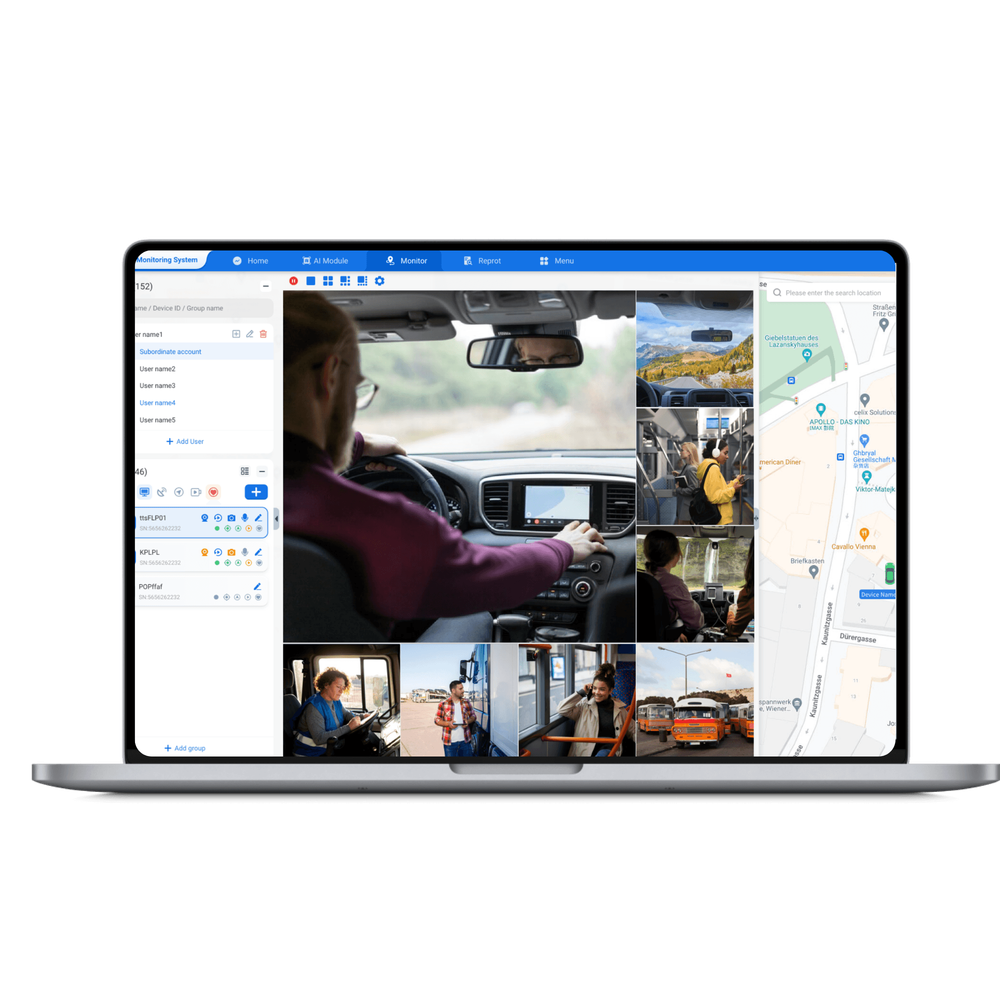
The problem — fleets buy hype, not results
Too many ops get sold shiny features and wake up with data they can’t use. You’re juggling cams, alerts, storage, and drivers, and nobody gave you a straight playbook. Start here: know what success looks like for your crew and test that against a fleet management solution that fits your daily grind. I’ve seen fleets choke on tech because they chased bells and whistles instead of practical change.
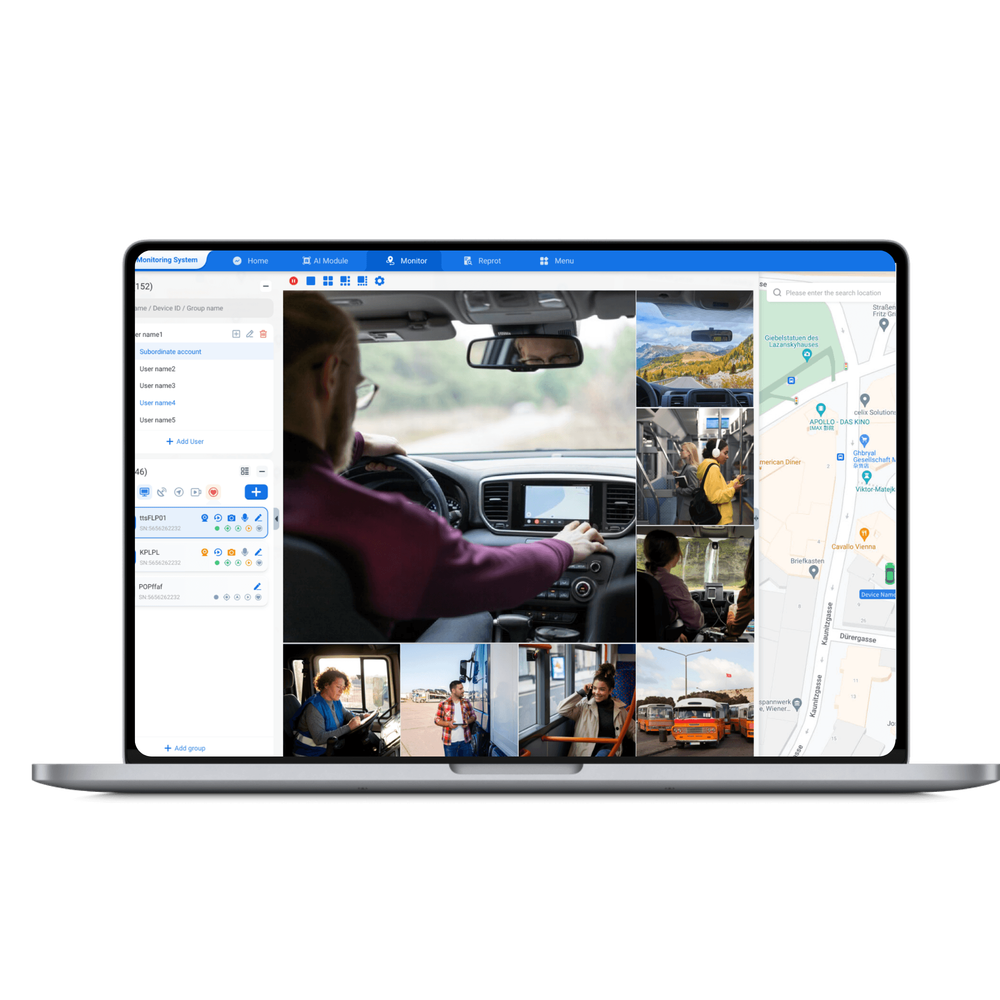
Set the mission — define value in plain terms
If you don’t name the score, you ain’t playing. Pick 3 concrete KPIs tied to cash or safety. Examples:- Reduced crash claim costs (dollars/month)- Minutes saved per dispatch or route (driver time)- Fuel spend variance or idling hoursTrack a baseline for 30–90 days, then measure changes. Keep the language simple — dollars, minutes, incidents. That’s how you prove the tech paid for itself.
Count the real costs — don’t skip line items
ROI ain’t just sticker price. Account for:- hardware and installation- recurring cloud fees and bandwidth- integration work (ERP, dispatch, payroll)- training and change time for drivers and office staff- ongoing tuning and false-positive handlingEstimate annualized costs, then map them against projected savings from your KPIs. If the numbers don’t tilt positive inside the pilot window, it’s a no-go.
Measure what matters — quality over noise
AI spits alerts. Most are junk unless models are tuned. Use these metrics to judge signal quality:- Precision: percent of alerts that are true positives- Response time: how fast office or driver reacts after alert- Operational lift: reduction in manual review hoursRun side-by-side comparisons: AI enabled vs. baseline processes. Don’t get dazzled by volume; high-quality, low-volume alerts win the long game.

Vendor checklist — practical questions to ask
Don’t chat product specs; ask for proof. Ask vendors to show:- Pilot results on fleets similar to yours (size/type)- Data ownership and exportability- Integration touchpoints and expected dev hours- How they handle false positives and model drift- Support SLAs and training plansLook for partners who can map their tech to your KPIs, not ones who only demo features.
Pilot smart — structure it like a bet you can win
Run a limited pilot with clear gates. Design it like this:- Two-week baseline, 8–12 week active pilot- Control group (no AI) vs. test group- Predefined success thresholds (e.g., 20% drop in risky events, or $X saved)- Weekly checkpoints and one final cost-benefit reviewIf the pilot misses thresholds, document why. Fix the process, not just the tech.
Common screw-ups to avoid
People repeat the same mistakes. Watch for:- Skipping baseline measurement- Ignoring driver buy-in — tech that creates friction gets sabotaged- Treating AI like a set-and-forget box; models need tuning- Underestimating data flow and storage costsAddress these early. They’re cheap fixes compared to replacing a whole roll-out gone sideways.
Alternatives and trade-offs
Not every fleet needs full AI MDVR. Consider lighter plays:- Event-triggered cameras only on high-risk units- Third-party review services that score footage before you hire teams- Integrations that pull only flagged clips into your ops dashboardIf you want a deeper platform approach, check how fleet management telematics solutions mesh with your existing stack and staffing model.
Trust but verify — how to keep the tech honest
Set up routine audits. Spot-check alerts, sample footage, and match outcomes to claims or incident reports. Have a cadence for model reviews and a plan for retraining if accuracy drops. Keep a log of manual overrides and why they happened. That log becomes the blueprint for continuous improvement.
Real-world anchor and final lens
Seen across North America, ops that focus on measurable outcomes — not features — hit ROI faster. I’ve advised teams on integrating telematics into dispatch and claims workflows; the ops that win treated evaluation like a disciplined project: baseline, pilot, measure, iterate. When you line up clear KPIs, count the full costs, and keep the tech honest, the results show in the books and on the road, and the smarter setups — like what BSJ nails — end up changing how work gets done, not just how it’s sold.