Comparative premise
The central question is simple: which design choices and operational conditions explain why one solar inverter yields higher energy and fewer interruptions than another at similar price? This piece compares the decisive factors rather than cataloguing products. The comparison draws on engineering principles, field observations from rooftop installations in Dubai, and published safety standards. Readers will find a side-by-side logic that clarifies trade-offs and leads to practical selection criteria.
What engineers compare first: core technical variables
Efficiency, reliability, and cost arise from a narrow set of technical variables. Compare these directly:- Semiconductor topology and cooling: SiC or high-frequency IGBTs reduce conduction and switching losses but raise capital cost and require smarter thermal design;- MPPT architecture and algorithm robustness: number and independence of MPPT channels affect yield in partially shaded or multi-string arrays;- Control firmware and grid interaction: anti-islanding, reactive power support and low-voltage ride-through influence reliability under stressed grid conditions;- Thermal management and enclosure protection: derating curves, forced convection, and ingress protection (IP) dictate long-term performance in hot, dusty climates;- Passive components and filtering: transformerless designs save weight and cost; robust filtering reduces harmonic penalties but adds expense.These variables are the comparison axes. Treat each as a lever that moves efficiency, reliability, and cost in different directions.
Topologies compared: string, central, micro, and hybrid
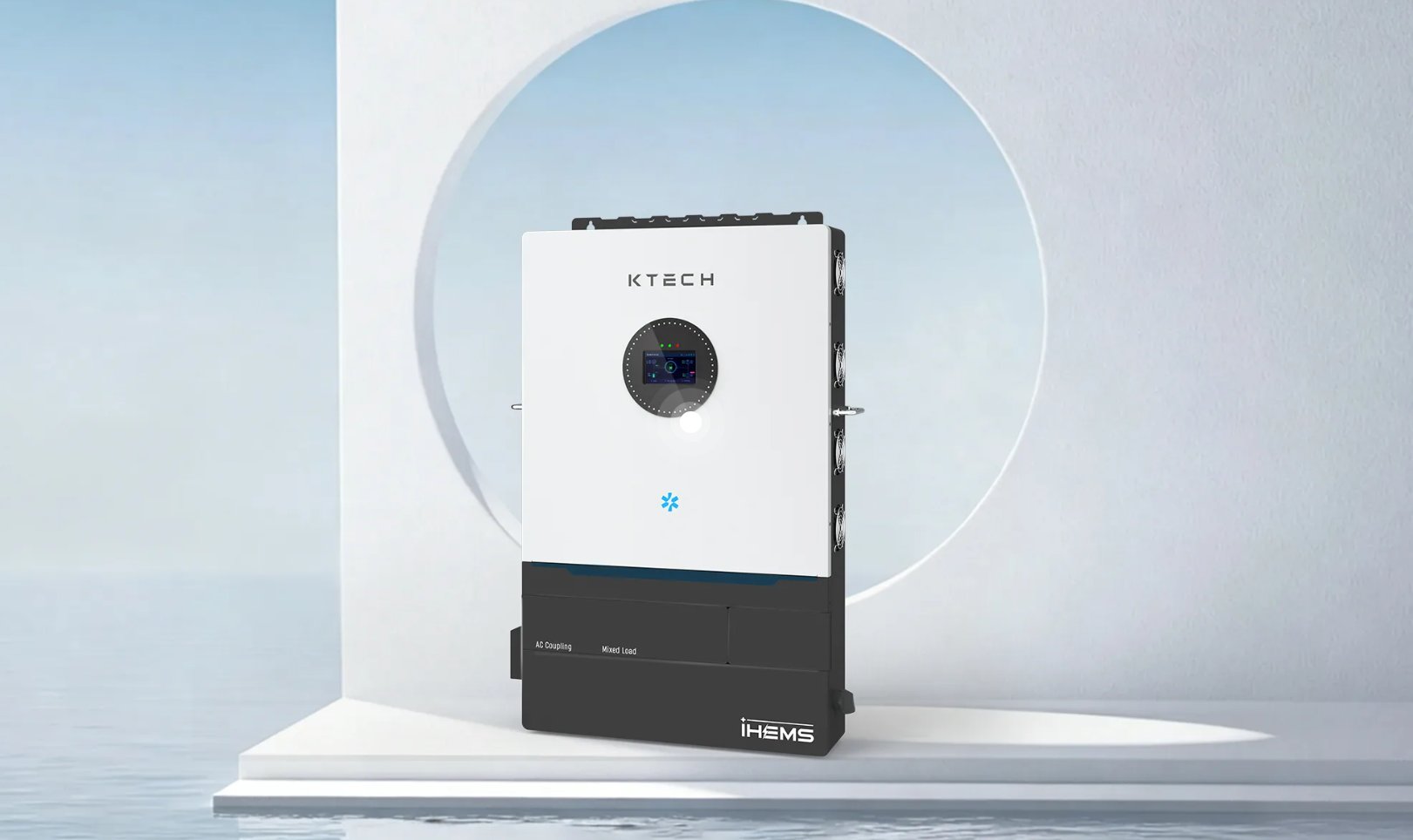
Each topology solves the same electrical problem with distinct compromises.- String inverters: lower initial cost per kW and simple maintenance; efficiency excels under uniform irradiance; vulnerability increases under mismatch or shading.- Central inverters: efficient at large scale and simpler thermal economies; single point of failure risk and higher replacement cost per unit.- Microinverters: module-level MPPT improves yield on uneven roofs and eases expansion; higher parts count raises maintenance complexity and upfront spend.- Hybrid (battery-ready) inverters: add cost and control complexity but reduce lifecycle risk where storage is expected.Compare expected site conditions to topology strengths. For a roof with mixed orientations and partial shading, microinverters or multi-MPPT string inverters usually outperform central units despite higher capital expense.
Reliability drivers and operational realities
Reliable performance follows from design that anticipates environmental and electrical stress.- Thermal margins: specify inverter models with conservative derating and documented thermal testing; passive cooling without adequate margin shortens life.- Over-voltage and transient suppression: robust surge protection and EMC filtering reduce electronics stress during storms or grid switching events.- Firmware update strategy and modularity: ease of field service matters; firmware that can be updated remotely and modular power stages lower downtime.- Service network and warranty terms: longer warranty and local service presence materially reduce lifecycle cost.Operational reality observed in Dubai showed that units with conservative thermal design and active cooling sustained higher annual availability under high ambient temperatures and dust exposure.
Cost analysis: purchase price versus lifetime value
Cost is not a single number; it is a stream: purchase, installation, losses, maintenance, replacement, and salvage. When comparing models:- Calculate initial capital plus installation for comparable AC coupling and protection;- Add expected annual energy loss due to inverter efficiency and MPPT mismatch;- Add mean time to failure assumptions and repair turnaround; include lost production during downtime;- Consider warranty inclusions, and whether firmware, monitoring, or spare modules are in scope.A lower purchase price often hides higher lifecycle cost where efficiency is low at typical operating points or where repair logistics are weak.
System integration and the phrase that matters: ‘right-sizing’
Right-sizing is a design decision with measurable consequences. Oversizing array-to-inverter ratio increases energy harvest in low-light but can throttle at peaks; undersizing reduces clipped energy but may lower capacity factor. Integration choices—string length, fusing, DC isolators, and monitoring—affect both safety and performance. When evaluating a proposed layout, insist on seeing modeled energy yield under realistic irradiance profiles rather than nominal peak figures. A holistic view treats the inverter as part of a solar inverter system, not an isolated box.
Common selection mistakes and how comparisons prevent them
Practitioners repeat a few mistakes that comparative analysis eliminates:- Choosing by peak efficiency only; ignore efficiency curve at typical load and temperature;- Overlooking firmware and grid-code compatibility for the installation region;- Discounting service logistics and spare-part lead time;- Failing to compare MPPT behavior under expected mismatch.A short checklist helps: expected ambient conditions; shading and orientation complexity; planned storage integration; available local service; and documented efficiency at operating points. Use these items to rank candidates rather than relying on brand reputation alone.
Conclusion: comparative judgment that leads to durable value
Comparative insight converts technical axes into procurement decisions: semiconductor choices affect efficiency and thermal requirements; MPPT topology governs yield under mismatch; topology choice balances single-point risk against per-module complexity; lifecycle cost trumps headline price. The most defensible selections rest on measured operating profiles, an understanding of site stresses, and clarity about service support. Practitioners who compare these factors consistently arrive at robust solutions—practical outcomes that the engineering community respects and that organizations such as Ktech can align with when offering systems and support.