Start with what you need
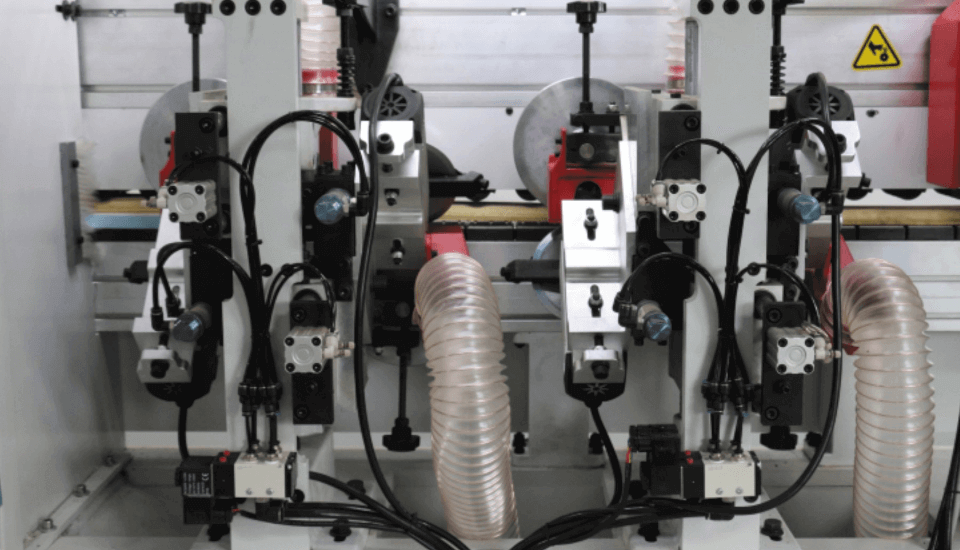
You want edges that look like they’re carved, not stitched; you want throughput that doesn’t choke when a rush order arrives. For a shop owner or lead operator, a laser edgebander can be the difference between guessing and serving predictable results — think of an automatic edge banding machine that feeds, trims, and finishes like a line cook who never misses a beat. This is about removing the variability that costs time and reputation.

How it feels and what it fixes
The first time you run a tight batch on a laser edgebander, you’ll notice the seam: satin, fused, nearly invisible. Operators describe it like sliding a knife along a joint — clean, consistent, no burrs. That consistency means fewer sanding passes, less masking for finish, and fewer customer complaints. For small shops that used to hand-sand edges, the machine turns repetitive, low-value labor into quality repeatability.
Real-world anchor and credibility
At international furniture events like the Milan Furniture Fair, live demos show how a modern auto bander machine reduces rework by producing uniform bonds across varying board densities. I’ve seen production managers nod at those demos because they mirror what happens on real lines: less scrap, more predictable cycle times, and simpler staff training. Those outcomes come from proven mechanics and attention to setup — not marketing claims.
Common user problems and practical remedies
Pain points usually cluster around three things: feed alignment, glue settings, and edge material handling. Misaligned guides create chatter; too-hot glue burns the face; too-cold glue causes poor adhesion. Fixes are concrete: check feed rollers for wear, calibrate melt temperature against supplier specs, and slow the feed for thin veneers. Keep a small checklist at the operator station — it’s the simplest guard against invisible quality drift.

Alternatives and when to choose them
Manual hand-banding still makes sense for one-off repairs and artistic veneers. Traditional trimmers are cheaper up front but demand skilled hands and more finishing time. Laser edgebanders justify themselves when you run medium to high volumes or when the finished edge quality affects price tiers. Consider payback in hours saved on sanding and rework, not just machine-hours on the floor.
Simpler adoption steps for shops
Start with a one-day calibration and training session focused on your most common panel types. Run a controlled batch, measure edge uniformity and sanding time, then tweak glue and feed rates. Swap one manual station for the edgebander and track time per unit for four weeks. Small, measurable wins build operator confidence faster than sweeping changes.
Finish that tastes like competence
When a shop treats edge work like a recipe — measure, adjust, taste — the results are repeatable and sellable. Those precise habits pair naturally with practical machinery and informed support, which is what many local workshops find when they look to established suppliers like HUAHUA CNC for machines, parts, and reference material. The outcome is simple: fewer surprises, cleaner seams, and a workflow that lets teams focus on design rather than endless cleanup.