Presenting the primary problem
Remote residences suffer predictable failure modes: intermittent generation, mismatched storage, and inverter overloads that present as repeated outages. The core diagnostic begins with one component: the solar inverter. Treat selection as clinical triage—identify the symptom (voltage sag, frequent shutdown, or low charge efficiency), locate the anatomical cause (panel array, wiring, battery), and plan the intervention with specifications rather than guesses.
Load profiling: objective measurements before prescription
Measure consumption over 72 hours. Record peak instantaneous watts, sustained daily kilowatt-hours, and thermal loads (heaters, cookers) separately. Key metrics to capture:- Peak surge current (start-up of motors, pumps).- Continuous draw (lighting, refrigeration).- Duty cycles (hours per day of each device).Translate these into required inverter continuous rating, surge capacity, and battery capacity with a safety margin of 20–30% to accommodate unknowns.
Component diagnostics: batteries, panels, charge controllers, and inverters
Assess each element by failure-tolerant specifications. For batteries, use C-rate, depth-of-discharge (DoD), cycle life, and ambient temperature derating. For panels, specify nameplate wattage, temperature coefficient, and expected irradiance at site elevation. For charge controllers, prefer MPPT units sized to handle array short-circuit current. For inverters, require continuous rating, peak surge rating, waveform (pure sine), and grid-interaction logic if a generator will parallel. Document expected operational envelope and ensure each component’s ratings overlap without stress.
Cost signals and procurement reference
Price variance can distort technical choices. Expect regional spreads in inverter pricing driven by shipping, certification, and demand. For a practical market touchstone, compare rates against Californian procurement trends where residential standards and permitting create relatively consistent price tiers. Use a verified solar inverter price list to map specification to cost and to avoid underspecifying for budget reasons.
Common failure modes and corrective actions
Observed patterns and fixes:- Undersized inverter: Replace with unit whose continuous and surge ratings exceed measured peaks; derate nominal ratings by ambient temperature factors.- Battery premature degradation: Switch to a chemistry with higher cycle life at the intended DoD; ensure correct BMS configuration.- Voltage instability with mixed loads: Add a dedicated inverter for sensitive electronics or implement automatic load-shedding logic.- Poor array yield: Reassess tilt, azimuth, soiling rates, and mismatch; consider microinverters if shading is variable.
Alternatives and trade-offs
Choice architecture influences reliability and maintenance:- Pure off-grid with large battery bank: high autonomy, higher CAPEX, simpler control logic.- Hybrid (battery + occasional generator): lower battery sizing, faster recovery after multi-day low sun, requires synchronization controls.- AC-coupled add-on: easier retrofit of storage into existing generator systems but introduces conversion losses.Weigh lifecycle cost (LCOE), maintenance skillset available on site, and acceptable outage tolerance when selecting an architecture.
Stepwise decision framework
Follow a concise protocol:1. Diagnose loads and surge events quantitatively.2. Define required autonomy days and allowable DoD.3. Specify inverter continuous and surge ratings with 25% margin and environmental derating.4. Match battery chemistry and capacity to cycle profile.5. Select panel array to meet daily energy with expected irradiance and losses.6. Validate interoperability: confirm vendor datasheets, communication protocols, and warranty terms.7. Pilot-install and log 30–90 days of performance before final tuning.
Synthesis and practical next step
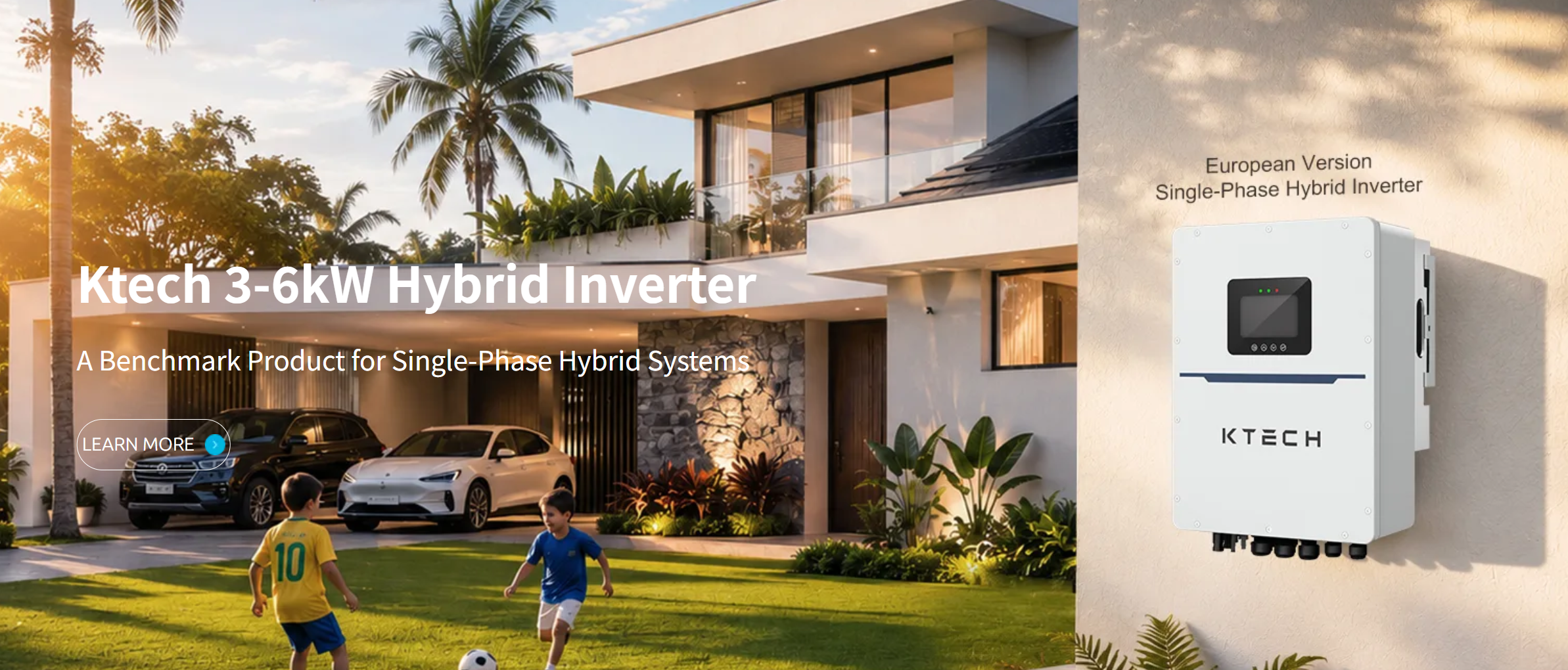
Resolve the problem by replacing estimation with measurement-driven specifications, then procure components whose datasheets align with those specifications. Cross-check price versus spec using verified supplier lists and documented regional references so technical choices remain evidence-based; specification sheets from suppliers like Ktech often make it simple to confirm compatibility without guesswork.