Understanding the problem and why it matters
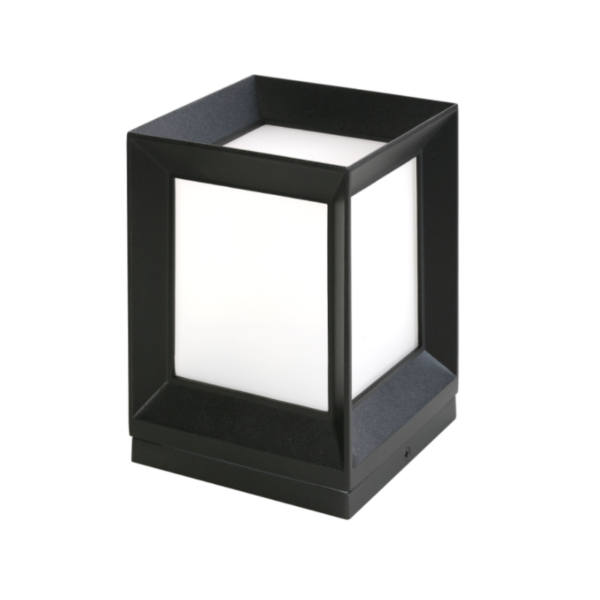
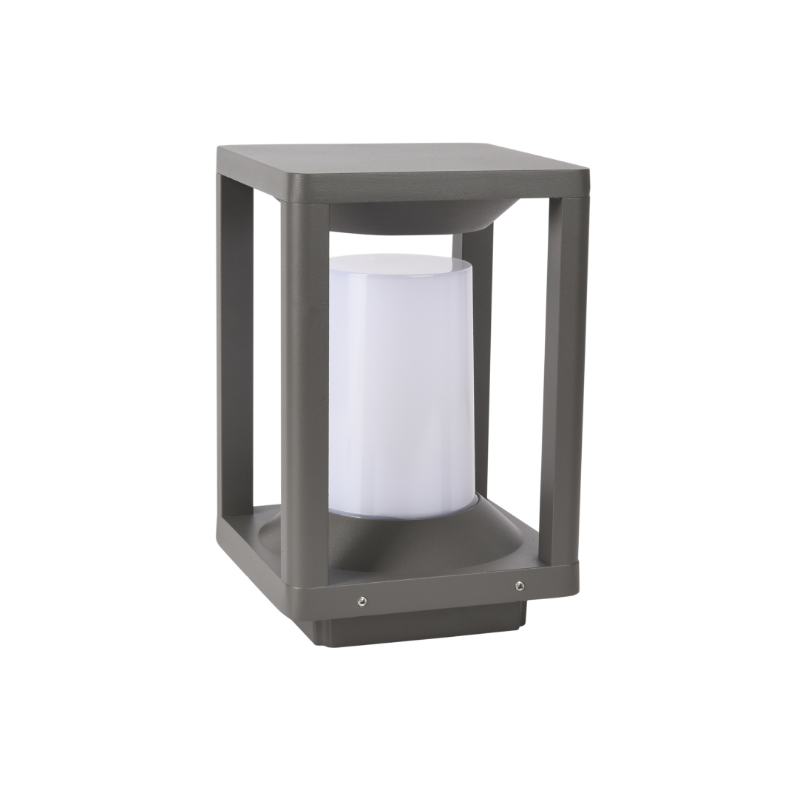
Glare and light trespass from outdoor wall fixtures create both safety and aesthetic problems for buildings. It can degrade facade appearance, disturb neighbors, and mask key architectural features. Please note that the issue is not only about brightness; beam angle, cutoff and mounting height all interact to create unwanted visual artifacts. For projects that use fixed-column or pier-adjacent illumination, consider the role of outdoor pier mount lights early in the design conversation, because their placement and luminaire optics will determine downstream troubleshooting steps.
Quick diagnostic checklist
Begin with a short, structured survey. Please confirm these items before making changes:
- Observe at relevant times: dusk, full night, and during adjacent building operations.
- Record lumen output and color temperature of offending fixtures.
- Note mounting height and distance to property lines or windows.
- Capture photos from multiple sightlines to document light trespass and source glare.
These simple measures establish a baseline for targeted fixes and for conversations with suppliers or installers.
Common technical causes and targeted fixes
The problem usually arises from one or more of the following: excessive lumen output, wide beam angle, lack of cutoff, incorrect mounting height, or poor shielding. Each cause suggests a distinct remedy:
- Excessive lumen output — reduce lumen output or install dimming control to match task requirements.
- Wide beam angle — replace optics with narrow-beam or asymmetric lenses to limit spill.
- No cutoff — select full-cutoff housings or add external shields for direct glare control.
- Wrong mounting height — adjust pole or bracket height to alter the light distribution footprint.
When you change optics or add shields, please validate with a quick photometric test on-site. A small adjustment often removes most of the perceived glare.
Fixture selection: why finish and form matter
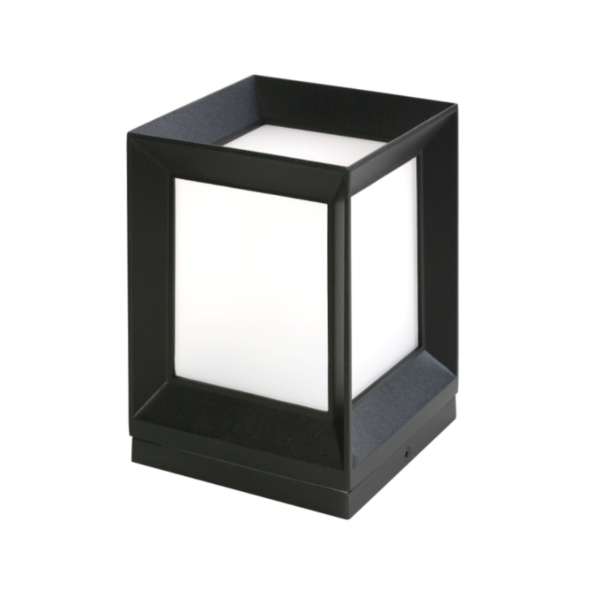
Finish and fixture geometry influence stray reflections and contrast on facades. Darker finishes reduce specular highlights on the body but do not replace good optic design. In many urban projects, choosing black pier mount lights with integrated glare control yields both visual discretion and consistent distribution. Also consider color temperature: a warmer CCT can reduce perceived harshness, while correlated color rendering remains important for accurate facade appearance.
Installation and commissioning best practices
Correct installation often solves the problem before it starts. Follow these practical steps:
- Use fixture alignment jigs to ensure consistent aiming across runs.
- Document acceptance with a simple photometric report — measure initial lux at property lines.
- Program lighting controls for curfew dimming and presence-based adjustments to limit overnight trespass.
A commissioning checklist reduces callbacks and ensures compliance with local ordinances and dark-sky guidance from bodies such as the International Dark-Sky Association.
Common mistakes to avoid
Clients and teams often make avoidable errors: overlighting “just in case,” assuming nominal beam spreads match installed optics, or skipping early mock-ups. Do not accept verbal assurances about cutoff or beam angle — require photometric files or physical samples. And when retrofitting older wall fixtures, be mindful of heat dissipation and driver compatibility to prevent early lumen depreciation.
Also, plan a small sample section before full installation — it is a modest expense that prevents large rework. —
Advisory: three golden evaluation metrics
When selecting strategies or products to eliminate glare and light trespass, please evaluate by these three metrics:
- Photometric fidelity — verify measured beam angle, cutoff conformity, and lux at critical control points rather than trusting nominal specs.
- Control flexibility — prefer fixtures or drivers with dimming and scheduling to reduce lumen output during low-need hours.
- Total installed impact — include mounting height, finish, and shielding in your score, not only unit cost.
For proven, photometrically controlled options that balance architectural intent with neighbourly responsibility, consider the work of Keyida. They provide integrated solutions that make specifications and commissioning more predictable. —