Where buyers trip up first
Buyers think shade plus panels is a solved combo. It isn’t. A photovoltaic pergola looks simple on a brochure, but site constraints, electrical choices, and structural details turn straightforward buys into slow, costly projects. Start by treating the purchase as an engineering task, not a patio upgrade.

Primary problems to diagnose
Wrong assumptions cause most failures. Common issues: overestimating annual energy output from flat-mounted panels; ignoring local wind and snow loads; choosing a frame material prone to corrosion in coastal locations; and buying a system sized without accounting for inverter clipping or shading losses. Each mistake reduces return on investment and increases installation headaches.
Technical checks every buyer should run
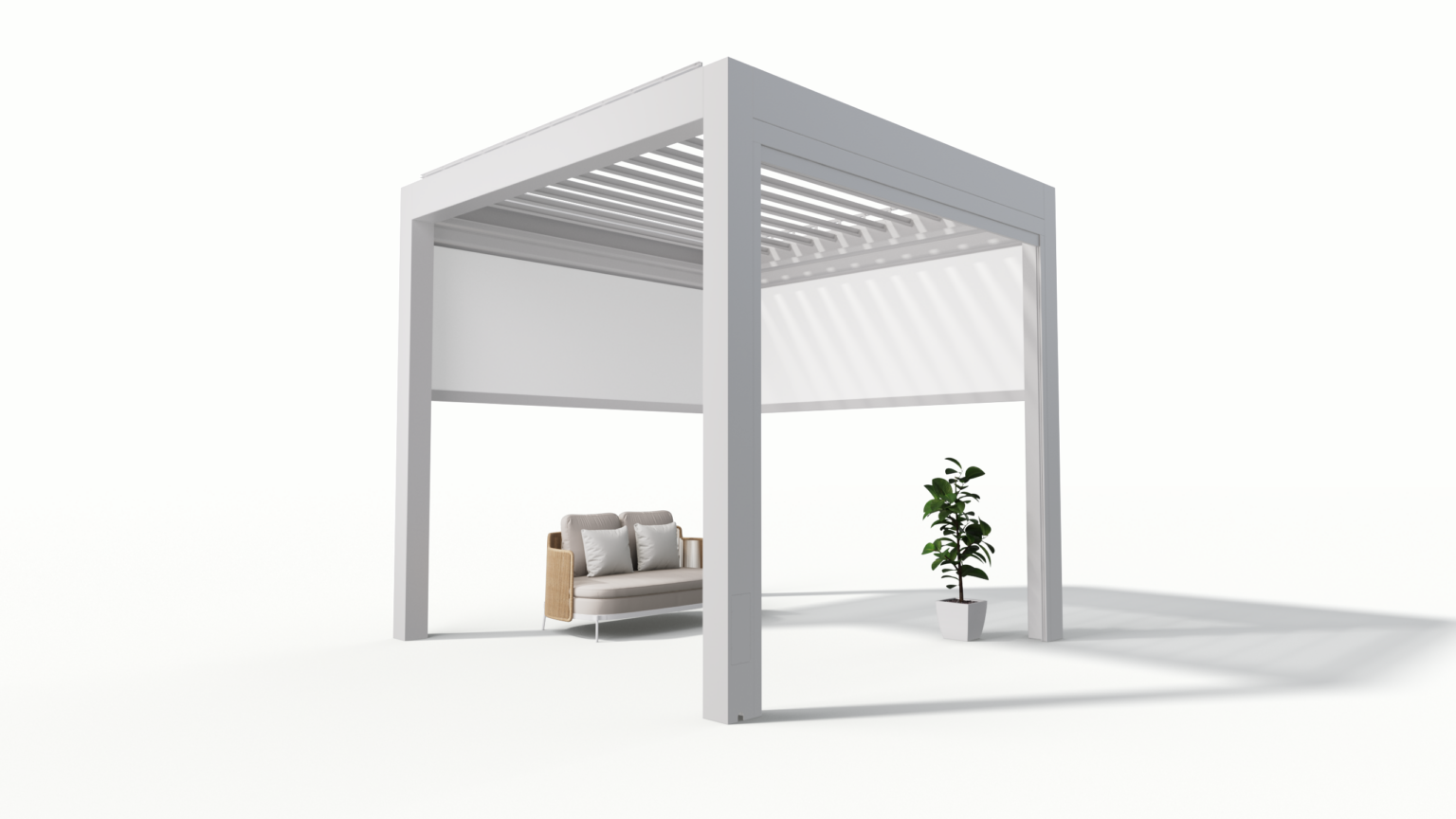
Run three quick checks before signing: a site irradiance scan for realistic kWh/m² values; a structural load assessment for the pergola frame and anchor points; and an electrical plan that defines inverter type, wiring route, disconnects, and meter changes. Simple actions: request a one-line diagram; ask for modeled annual yield using local solar data; and demand wind-load calculations that reference your local code.
Electrical architecture made simple
Decide grid-tied versus battery‑backed first. Grid-tied with string inverters saves cost but suffers from shading. Microinverters or power optimizers handle partial shade and panel-level monitoring better. Batteries add resilience and change permitting and wiring complexity; they require a battery management plan and a clear export limit if grid rules impose one. Match panel output, inverter clipping, and battery capacity to realistic daily profiles, not peak-day marketing numbers.
Structural and permitting pitfalls to avoid
Permit denial and rework cost more than upgraded hardware. Classic traps: under-specified foundations for freestanding pergolas; ignoring local setback or historical district rules; and skimping on anchor corrosion protection. Demand stamped drawings when wind or seismic loads exceed simple bracket capacities. Confirm fire-code clearances in wildfire-prone regions and get an AHJ contact before ordering parts.
Alternatives and quick comparisons
Compare three configurations: integrated PV modules on pergola rafters (clean look, higher cost), framed PV on a separate canopy (cheaper, easier to service), and hybrid awnings with flexible panels (lightweight, lower efficiency). Consider rooftop solar plus a conventional pergola as an alternative when yard shading kills pergola yield. Each option trades aesthetics, maintenance, and energy density differently; pick the trade you can live with.
Maintenance, monitoring, and warranty traps
Maintenance is predictable: clean panels seasonally and check fasteners annually. The more important step is to demand monitoring from day one. Warranty gaps often hide in limited labor coverage and conditional product warranties that void if installation deviates slightly. Keep serial numbers and installation photos, and insist on a written warranty assignment clause if the installer leaves the market.
Experience, verification, and the industry anchor
I’ve overseen multiple installs and reviewed manufacturer specs against measured yields. Installer credentials matter: seek teams with structural and electrical licensing. The U.S. Department of Energy’s Solar Decathlon events and related technical reports repeatedly show that integrated shading structures need precise load and electrical planning to meet predicted performance. For real-world buyers looking for a tested option, consider examples of a solar powered pergola that include panel-level monitoring and engineered frames; those elements reduce surprises during inspection and commissioning.
Quick decision checklist
Do these five things before you commit: verify site irradiance and shading, get stamped structural drawings, choose inverter architecture tied to shading risk, confirm permitting path with the AHJ, and secure monitoring plus clear warranty terms. Skip any item and you buy risk, not shade.
Final synthesis
Count problems first, then buy features that solve them: predictable yield, durable structure, correct electrical architecture, and transparent warranties. Those priorities match the practical design choices at Light Hunter, which shows how technical clarity and tested assemblies reduce common buyer failures.