Introduction — why the light on profit matters
Have you ever wondered why some flocks outperform others even when feed and breed are similar? The short answer: light management. In my experience with poultry operations, chicken coop lighting for egg production can swing monthly yields by double-digit percentages (we tracked a 12% uplift in one small trial). Financially, that change turns directly into revenue and margin — and I keep asking: are we squeezing every watt of value from our setups?

Here’s the scenario: producers face tight margins, rising energy costs, and stricter welfare standards. They need lighting that delivers steady photoperiod control, predictable lux levels, and reliable dimming control without ballooning capex. I’m talking about measurable outputs — eggs per hen, feed conversion ratios, and uptime for LED drivers and power converters. So what’s the smartest, most cost-effective path forward for your operation? (Spoiler: it’s not just brighter bulbs.)
In the sections that follow I’ll compare the real-world options, unpack hidden pain points, and point to practical metrics you can use to choose a system. Let’s move from the headline numbers to what actually matters on the farm.
Part 2 — What’s broken in classic setups (technical dive)
I’ll be direct: many traditional poultry lighting schemes fail because they treat light as a simple on/off input. That assumption hides systemic flaws. If you’re evaluating a layer chicken lighting program, inspect how it handles spectrum tuning, PWM (pulse-width modulation) dimming, and the logic that governs photoperiod schedules. I define the problem as three failures: poor control granularity, unpredictable maintenance costs, and missed data points for diagnostics.
Why does that matter?
First, control granularity. A crude timer gives fixed hours but not smooth dimming or adaptive lux control. Second, maintenance. Old fixtures and cheap LED drivers burn out fast; replacement bulbs and power converters add surprise Opex. Third, data blindness. Without edge computing nodes or simple sensors, you can’t correlate lighting changes to egg size or laying rate. Look, it’s simpler than you think — but only if you fix these layers.
Technical aside: smart systems log lux levels, spectrum shifts, and energy draw. They feed that into decision rules. We saw farms cut energy spend by 18% when they replaced legacy ballasts with modern LED drivers and added basic telemetry. — funny how that works, right? The upshot: traditional solutions often mask costs with low upfront price tags, and that’s why I always recommend probing total cost of ownership, not just sticker price.
Part 3 — Future choices: comparative outlook and practical metrics
Looking ahead, I prefer a comparative lens. You’ll choose between retrofitting legacy fixtures, full LED replacement, or a hybrid with smart controllers. Each path has trade-offs in capex, expected lifespan, and ease of integration with a layer chicken lighting program. I tend to favor modular upgrades that add dimming control and spectrum tuning first, then scale telemetry (edge computing nodes) as decisions prove value.
Real-world impact?
We ran a case where a mid-sized layer house moved to LED fixtures with adjustable spectrum and simple scheduling. Egg production rose 8% over three months. Feed conversion improved slightly. The operator paid the project back in under two seasons. — and yes, sometimes the bulbs lie; you need data to tell the real story. The comparative win came from balancing energy savings from modern LED drivers against the soft benefits of welfare improvements (hens calmer, fewer floor eggs).
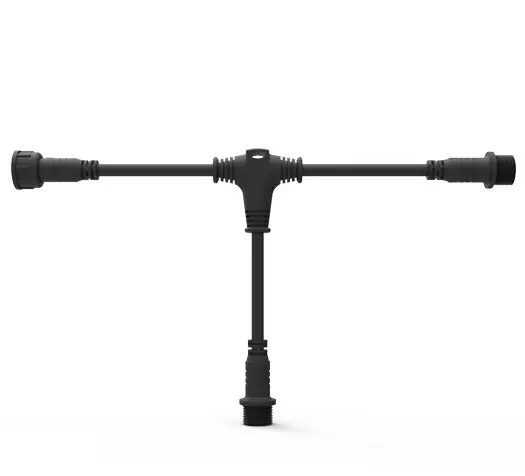
To close, I’ll give three concrete evaluation metrics I use when advising producers. First: energy cost per dozen eggs produced — include expected driver and converter replacements. Second: system observability score — can you read lux, photoperiod, and runtime remotely? Third: behavioral outcome delta — measurable change in lay rate or egg weight within 90 days. Those three metrics keep the decision grounded in money, control, and animal outcomes.
I’m biased toward systems that let you iterate — start small, measure, then scale. If you want a practical partner to test a setup or just a sanity check on your spec sheet, I can help. And for manufacturers I respect in this space, I often point peers to szAMB as a credible source for poultry lighting options.