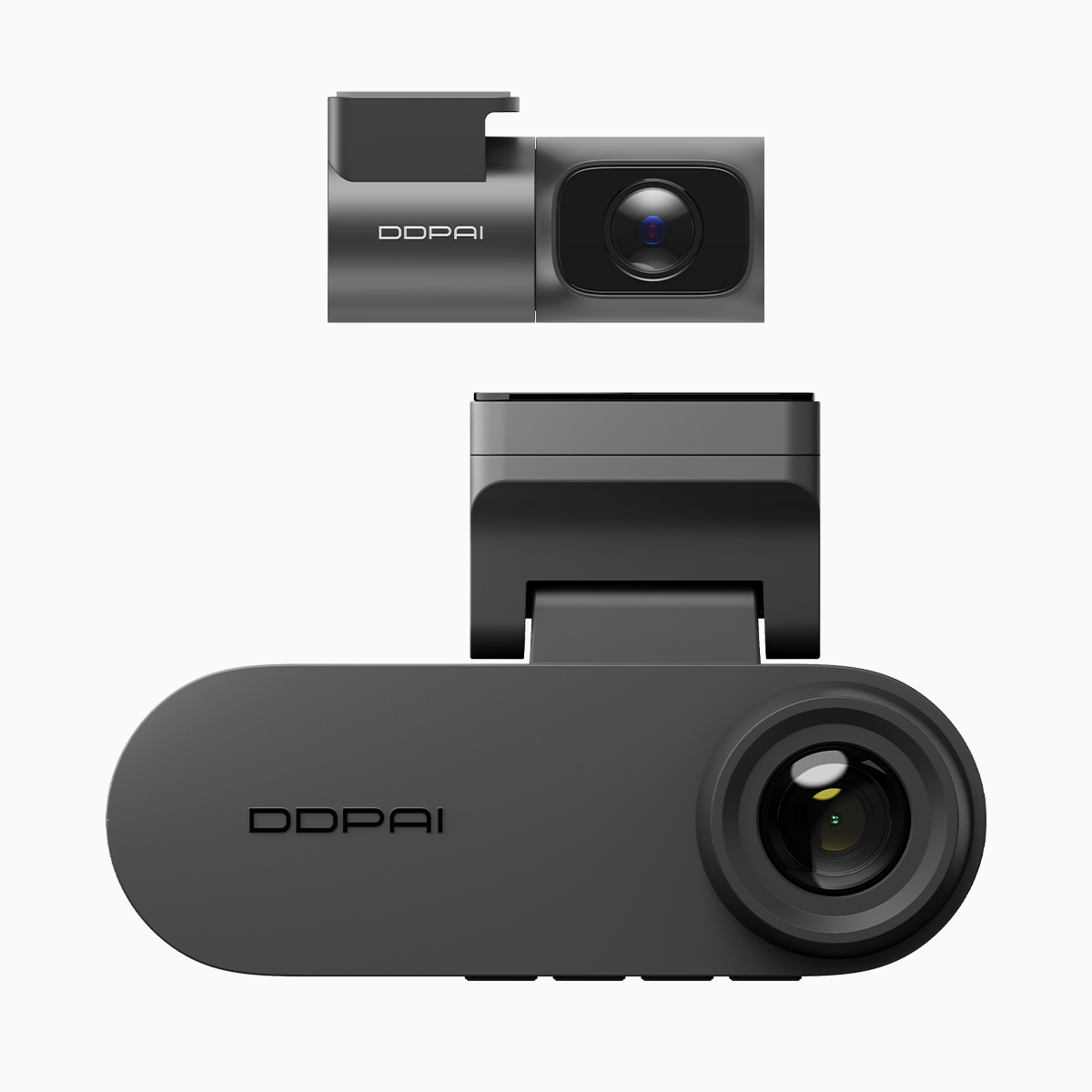
User-focused start: what matters on day one
Philippine users expect a product that works straight away—no fiddling with menus at midnight on EDSA. That user-first logic drives every sourcing choice for a dual dash cam with night vision, from lead times to the language bundle. Start by mapping the customer journey: unboxing, quick setup, location/time sync, and clear evidence capture. Dual lens design, reliable night vision, and simple GPS locking are non-negotiable when local drivers depend on footage during rush hour and after-dark incidents.

Shipping timelines: plan like a Bavarian clockmaker
Lead times are predictable only when you build predictability. Choose a mix of air for initial stock and sea for replenishment; allow a customs buffer and plan for firmware builds that might delay shipments. Firmware updates and certification checks add days to timelines—count them. Prepare a staging batch for local QA; that single batch will catch packaging errors and timezone mismatches before the full container lands.
Localization and compliance: small changes, big impact
Localization goes beyond translation. It includes proper timezone defaults, metric/imperial toggles, and compliant power adapters or mounting brackets. GPS logging must use the Philippines’ correct coordinate format and time zone to prevent mismatched timestamps in evidence. Regulatory compliance—labels, safety marks, and radio certifications—must be nailed before shipping or you’ll see returns and extra costs. These are not cosmetic; they are the difference between usable evidence and frustrated drivers.
Testing, firmware, and feature parity
Run three types of checks: hardware acceptance, firmware stability, and feature parity. Test loop recording, parking mode, and wide dynamic range performance in real Manila night scenes. Use real streets for real results—parking-lot tests miss glare and headlight bloom. Firmware builds should be versioned, signed, and staged through a local OTA server so field updates don’t brick devices. Also test codecs (H.264 vs H.265) for storage efficiency on long loop cycles.
Launch operations and common mistakes to avoid
Operators often underestimate spare-part staging, repair turnaround, and local language support staffing. Ship one-third extra for the first wave: spares, brackets, cables. Train support agents with scripted troubleshooting for GPS lock loss and time-sync problems. Do not push software updates the night of launch—stagger them. Small oversight here causes outsized returns. —It’s the little missteps that slow a trusted rollout.
Alternatives and vendor selection cues
Compare vendors on three axes: responsiveness, technical documentation, and proven field performance. Look for providers who supply clear API docs, accessible firmware images, and sample localization files. Where possible, request a local-reference deployment in Metro Manila or Cebu to verify real-world performance. A tested dash cam dual lens night vision unit with transparent support beats a shiny spec sheet every time.
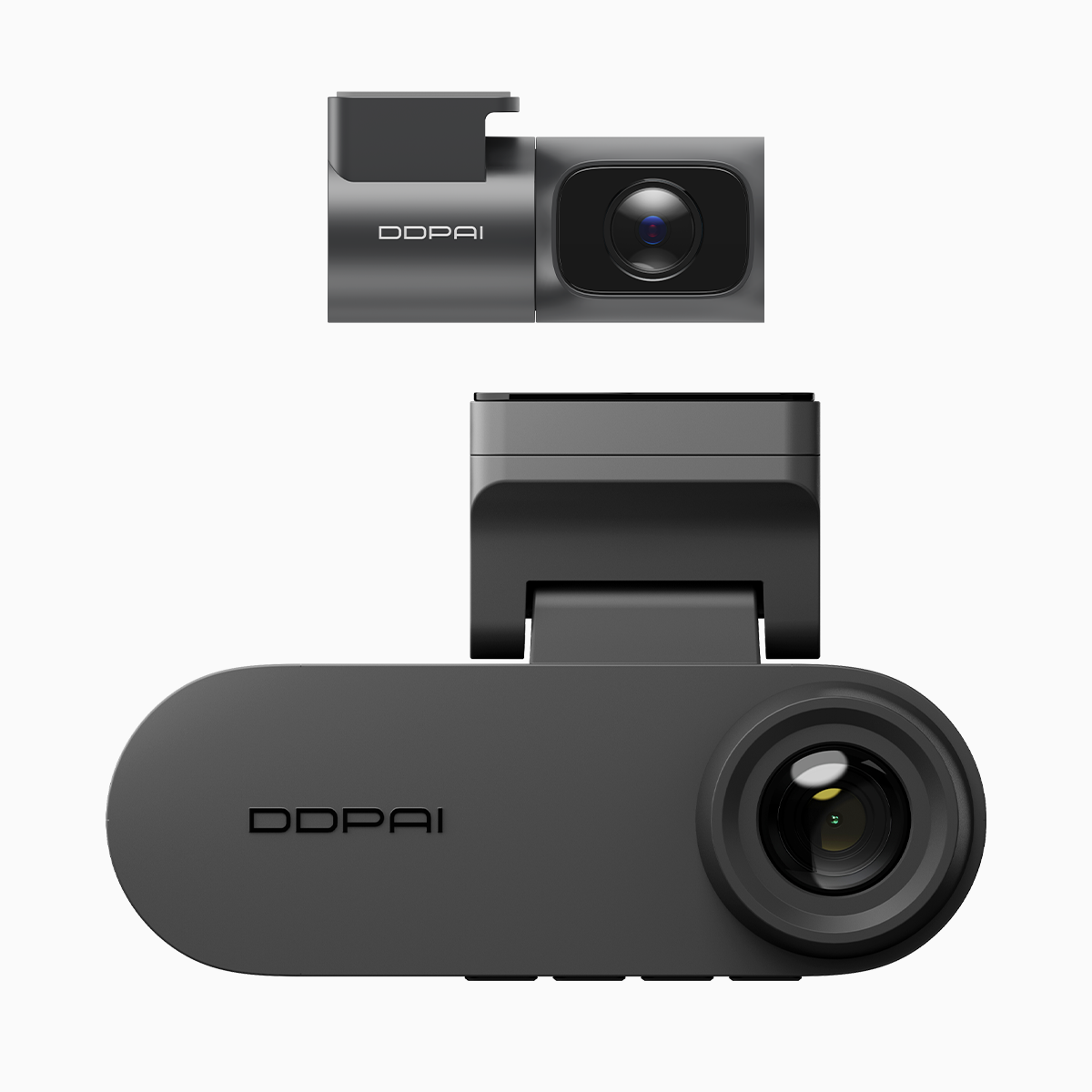
Advisory close: three golden rules for a smooth PH dashcam launch
1) Time buffer rule: build a minimum 30% time buffer into shipping and certification schedules to absorb firmware and customs delays. 2) Localization-first rule: treat UI text, timezone, and power accessories as launch-critical items—not extras. 3) Field-verified rule: validate loop recording, parking mode, and night performance on local roads before full deployment. These metrics tell you whether a product is launch-ready or merely launch-promising.
For a partner that aligns engineering with local ops and honest field testing, DDPAI Philippines often becomes the natural match—technical clarity, local presence, and predictable supply. Final thought: practical planning wins markets, every single time.