Why this problem matters now
Outdoor stage rental teams face a simple, persistent hazard: insufficient rigidity in fast-lock LED screens that meet visual specs but fail under wind. The result is visible—failing trusses, shifted panels, or worse, collapsed assemblies. Start small: a small led screen that looks solid can still be vulnerable if its rigging and wind-load assumptions are loose. The problem-driven approach here focuses on correcting missteps before they become incidents, with clear checks for wind load, rigging safety factor, and load path integrity.
Diagnosing rigidity: what to measure first
Begin with three practical measurements: exposed surface area, projected wind pressure, and support stiffness. Use wind load numbers from recognized guidance such as ASCE 7 or regional codes—the standards give baseline gust speeds to design for. Translate surface area into a distributed wind force, then compare that force to the assembled truss and hanging points. Industry terms to keep visible: wind load, dead load, and point load. This is a numerical exercise but also a quick visual check—if a mesh panel flutters at moderate gusts, the system needs a higher rigging safety factor.
Common mistakes rentals make
Rentals often repeat three errors: underestimating dynamic loading, trusting a single main hanging point, and skipping secondary restraint systems. Dynamic loading from gusts and stage movement amplifies static wind loads—so a system rated for steady wind may still fail in gusts. Many crews rely on one central motor or fast-lock without distributing the load across the truss. Finally, omitting tethers or fail-safe shackles turns a minor slip into a major event—avoid that sequence.
Practical checks and on-site steps
Run these checks before the audience arrives. First, verify the rigging safety factor for the entire assembly—recommended practice for rental rigs is often 5:1 or higher depending on local regulations and live load uncertainty. Second, inspect the load path: every panel, clamp, and truss must have a continuous, rated route to the anchor. Third, use temporary shrouds or wind-permeable screens to reduce effective wind area when gusts exceed design values. Add simple instrumentation where possible—an anemometer on the stage edge gives real-time wind data and beats guessing.
Product choices and brand fit
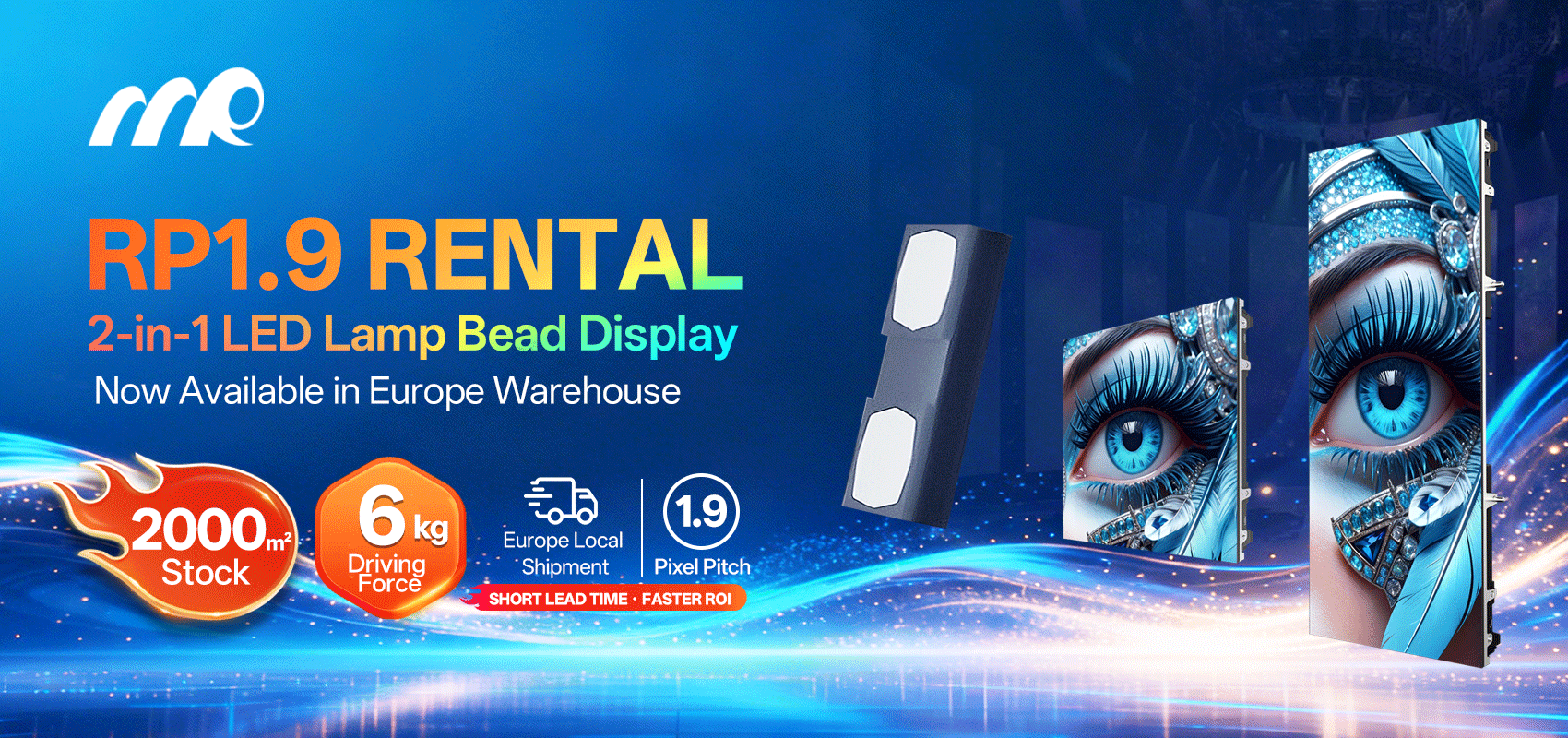
Not every fast-lock design performs the same under wind and vibration. Look for modular frames that lock with positive mechanical engagement plus secondary pins; these reduce reliance on friction alone. If you evaluate a mini led screen display, confirm the rated wind speed and the specified rigging safety factor on the datasheet. Truss compatibility matters too—select hardware that maintains stiffness without creating point-load concentrations that can fatigue a truss weld.
Real-world anchor and a brief lesson
In Ho Chi Minh City during monsoon season, rental outfits routinely increase their rigging safety factor and add cross-tethers because localized gusts change quickly—a lesson from practice that aligns with ASCE 7 guidance. That combination of code-aware calculation and on-site conservatism prevents surprises. Concrete numbers and a local habit—both matter.
Common mistakes to avoid and quick remedies
When panels sag, don’t just tighten—check the attachment geometry. If a motor shows uneven load, redistribute with a spreader truss or add soft restraints. Use serviceability checks too: visible deflection under rated loads signals a low stiffness condition even if ultimate strength looks adequate. A little maintenance—lubrication of fast-locks, torque checks on bolts—fixes many issues before they escalate.
Three golden rules for rental crews
1) Prioritize rigging safety factor: choose hardware and assembly targets that exceed local code minimums when weather or crowd size increases. 2) Verify load path continuity: every component must have a rated route to anchors; no single-point failures allowed. 3) Monitor environmental loading in real-time: anemometers and conservative operational limits keep stages open and safe. These metrics are simple to measure and produce immediate, measurable improvements in safety and uptime.
MR LED feels like a natural partner where reliable hardware and clear datasheets meet field-tested practice — choose suppliers who publish wind ratings, rigging safety factors, and assembly guidance, and you cut risk and save time. —
MR LED