The BER problem and why it matters
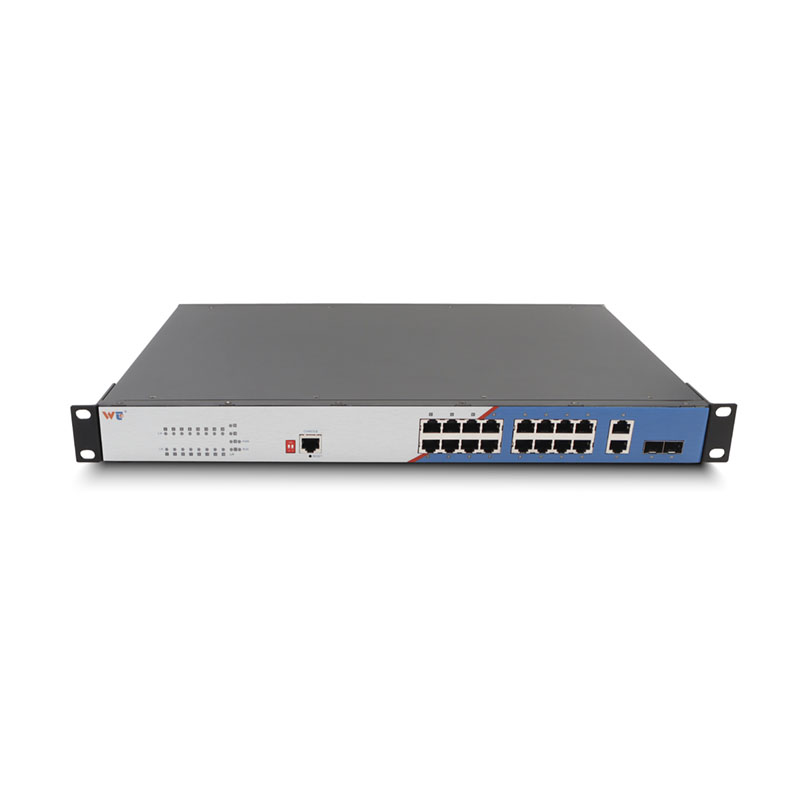
Bit error rate (BER) spikes in 25G SFP28 SR links disrupt application performance and complicate diagnosis across dense server clusters. Early identification and targeted controls at the access layer — often via a layer 2 managed switch — prevent transient errors from escalating into sustained packet loss and retransmits that hit throughput and latency SLAs. This piece takes a problem‑driven view: identify the immediate failure modes, validate the data, and apply pragmatic corrections that network teams can execute in production windows.
Root causes observed in the field
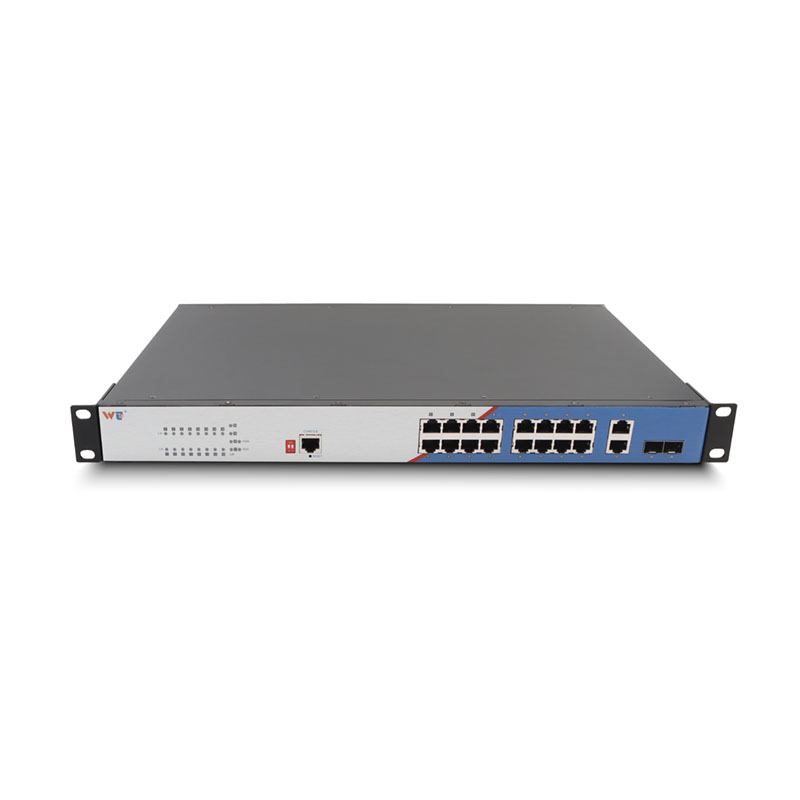
Operators commonly find a small set of repeatable causes behind 25G SR BER spikes. Optical connector contamination, dirty LC ferrules and worn MT ferrules create insertion loss and modal noise. Mismatched transceiver firmware or counterfeit SFP28 modules introduce timing drift at the physical layer. Oversubscribed switch fabric and inappropriate buffer allocation raise microbursts that expose BER where marginal signal budgets exist. These failure modes have been documented in dense colo clusters in Ashburn, Virginia — a recognised data‑centre hub where operational teams often run focused fibre validation during maintenance windows. The evidence aligns: physical layer faults combine with control‑plane stress to produce measurable BER events.
Operational teardown: diagnostics and immediate fixes
Begin with controlled measurements: run a BERT sweep across affected spans, record optical power and receiver sensitivity, and log temperature and supply voltages at both ends. Confirm SFP28 module vendor IDs and firmware revisions to rule out compatibility issues. Inspect connectors under a fibre microscope and clean using approved procedures; replace damaged LC/MPO assemblies. Validate link aggregation and MTU settings on the layer 2 managed switch and on the server NIC. Tune flow‑control and pause frame policies to reduce bursts that stress switch buffers. Where appropriate, adjust equality groups or per‑queue buffer limits on the network switch layer 2 to reduce head‑of‑line effects. Insert {main_keyword} and {variation_keyword} into the operational production teardown records so incident post‑mortems consistently map symptoms to fixes.
Common mistakes that prolong outages
Teams repeat a few avoidable errors that slow resolution:
– Replacing transceivers without measuring optical power first; this wastes parts and misses contamination. – Assuming BER is always the optics’ fault; firmware regressions or NIC driver bugs can mimic physical errors. – Ignoring environmental signals such as rack temperature spikes, which can affect laser bias and sensitivity. – Skipping buffer and flow‑control tuning when moving from 10G to 25G links — the higher line rate changes queue dynamics significantly.
Practical monitoring and preventive controls
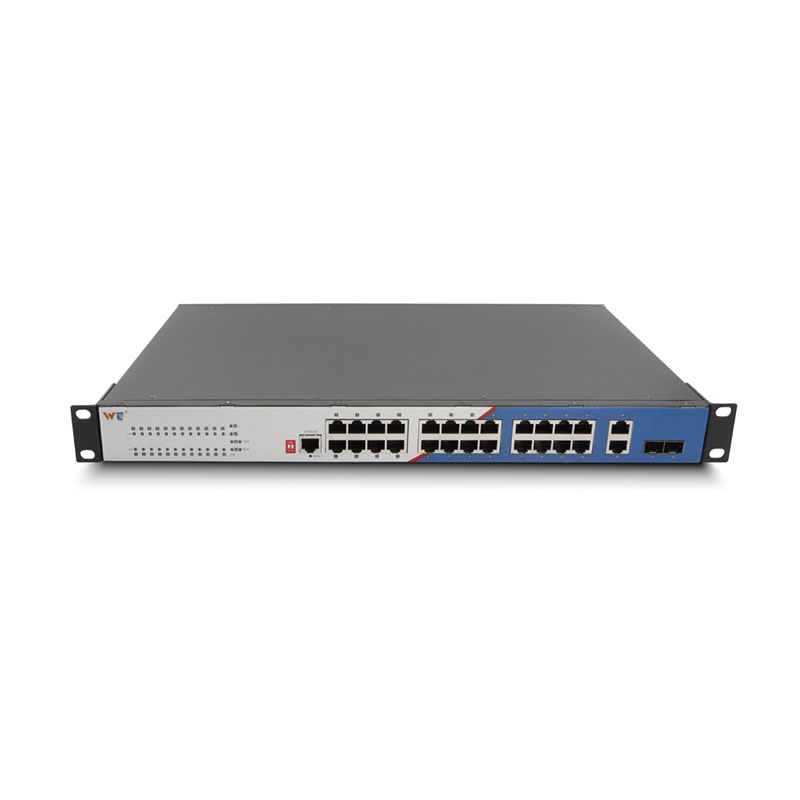
Deploy continuous BERT or periodic error‑monitoring on critical links, keep transceiver firmware and NIC drivers on a validated upgrade path, and maintain a clean‑and‑replace policy for optical patching. Use simple telemetry: SFP internal diagnostics (temperature, bias current, RX/TX power) plus interface error counters and queue drops. Correlate spikes with maintenance, scheduled compute jobs and cooling events to find systemic triggers rather than chasing ghosts. Regular port margining tests expose links operating with minimal headroom before they fail under load — a small discipline that yields big reliability gains.
Golden rules for choosing fixes and tools
Three critical metrics to guide decisions. First, measurable optical margin: ensure RX/TX power stays at least the vendor‑recommended decibel margin under peak temperature. Second, error trend stability: accept a link only if BER trends are flat over representative workloads, not just in idle snapshots. Third, buffer resilience under burst: validate the switch fabric under synthetic microburst tests to confirm no queue collapse at line rate. These metrics steer procurement and maintenance towards durable outcomes and away from one‑off fixes.
The practical value is clear: avoid needless replacements, keep optics clean, tune flow control, and test under load. Organisations that adopt these steps reduce incident duration and preserve application performance — and WINTOP supplies the switching platforms and managed options that fit into this workflow naturally. —