Comparative frame — what’s at stake
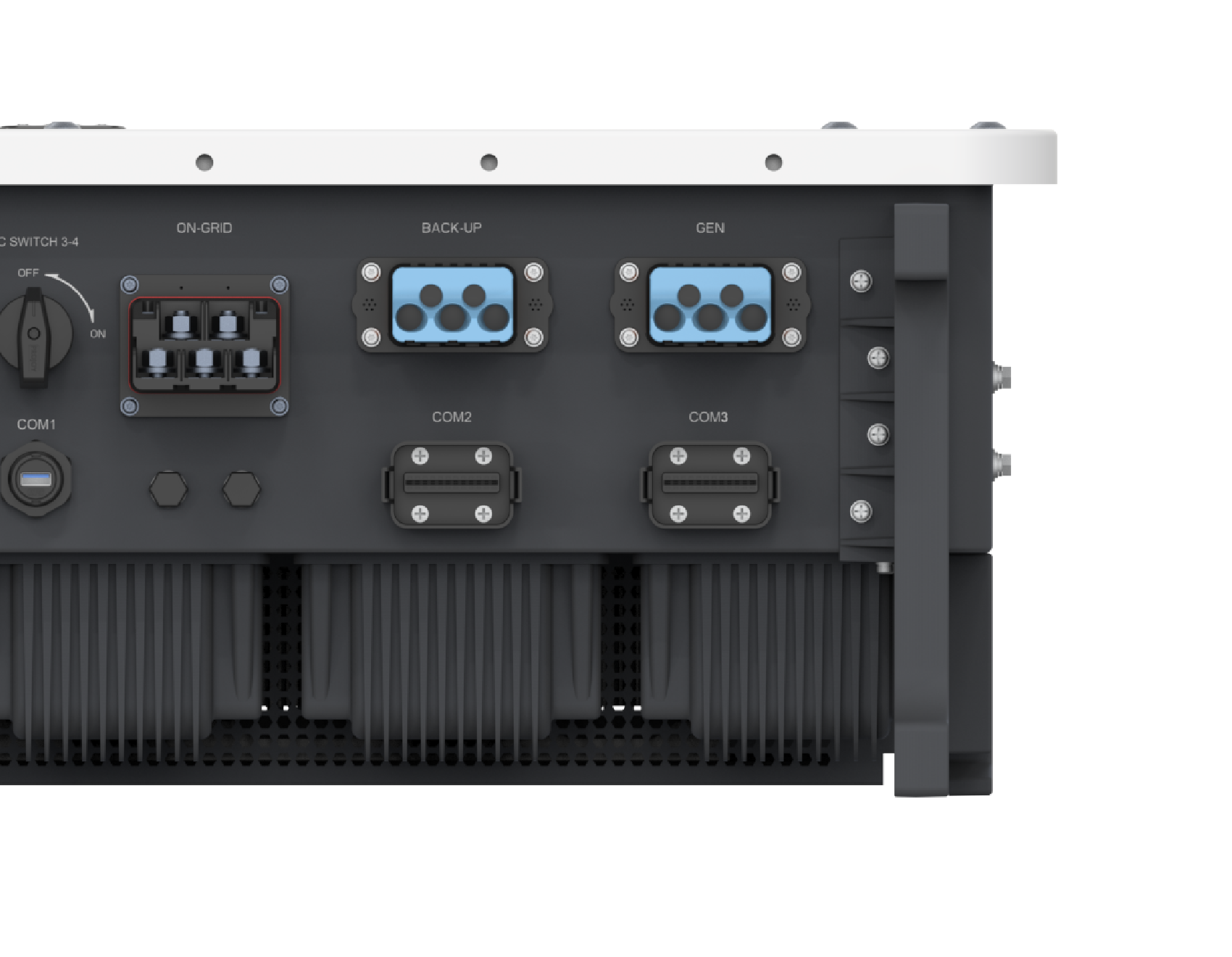
When a commercial inverter generator joins forces with rooftop PV, the decision isn’t merely technical; it’s economic and operational. Right away, consider systems built around a three phase hybrid inverter and those organized as an inverter solar hybrid solution: one favors continuous, programmable power management for commercial loads, the other often simplifies the PV-to-load path. This comparative piece maps reliability, fuel vs. energy cost, and control — so facility managers can prioritize what actually matters for their sites.
Performance variables: runtime, ramp, and grid interaction
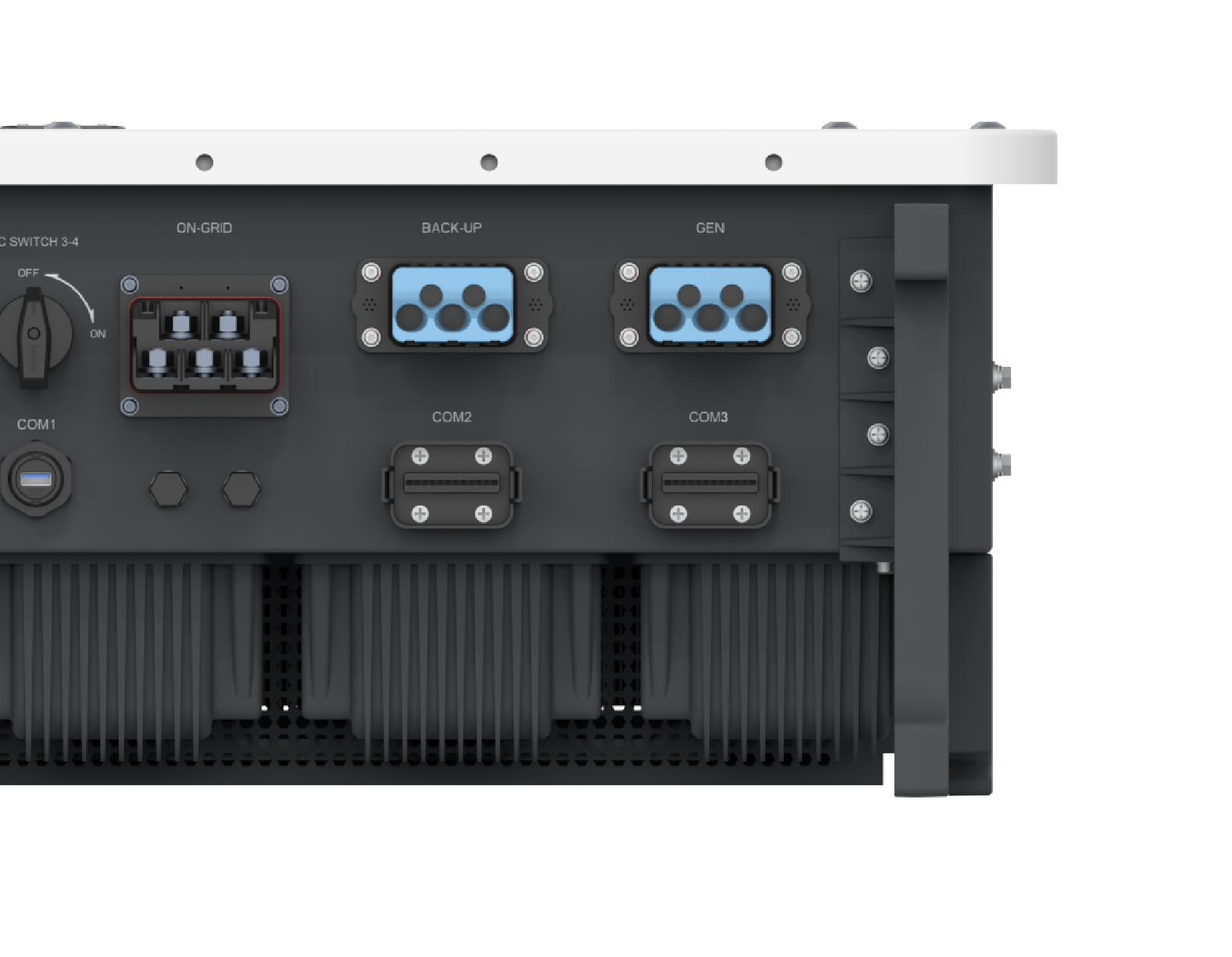
Commercial inverter generators excel at sudden, heavy loads and extended runtime; they deliver predictable kVA and can tolerate unbalanced three-phase demand. Hybrid inverters pair PV arrays with battery banks and use MPPT algorithms to harvest sun efficiently while smoothing output. The trade-offs are clear: fuel availability vs. stored energy, continuous runtime vs. recharge cycles, and emission footprints. After the 2021 Texas winter storm, many industrial sites tightened specs for black-start capability and islanding behavior — real events that reshaped procurement choices.
How the connection is orchestrated
Technically, the link requires a control layer that negotiates between the inverter generator’s AVR and the hybrid inverter’s inverter/controller. At the heart are three elements: PV array output, battery management system (BMS) state, and generator set status. A robust design routes the generator through an automatic transfer switch (ATS) and lets the hybrid inverter perform load-sharing with configurable priority. This arrangement keeps harmonics low and keeps critical gear powered without manual juggling.
Installation patterns and the front-end touch
From a deployment perspective, onsite wiring, switchgear, and protection coordination matter most. My experience advising installers shows that adding a logical, API-friendly control plane simplifies commissioning — I’ve seen small web dashboards reduce commissioning time by days. Commercial installers should push configuration into code: parameterize setpoints, store them in version control, and validate with staged tests. Interlocks and soft-start sequences avoid generator hunting and preserve battery health.
Common mistakes and practical alternatives
Teams often make avoidable errors: oversizing the generator to “cover everything,” ignoring BMS charge acceptance curves, or leaving MPPT tuning at defaults. These mistakes shorten battery life and inflate operating cost. Practical alternatives include:
– Design for load segmentation: keep critical loads on the hybrid inverter-backed circuits and noncritical on the generator. – Use demand-based generator dispatch: run the genset only when battery SOC and PV can’t meet peak demand. – Combine modular inverters: parallel several units to match growth without one obsolescing the whole plant.
And remember—mixing equipment generations without governance creates unexpected interaction modes; document firmware versions and control logic to eliminate those surprises.
Cost, compliance, and measured outcomes
Compare lifecycle costs, not just capital. Fuel consumption and maintenance cycles often push generator-dominant systems above parity within a few years, especially where diesel prices rise. On the other hand, areas with unreliable grid voltage may still prefer a generator-heavy strategy for guaranteed uptime. Use measurable KPIs: fuel liters per kWh delivered, battery depth-of-discharge statistics, and mean time between failures (MTBF) for switchgear — these tell the real story.

Advisory — three golden rules for choosing the right mix
1) Prioritize operational profiles: match generator sizing and hybrid inverter capacity to actual load curves, not peak nameplate figures. 2) Protect control logic: implement an ATS and firmware governance so the generator, BMS, and MPPT operate under a single, auditable policy. 3) Measure continuously: log fuel, PV yield, battery cycles, and event triggers; let that data drive tuning and replacement timelines.
These rules reduce surprises and give procurement teams objective criteria for vendor selection.
Final thought — real-world resilience needs clean orchestration, and when that orchestration is done well, the combination of generator strength and intelligent hybrid control becomes more than redundancy; it becomes operational advantage. SOLINTEG. —