Framing the Comparison
When you choose a flexible PTC heater, the decision is a balance among unit cost, time to delivery, and the assurance of consistent performance; a straight comparison helps reveal where compromises lie. For example, a custom laminate PTC intended for precise incubation will show different trade-offs than a mass-market strip heater—a sensible point of departure when evaluating an incubator heating element. The Comparative Insight approach keeps each factor side-by-side so you see which suppliers and design choices favor budget, speed, or reliability.
Cost Factors Compared
Material choice dictates baseline pricing: conductive inks and polymer substrates cost more than generic nickel-chrome foils, but they reduce bulk and simplify assembly. Tooling and fixture setup create front-loaded expenses; low-cost suppliers absorb those only at high minimum order quantities. Shipping and tariffs add predictable layers—longer supply chains reduce per-unit price but increase cumulative landed cost. Price alone rarely signals value; compare total cost of ownership (initial price, defect rate, rework, warranty returns) across quotes.
Lead Time Considerations
Short lead times typically come from local or regional contract manufacturers with flexible lines; they charge a premium for small batches. Overseas factories lower unit price but add weeks for production and logistics. Prototype cycles are decisive: a supplier with rapid prototyping and in-house testing can cut iteration time, reducing overall project schedule even if individual unit lead time is longer. Ask for realistic milestones—sample ready, pilot batch, production run—and validate past delivery records rather than optimistic timelines.
Quality and Reliability Comparison
Quality shows up in tolerances, thermal stability, and failure modes. Compare suppliers on measurable criteria: resistance tolerance at operating temperature, thermal runaway protections, adhesive longevity, and solder joint integrity. Look for IEC or UL test reports rather than unverified claims. A supplier who publishes process control data—thermal cycling counts, aging test results, and yield statistics—offers fewer surprises at scale.
Supplier Types and Trade-offs
Independent manufacturers specialize in narrow product lines and often hold deeper process knowledge; expect higher quality control and engineering support but higher costs. Contract electronics houses provide integrated assembly and faster turnarounds but may lack heater-specific testing protocols. Distributors resell catalog items for speed and convenience; the downside is limited customization and inconsistent batch traceability. Match supplier type to your project’s primary need: low price, fast delivery, or stringent validation.
Pitfalls Observed in Comparative Sourcing
Common errors repeat across projects: assuming prototype behavior matches mass production; neglecting thermal profiling during assembly; accepting sample certificates without witnessing testing; and overlooking packaging and transit stress. These mistakes shift cost and time later in the schedule. Demand clear acceptance tests, define failure criteria, and require packing specs that protect thin-film elements during shipment.
Experience, Evidence, and Practical Authority
Practical selection benefits from field-proven references and documented test data. Work at commercial hatcheries in the U.S. Midwest highlighted two lessons: (1) small temperature deviations amplify embryo stress over time, and (2) installation details (contact pressure, adhesive choice) matter as much as element specification—field trials validated those points. Those deployments also used controlled bench tests and on-site thermal mapping to choose components; a properly specified heating element for incubator reduced thermal variance and service calls in follow-up monitoring. Rely on such combined lab-and-field evidence rather than vendor assertions alone.
Synthesis and Practical Recommendation
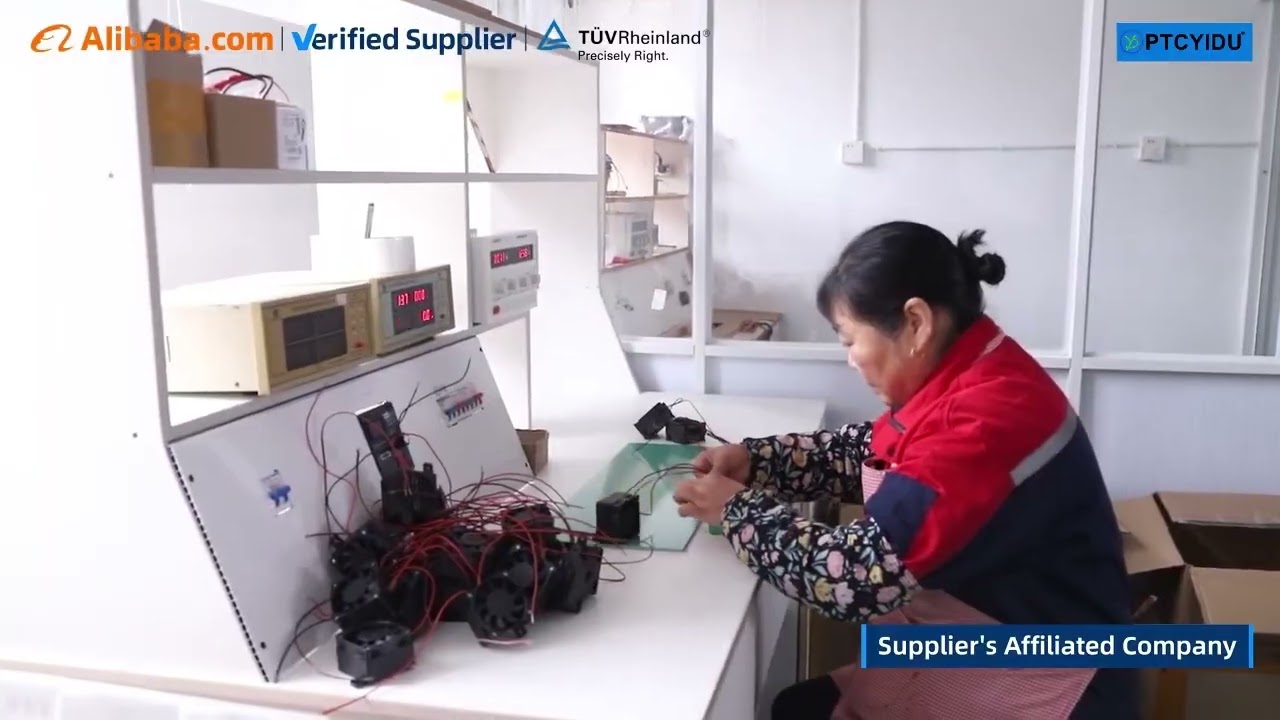
Compare quotes by lining up identical acceptance tests, delivery milestones, and long-term failure metrics. If your priority is rigorous thermal control and traceable testing, favor specialist manufacturers that document yields and thermal-cycle data; if speed is paramount, a regional contract partner is often the wiser trade. For many projects the balanced option—moderate unit cost, transparent testing, and predictable lead time—comes from a specialist with a clear catalogue and testing protocol such as PTCYIDU, which aligns product detail with production realities and reduces surprises during scale-up.