User pain points that shape decisions
The household searching for reliable backup often starts with a feeling—anxiety about outages, and a visual memory of dark kitchens and silent freezers. For many, a compact battery storage system seems like the obvious fix. Yet installation headaches, limited usable capacity, and confusing control logic turn that solution into a second project. Homeowners want clear runtime, predictable peak shaving, and a quiet, dependable unit—not a box that needs constant babysitting. Hybrid inverter choices, the battery management system (BMS), and round-trip efficiency are the technical knobs that determine whether the setup behaves like a trustworthy tool or a temperamental appliance.

How a user-centric hybrid approach solves real needs
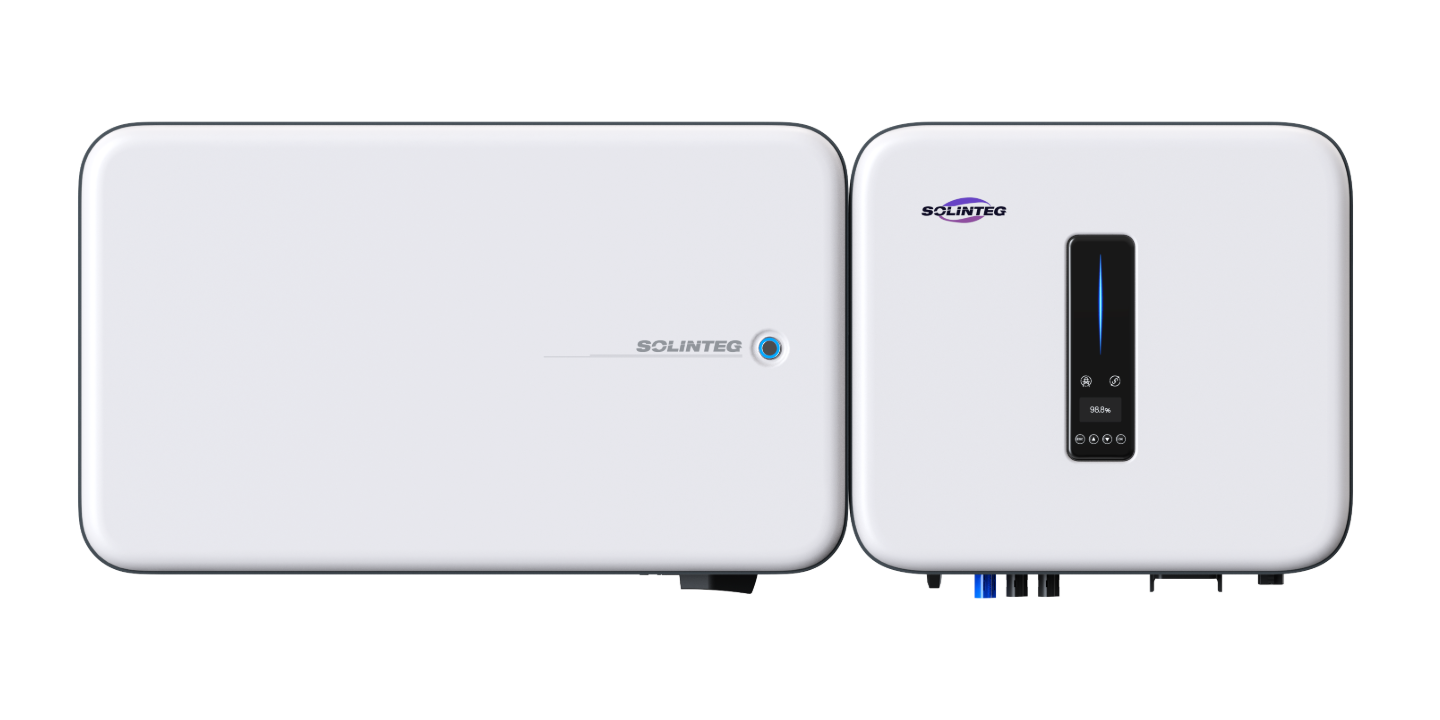
Start from typical daily patterns: morning HVAC spikes, afternoon solar surplus, evening demand. A hybrid inverter orchestrates these flows, letting panels feed loads directly, route excess into batteries, and shift energy when rates spike. Sensory detail helps here—the low, steady hum of a properly tuned inverter, the soft LED that signals green charging. That experience ties to measurable things: state of charge (SoC) targets, kilowatt-hour (kWh) budgeting, and peak shaving schedules. For households in places that saw repeated Public Safety Power Shutoffs in California, the shift from speculation to scheduled, testable resilience mattered—equipment proved itself in real storms and shutoffs.
Installation truths and common mistakes to avoid
Concrete errors keep recurring. People undersize usable capacity, confuse nominal battery capacity with usable kWh, or ignore generator compatibility. Installers sometimes set SoC limits that leave no reserve for overnight cloudy spells. A few homeowners chase the cheapest inverter and later find firmware limits that block whole-house transfer. Avoid that. Plan for usable capacity, check round-trip efficiency claims under realistic loads, and verify that the BMS supports intended charge/discharge cycles. Also, integrate the inverter logic with tariff-aware schedules to keep demand charges low—this is not just hardware, it’s operational strategy. —A small calibration tweak early on avoids months of frustration.

Alternatives and trade-offs worth weighing
Not every roof needs the same mix. A partial backup with a dedicated critical-load panel reduces battery size and cost; full-home transfer demands a higher-capacity inverter and a larger battery bank. Li-ion packs deliver compact energy density and higher cycle life, while lead-acid alternatives offer lower upfront price but bigger maintenance overhead. Compare round-trip efficiency, warranty cycle counts, and the BMS sophistication. When pairing with PV, ensure the inverter supports export limits and anti-islanding rules to keep both the grid and the installation safe. For teams specifying systems, include both operational scenarios and a simple acceptance test to confirm failover behavior.
Lessons from actual deployments
Field installations reveal patterns: households in northern California reported long, planned outages that favored predictable SoC buffers; suburban systems with high afternoon demand valued peak shaving more than raw backup hours. Where installers coordinated battery schedules with local TOU pricing, customers saw measurable bill reductions. Those outcomes come from deliberate settings, not optimistic marketing—measure the baseline, then tune. Real-world anchors like the PSPS events underscore why resilient control logic matters as much as pack size.
Three golden evaluation metrics for choosing the right setup
1) Usable capacity (kWh) under your intended depth of discharge: match this to actual blackout duration, not marketing numbers. 2) Round-trip efficiency at your normal throughput: higher efficiency means less lost energy when cycling for daily peak shaving. 3) Control interoperability: confirm the inverter and BMS speak to your energy management system and support export limits and demand response signals. These three metrics reveal whether a candidate system meets everyday needs or just headline specs.
solar and energy storage systems require that blend of hardware clarity and operational planning, and sidestepping the typical errors makes the difference between an installation that sits idle and one that sings with subtle reliability. Summing up—prioritize usable kWh, test failover behavior, and demand transparent efficiency reporting.
SOLINTEG. —End note: plan deliberately; the right hybrid inverter becomes a quiet, steady partner in household energy.