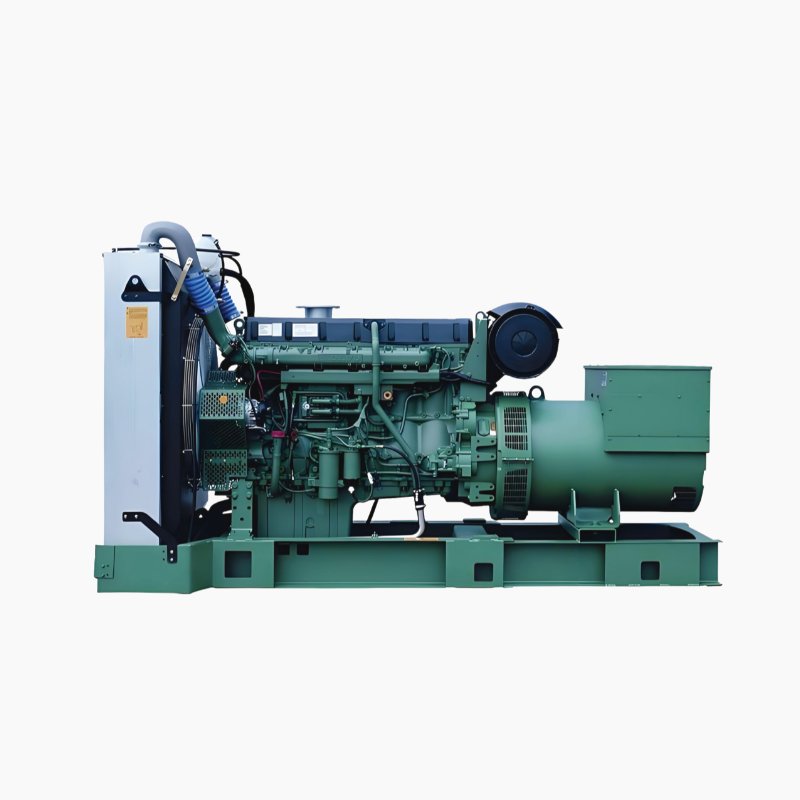
Immediate problem: why container gensets stop at the worst time
When a container genset trips during peak shift, production stops and costs climb fast—this is the problem many factory managers face. The root is usually small: clogged fuel filters, a tired alternator, or an ATS that never got a real load exercise. For reliable models like the volvo genset, failures still happen when maintenance is inconsistent or supply chains are stretched. Recent strain on grid-and-genset systems during the February 2021 Texas winter storm showed how a few overlooked checks can cascade into massive downtime and emergency hiring of external technicians; operators who’d kept tight maintenance logs coped far better.

Diagnose the real risks first
Start with clear, measurable failure modes: fuel contamination, cooling system blockage, starter battery degradation, and control-module firmware drift. Log running hours and test results in a single sheet so trends are visible. Use a basic checklist that covers alternator health, governor response, and ATS transfer timing. If readings drift beyond set thresholds, you act before the next shift loses power. This process reduces surprises and keeps spare-part consumption predictable—important when your volvo genset supplier faces lead-time delays.
Daily, weekly, and monthly routines that actually work
Simple rhythms win. Daily: visual walkaround plus battery voltage and oil level checks. Weekly: run the genset under load and log exhaust temperature and coolant pressure. Monthly: load-bank tests, fuel-system suction checks, and exercise the ATS under real transfer conditions. Record the alternator output and oil analysis results; those few numbers expose wear trends early. Keep fuel rotation tight to avoid microbial growth—fuel polish if storage exceeds 30 days.
Common mistakes teams make—and how to stop them
Teams skip run tests because every minute of planned downtime feels expensive. That’s a false economy—skipping tests lets hidden corrosion and control faults grow. Another mistake is treating the genset like a black box: replacing the whole module instead of swapping a worn governor or cleaning a fuel injector. Keep spares for high-failure items: starter motors, fuel filters, and control fuses. Also, ensure technicians know the vendor’s commissioning checklist so warranty terms remain valid—do not void them by improvisation. Small habit change prevents big failures—trust me, you will see the difference.
Parts, vendors, and the smart choice of supplier
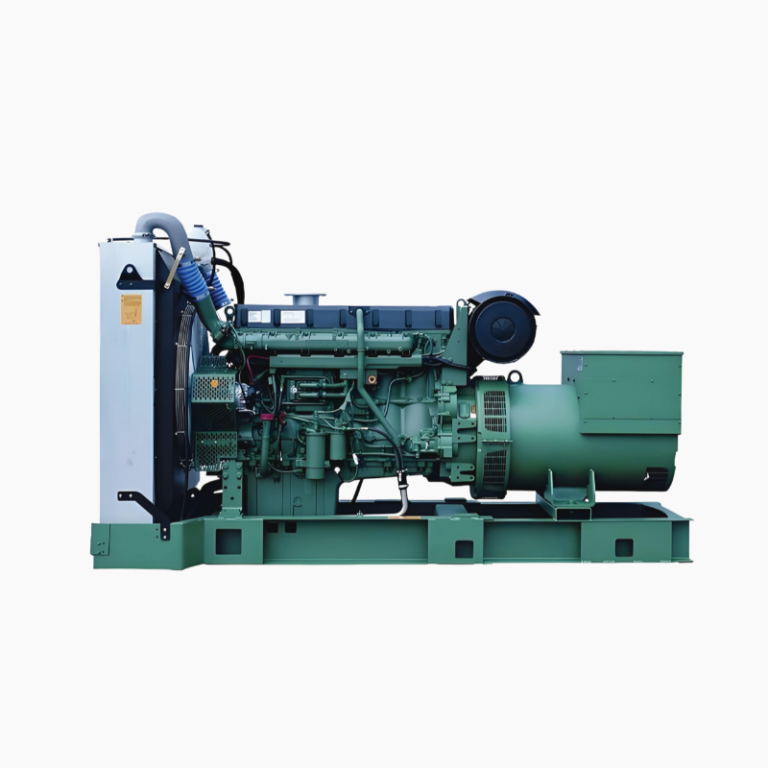
Buy from suppliers who document torque specs, cooling circuit diagrams, and firmware versions. A credible volvo genset supplier provides service kits matched to engine hours, not generic boxes. Prefer vendors who ship test reports and who can advise on ATS compatibility and load bank protocols. When supply chains are tight, pooled contracts with predictable lead times beat one-off buys; plan spares based on mean time between failures data rather than hope.
Training, documentation, and real-world anchoring
Hands-on training beats manuals. I’ve seen operators at a Nairobi logistics hub cut mean time to repair by half after two weeks of focused exercises on alternator swaps and ATS logic checks. Pair that with clear documentation: single-sheet start-up procedures, emergency shutdown steps, and a parts matrix linking failure symptoms to corrective actions. These artifacts make shift handovers clean and reduce dependence on one senior tech.
Three golden rules — practical metrics to guide your decisions
1) Availability target: aim for 99% genset availability during scheduled windows; measure this monthly by running hours versus outage hours. 2) Preventive replacement threshold: replace consumables at 70% of rated life (filters, belts, batteries) to avoid end-of-life surprises. 3) Load-test cadence: perform a full-load bank test every 90 days; record alternator voltage regulation and exhaust temperature to flag cooling or fuel delivery issues early. Use these metrics to judge vendors, technicians, and spare inventories.
Keep maintenance tight, keep records cleaner, and choose partners who support those practices—this is where real value sits. Huadong Power. –