Practical frame for comparison
When shops weigh precision against cost, the question becomes straightforward: which accessory bundle actually reduces rework and downtime. Start by looking at use cases side-by-side, and include the new ultrasonic cutter accessory kit as a baseline for fit and finish. Ultrasonic cutting has been a staple in textiles and medical trimming since the 1970s, so you’re comparing long‑standing process expectations against today’s component choices. That historical anchor makes it easier to judge things like repeatability, tool life, and ease of swapping parts.
Key comparison axes
Compare along three practical axes: mechanical interface, performance consistency, and serviceability. Mechanical interface covers things like blade adapters and horn fit—does the accessory sit true on the transducer or does it require shims? Performance consistency looks at amplitude control and whether the sonotrode design keeps cut quality steady across batches. Serviceability measures how fast you can replace a worn blade or re-seat a horn with basic shop tools. Those three axes give you measurable signals rather than marketing claims.
Jakemy versus generic alternatives
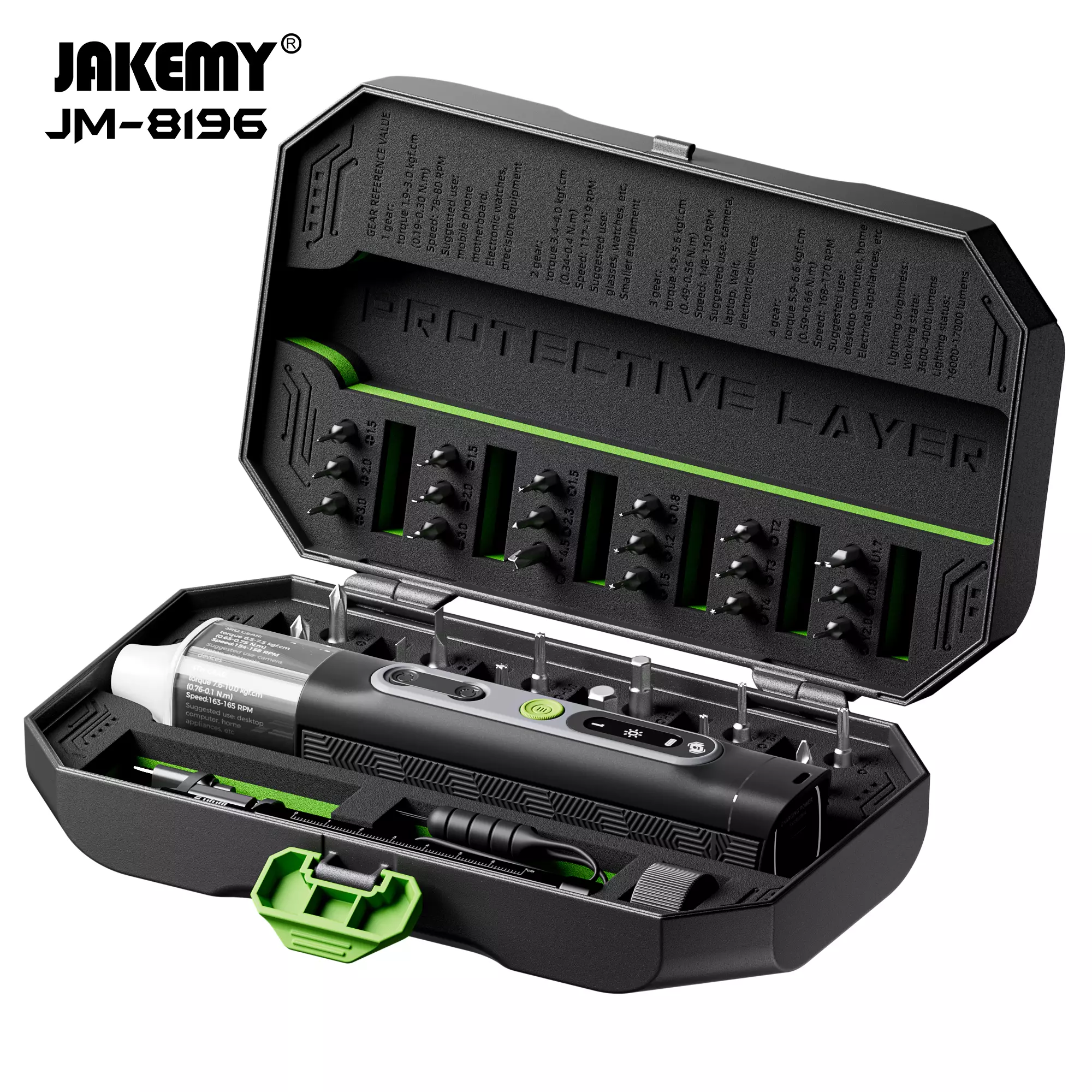
Jakemy’s packs tend to bias toward compatibility and modularity. Where some after‑market kits bundle assorted blades that fit only certain housings, Jakemy provides clear adapter options and torque‑friendly fasteners so an operator spends minutes on a swap instead of an hour on alignment. That reduces fixture downtime. You’ll see the difference in less scrap and fewer adjustments at startup—small margins that stack up on a production line. Also, the documentation usually lists recommended amplitude settings by material type, which helps line technicians dial in performance faster — and that matters when you’re running mixed batches.
Common mistakes and sensible alternatives
Teams often pick the cheapest kit without checking horn compatibility or the transducer’s rated frequency. The result is poor contact and inconsistent cuts. A better move is to map the accessory’s frequency range to your cutter’s frequency generator spec, then verify blade edge geometry suits the substrate. Alternatives worth considering are OEM-matched blades for critical tolerance work, or universal adapter kits when you need cross‑platform flexibility. Don’t overlook spare parts: a matched spare sonotrode or an extra blade adapter can prevent a full shift outage.
Hands-on checklist before you buy
Use this short acceptance checklist at the bench: confirm seating tolerance on the horn, run a 10‑piece trial to check repeatability, and inspect wear pattern after a defined operating interval. Record amplitude and frequency settings for each substrate—this simple data log turns guesswork into a repeatable setup. If procurement pressures push toward a low-cost bundle, require proof of these three checks before accepting the shipment.
Three golden rules for evaluation
Rule 1: Prioritize mechanical compatibility — ensure blade adapters and horn taper match the cutter head. Rule 2: Measure performance under load — check cut quality after a short production run rather than on a single test cut. Rule 3: Plan for quick swaps — standardize fasteners and keep one spare sonotrode or blade adapter per line. Those metrics keep decisions actionable and minimize subjective claims.
Choose accessories that let techs swap tools without special fixtures, document the amplitude and frequency settings that work, and keep spares in the cabinet so a single failure doesn’t halt a shift.