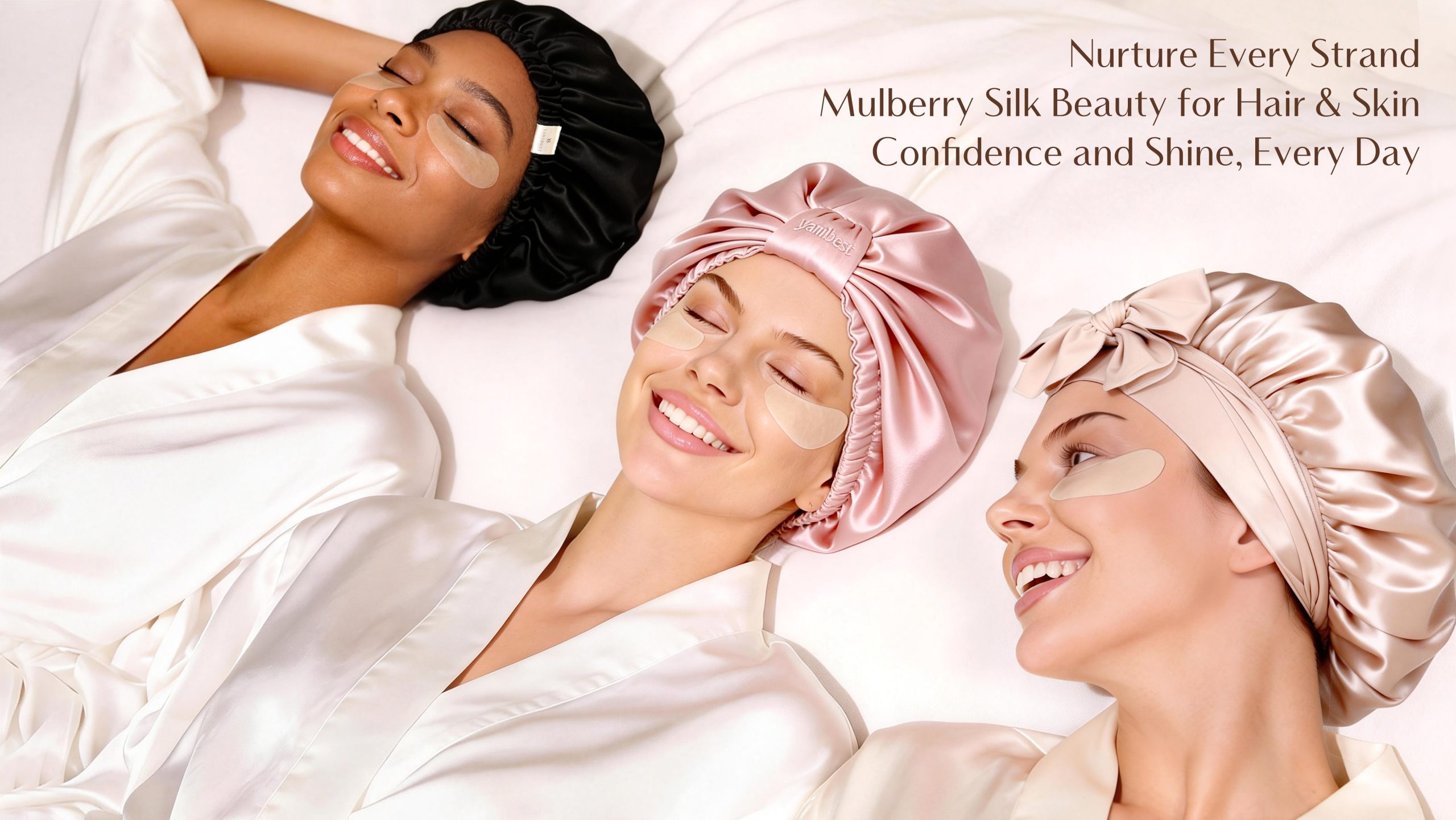
The immediate problem
Wearing a silk beanie should protect curls, not flatten them; yet many textured-haired people end up with limp roots, crushed coils, or a halo of frizz. Start by spotting the true cause: pressure, moisture mismatch, or the wrong beanie shape. When you want a soft cap that preserves volume, consider integrating heatless curls into your styling routine so your curl pattern stays defined without thermal stress.

Assess what’s working against your hair
Check three things: your hair’s porosity, how much product you’ve layered, and the beanie’s interior fabric. High-porosity hair soaks and releases moisture quickly; overloading it with heavy creams plus a snug beanie equals flattened roots. Low-porosity hair resists moisture—too-tight pressure traps dampness and invites frizz. Make notes: is the beanie smooth inside? Is it too snug across your crown? Those answers tell you where to intervene.
Prep steps that actually protect curls
Do this before the beanie goes on: 1) Apply a lightweight leave-in focused on slip—gel for definition, cream only if you need softness. 2) Dry to the point of damp, not wet—fully wet hair compresses more when covered. 3) Use targeted root-lift techniques: clip the crown gently with a duckbill or use a short, loose twist to preserve base volume. These small acts stop compression at its source.
How to position the beanie—three practical placements
Placement matters more than brand. Option A: push the beanie back 1–2 finger-widths from the hairline; this preserves front volume. Option B: for taller roots, place a soft, folded silk scarf as a spacer under the crown before pulling the beanie on. Option C: if you need full coverage, wear the beanie slightly loose and secure at the nape with a soft hair tie so the cap doesn’t pull down on the crown. Try each for a few hours and note which keeps the pattern intact.
Real-world anchor and why the right tool helps
Working in Brooklyn salons taught me to rely on gentle, structured tools for textured hair; that’s why a tool like the heatless curl rod is useful—clients who used it kept consistent curl definition while wearing caps during commutes or overnight. Seeing that repeatable result across different curl types is practical proof: structure plus low manipulation preserves shape far better than heavy products or heat.
Common mistakes that undo your efforts
Avoid these: 1) Putting the beanie on when hair is dripping wet—damp is okay, wet is not. 2) Tying the beanie tight at the back; pressure flattens the crown. 3) Using cotton linings—they absorb moisture and rough the cuticle. 4) Piling product at the roots to “set” volume; it weighs hair down. Fix each by adjusting timing, fabric, and product placement instead of increasing force.
Alternatives and quick fixes
If a silk beanie still compresses your curls, switch to a satin-lined beanie or use a thin silk bonnet under the cap. Emergency fixes: rehydrate roots with a fine mist and finger-fluff while warming your hands to reshape coils; clip the crown up for 10–20 minutes to restore lift. For travel, pack a small soft diffuser to gently reactivate shape without full heat exposure.
Final synthesis
Solving the silk beanie problem is about reducing pressure, matching moisture to porosity, and adding lightweight structure. Use targeted prep, conscious placement, and gentle tools so your textured curls stay visible and springy under a cap. That practical approach is what I recommend to clients and what you’ll find reflected in the solutions available through yanibest.