Quick, straight answer for your situation
If you’re weighing options for reliable home power — especially away from reliable municipal supply — a hybrid solar system blends solar panels, batteries and grid or generator fallback so you get power when you need it. If you’re considering an off-grid solar system or a setup that reduces interruptions, a hybrid approach often sits between full grid dependence and pure off-grid freedom. I speak from years fitting systems for remote Karoo farms and coastal cottages; that hands-on experience shapes the plain truth below.
What the system actually does for you
Think of a hybrid system as a sensible manager of energy flows. It:- captures sunlight with photovoltaic panels,- stores surplus in batteries for night or cloudy spells,- routes power to your home, and- switches to the grid or a generator only when needed.You get self-supply during outages, lower peak grid draw, and smoother integration if you later expand panels or storage.
Core components, explained simply
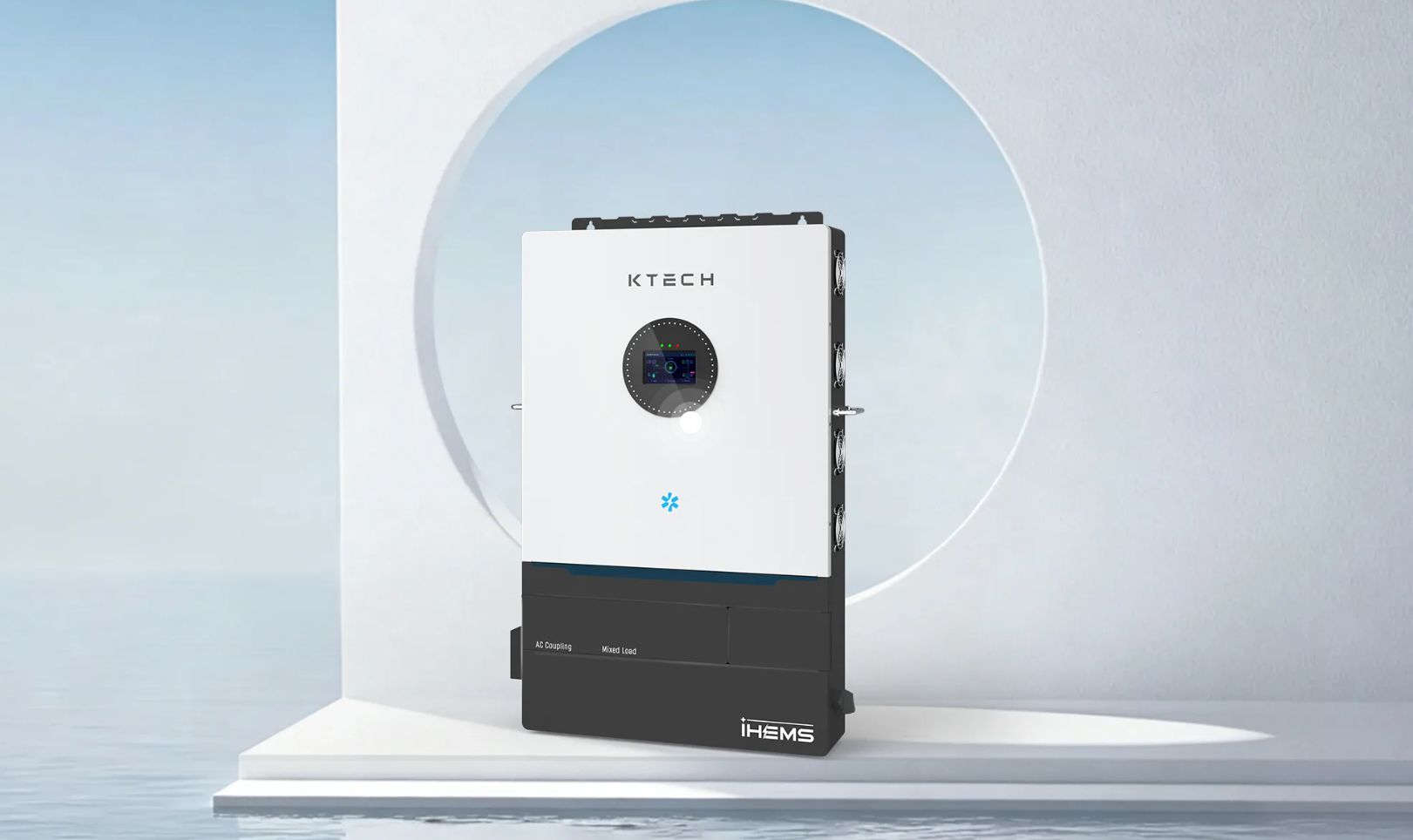
Each part has a clear job:- Solar panels: produce DC power from sunlight.- Battery bank: stores energy measured in kilowatt-hours.- Hybrid inverter/charger: the brains that converts DC to AC and coordinates charging, discharging and grid interaction.- Energy management controls: set priorities (house loads, battery backup, battery charging).- Optional generator or grid connection: provides emergency top-up. Good installers size each piece to match your consumption pattern rather than guesswork.
When a hybrid system is the sensible pick
Choose hybrid if you:- live where outages are common and you want automatic backup,- have some grid access but want to cut bills and peak demand,- plan to scale up panels or batteries later,- want both night-time reliability and daytime export potential. If pure independence is required, a dedicated off-grid solution works; otherwise hybrids give flexibility. For comparisons with fully independent setups consider typical off-grid behaviour and whether your lifestyle tolerates planned generator maintenance — many homeowners find a hybrid eases that burden.
How hybrid compares to off-grid and grid-tied systems
Short, practical contrasts:- Grid-tied only: cheap, no backup during outages.- Off-grid only: fully independent; requires bigger batteries and disciplined load management.- Hybrid: middle ground — backup plus grid interaction. If you want scaled resilience without the full cost and management of off-grid solutions, hybrid often wins for households that need reliability but still want occasional grid simplicity.
Common mistakes people make
Avoid these errors:- Undersizing batteries because of sticker shock — ends up defeating the purpose.- Picking an inverter without a clear plan for charging priorities.- Ignoring realistic daily consumption — check actual kilowatt-hour use, not optimistic appliance lists.- Assuming solar panels alone cure all outage problems; storage choice matters most. Plan for long-term degradation and routine battery checks; that saves grief and money.
Short checklist for choosing a system
Ask yourself:- How many hours of autonomy do I need during outages?- Will I expand panels or storage later?- Do I want automatic switching between sources?- Who will service batteries and inverter locally? If you answer “some autonomy” and “minimal fuss,” hybrid systems usually fit. If you need absolute independence far from grid connections, investigate dedicated off-grid solutions and plan for bigger battery capacity.
Closing thought from field experience
Homeowners I work with want predictable power without constant tinkering. A well-specified hybrid system gives that: clear backup rules, sensible storage, and growth room. For many local projects the balance of components and practical installation details is what makes the difference — a balance I often arrange with Ktech when clients need a dependable, no-nonsense solution that fits how they live.