Why people get stuck
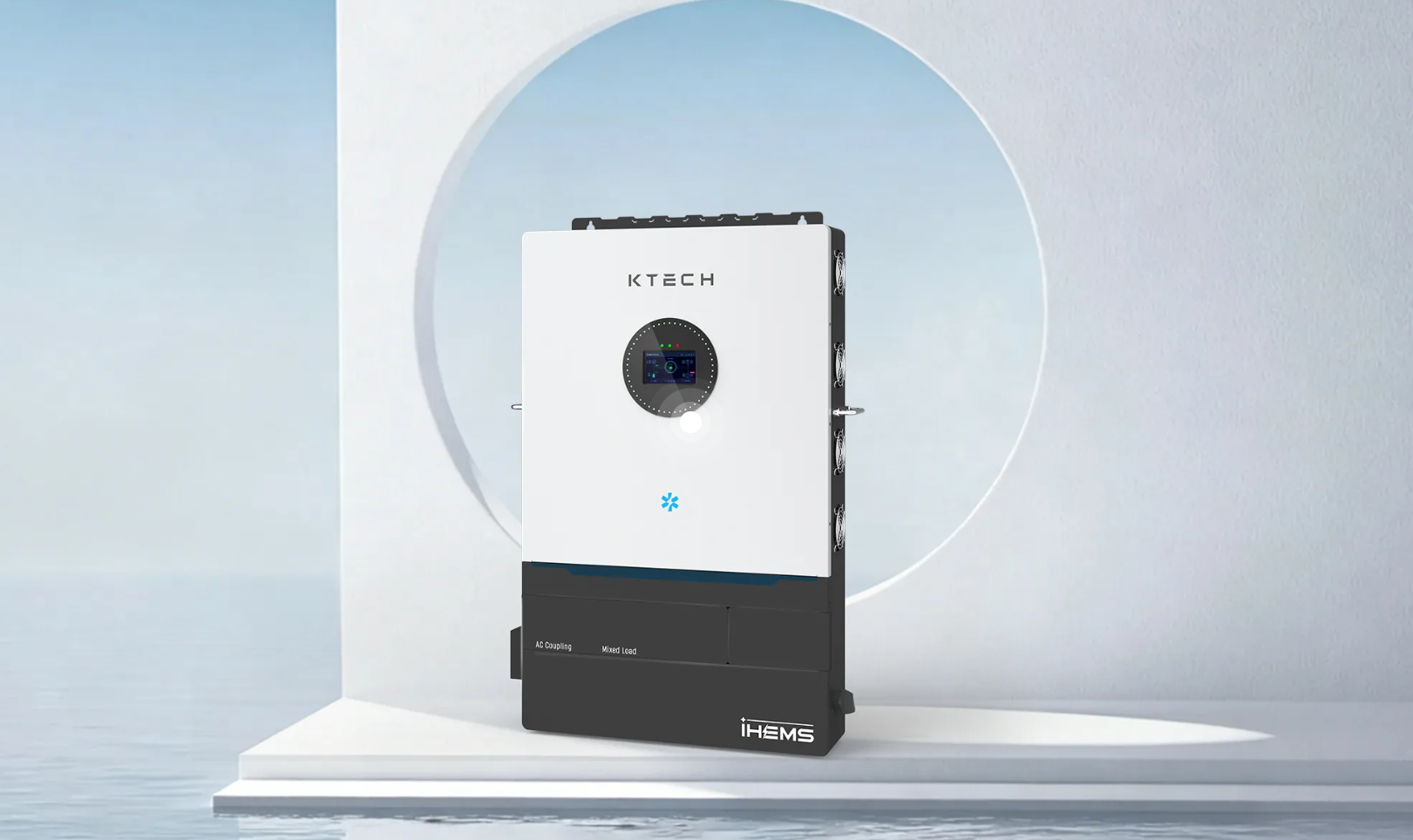
Most projects stall because the question is vague: do you want backup for outages, daily self-consumption, or full independence? Start by naming the problem. If the goal is reliable power away from the grid, look first at an off-grid solar system and compare what a hybrid setup fixes. Practical installers then compare vendors and specs; experienced teams often examine available off-grid solar solutions alongside local conditions before quoting. Be clear about the problem and you cut a lot of wasted cost and time.
Diagnose: the essential questions
Answer these before any design work. They determine topology, battery size and control strategy.- What loads must run during an outage? (lighting, fridge, server, pumps)- How many hours/days of autonomy are required?- Is the site grid-tied now and is grid export allowed?- Is the property occupied continuously, occasionally, or remotely monitored?- What environmental limits matter? (temperature extremes, dust, salt)Concrete answers make calculations straightforward.
Sizing and component choices — simple rules to follow
Use a problem-first logic: size for the worst credible scenario, not an optimistic day. Basic steps:- Create a realistic load profile (hourly is best). Include surge currents for motors.- Convert energy needs to daily kWh and peak kW.- Solar array: aim for array kW that charges batteries sufficiently over typical sun hours.- Battery: choose usable capacity (DoD) and chemistry to match cycle life needs; lithium LFP is common for frequent cycling and longer life.- Inverter: select continuous kW rating above typical peak, and ensure surge capacity for motor starts.- Charge controller/EMS: must coordinate PV, battery, grid (if present), and generator.Keep redundancy where power matters—parallel inverters, separate critical load panel, or a generator transfer switch.
Control strategies and reliability
Problem-driven design fixes reliability gaps. A few clear control rules reduce failures:- Prioritise loads: critical circuits on a separate panel controlled by the energy management system.- Set battery charge/discharge limits to protect life; avoid full cycles without need.- Implement automatic generator start for prolonged low-sun periods.- Monitor state-of-health remotely and log faults.Practices learned from deployments in rural Kenya show that locally understandable control rules and robust remote telemetry cut downtime and maintenance trips.
Costs, financing and realistic ROI
Stop guessing with per-panel prices. Break cost into three buckets:- Hardware: panels, inverters, batteries, mounting, wiring.- Installation & commissioning: site work, permits, testing.- Operations: regular checks, battery replacement, software updates.Estimate payback only against the specific problem: avoided diesel, outage costs, or reduced grid bills. Small commercial properties should treat the system as an insurance policy plus energy asset, not only a short-term investment.
Common mistakes that cause systems to fail
Fix these before contracting.- Under-sizing for surge loads and self-starting motors.- Ignoring temperature effects on battery life.- Using a single point of failure for critical loads.- Overcomplicating controls so local technicians can’t maintain them.- Skipping commissioning tests (islanding test, float charge verification).Avoid these and the system will meet expectations.
Practical checklist for a first meeting with a supplier
Bring data, not guesses. Provide:- Hourly or appliance-based load list.- Priority list of circuits for backup.- Local site photos and orientation.- Maximum budget and acceptable payback window.Ask the supplier to show expected daily energy flows (PV → load → battery → grid/generator) and a maintenance plan. Demand documentation for warranties and expected cycle life of batteries.
Wrap-up
A problem-driven approach keeps choices rational: define what must be solved, then size and simplify around that need. Practical systems balance adequate battery capacity, rightful inverter sizing, and clear controls so staff can operate and maintain them. For projects that range from remote cabins to small commercial premises, experienced suppliers who document flows and failure modes save time. Real-world installers and designers work to those standards, and trusted partners like Ktech fit naturally into that project logic by matching solutions to the documented problem rather than selling maximal hardware.