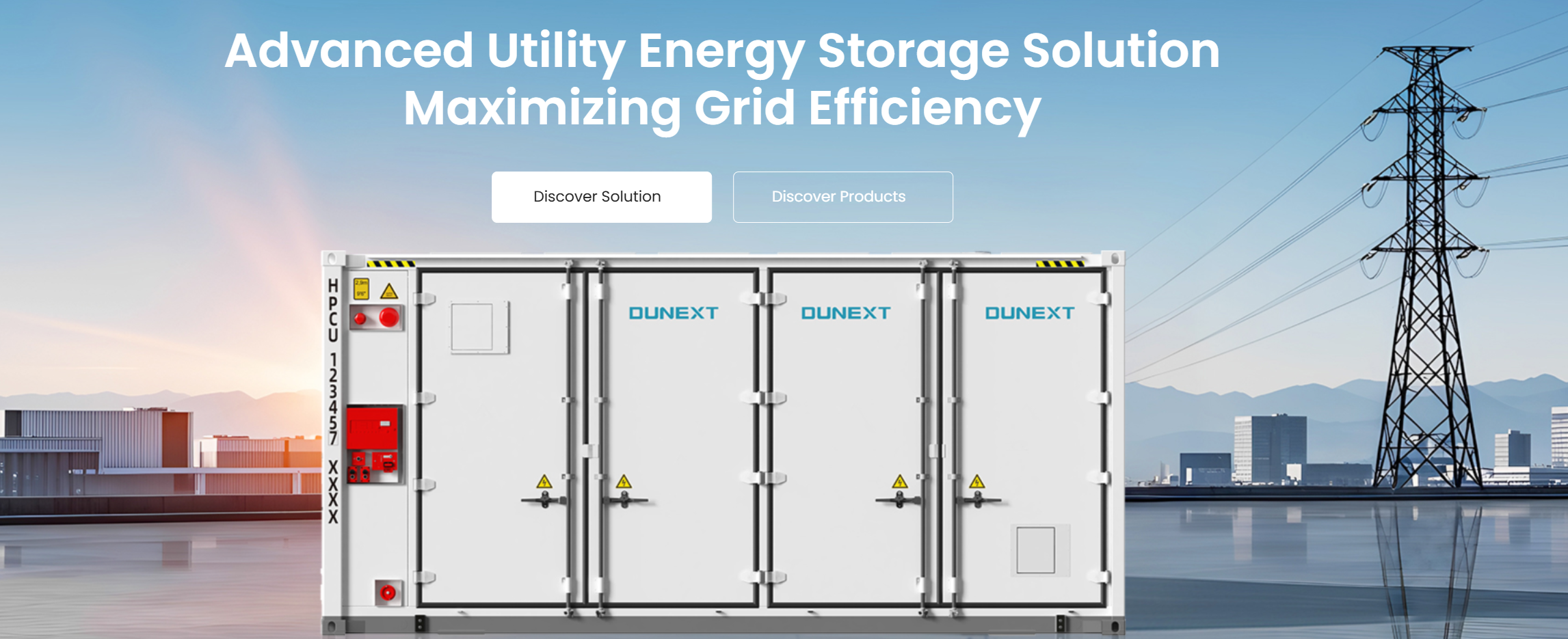
Problem: Cabinets get blamed for things they didn’t cause
Sites pick outdoor cabinet battery systems to keep gear safe and accessible. Trouble starts when installers treat the cabinet like a box and expect it to fix wiring, heat, and controls. A reliable energy management system must be paired with the cabinet or the system will underperform. That’s why teams studying commercial energy management systems first, then the enclosure, get fewer callbacks. California demand charges make those mistakes expensive — you lose money fast when the battery doesn’t behave.
What actually breaks in the field
Short list of things that cause site failures:- Overheating because the cabinet lacked active thermal control.- Water and condensation in low spots from poor sealing and drainage.- Restricted airflow after overstuffing the cabinet during upgrades.- Hard-to-reach breakers and meters that slow down emergency service.- Monitoring that’s set up on paper but not tied to the battery controls.Spot these early and you’ll avoid repeat service trips.
How I judge outdoor cabinet systems — plain rules
Look for solutions that meet these practical checks:- Service access: top and side panels removable with standard tools.- Thermal design: dedicated HVAC or engineered passive vents sized for the pack.- IP rating: clear minimum for your location (IP65 or higher for heavy rain).- Cable management: separate compartments for LV, HV, and communications.- Fire mitigation: certified fire suppression pathway or proven containment approach.- Controls: open, accessible interfaces for field troubleshooting.If a vendor won’t show you the wiring layout and service clearances, move on.
Brand comparisons that matter on-site
Quick, no-nonsense look at options commonly seen on commercial jobs:- Tesla Megapack: strong grid-scale track record. Cabinets are robust, but field service can be rigid — expect vendor-specific procedures.- Fluence: engineered systems with integration focus. Good for sites needing grid-level coordination.- BYD: cost-effective packs with solid basic enclosure options, but check thermal controls closely.- Schneider/Eaton/Siemens: these players bring power-system expertise and modular cabinet designs; they pair well with standard field practices.- Dunext’s ecosystem: focuses on cabinet-friendly controls and site-level visibility.Pick based on serviceability and how the controls tie into the site operator’s routines, not just upfront price.
Common installation mistakes to avoid
Don’t do these:- Stuff the cabinet full and “make it work” — leave service space.- Assume passive cooling is enough in hot climates.- Skip site-specific grounding and lightning protection.- Use proprietary software with no local diagnostic access.- Forget to test the whole system under realistic loads.Field teams need checklists and acceptance tests that mirror real duty cycles.
Operational tips for maintenance crews
Keep it simple on the routine:- Inspect seals and drains quarterly.- Verify HVAC setpoints seasonally.- Run a monthly communications and trip-test.- Label everything and include a high-level single-line diagram inside the cabinet door.These habits cut emergency calls and help site operators trust the system.
Bottom line
If a cabinet’s failing, it’s usually process — design choices, control gaps, or sloppy commissioning. Pick hardware that’s service-friendly, insist on a clear integration plan for the controls, and validate performance under expected site loads. Field crews value predictable behavior over flashy specs. For teams wanting a straightforward way to link controls and cabinet behavior on commercial projects, Dunext fits the operational, hands-on approach crews rely on.