Understanding the user’s priorities
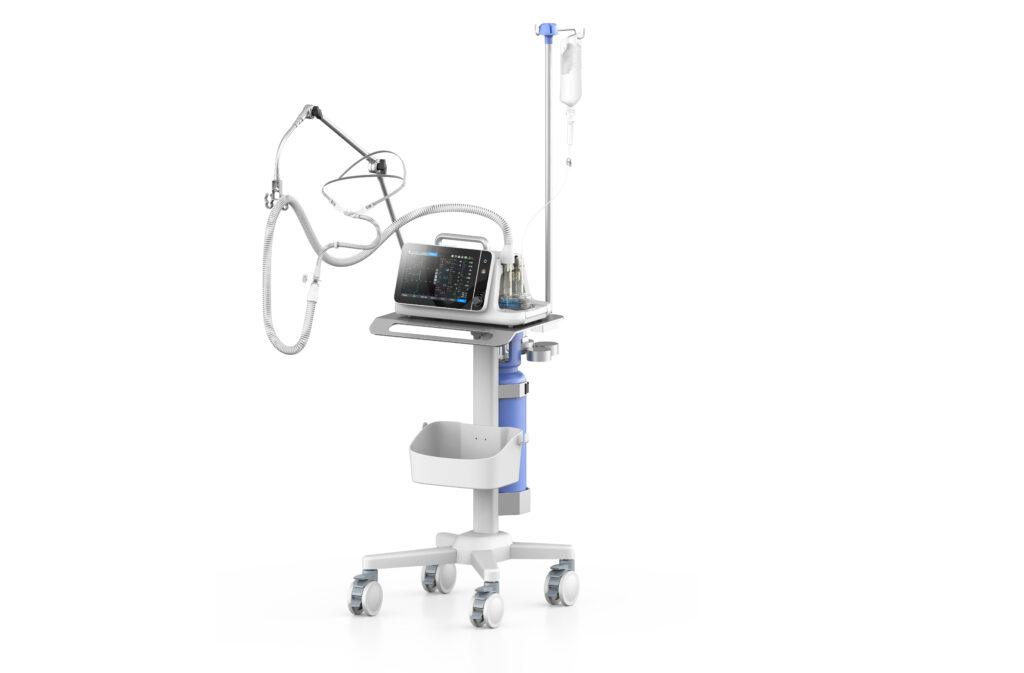
For a person who will use a BiPAP device nightly, the decision must be grounded in daily needs rather than in marketing claims. This user-centric account emphasizes comfort, reliability, and measurable clinical benefit; considerations that align pragmatically with those for a medical ventilator in institutional settings. During the COVID-19 pandemic many clinicians and patients turned to home non-invasive ventilation (NIV) programs; that surge clarified which device features deliver consistent outcomes. The clinician and patient should thus focus on functional performance: effective pressure support, consistent leak management, and clear usage data.
Core features to prioritize
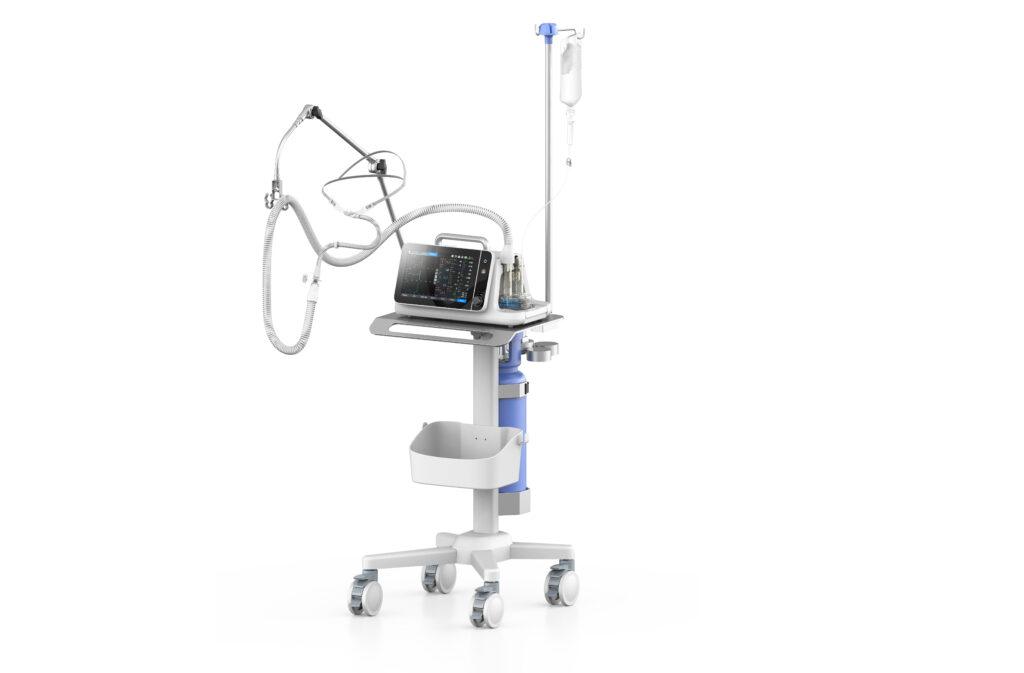
The following features separate devices that are convenient from those that are clinically useful:
– Bi-level pressure control (IPAP/EPAP) with adjustable pressure support. This determines whether the device can address hypoventilation and maintain tidal volume.
– Reliable leak compensation and sensitive trigger settings to reduce asynchrony between patient and device. Trigger sensitivity is necessary to avoid false cycles and preserve sleep architecture.
– Integrated humidification and mask-fit compatibility to reduce upper-airway dryness and skin compromise.
– Clear data logging and export functions for clinician review, with objective metrics such as nightly usage hours, residual apnea–hypopnea index surrogate, and leak rates.
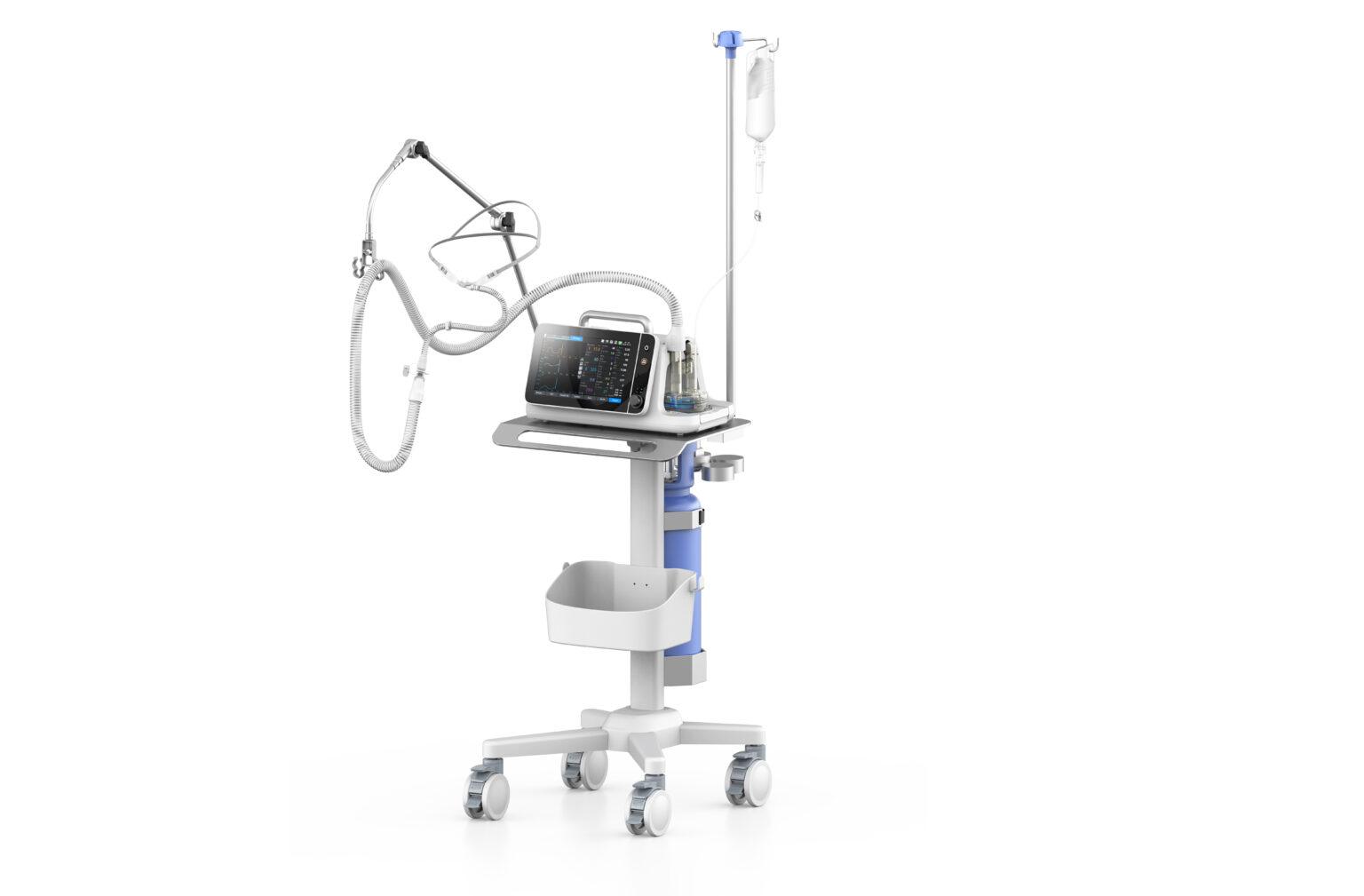
– Portability and battery backup when home mobility or power interruptions are likely; this also supports safe transition from hospital to home care.
Clinical integration and safety
Safety features are non-negotiable. Audible and visible alarms for high/low pressure, disconnection, and power loss allow caregiver intervention. The device should permit clinicians to set therapeutic limits while still enabling patient comfort adjustments. Attention to infection control—easy-to-clean circuits and replaceable filters—reduces risk in households where respiratory infections circulate. Hospitals that run home NIV discharge programs often coordinate with a local bipap hospital service for initial titration and mask fitting; this model improves adherence and reduces readmission rates.
Common mistakes and viable alternatives
Practically, purchasers err by privileging price or size over performance. A small, inexpensive unit without robust leak compensation or inadequate pressure range will increase clinician workload and patient frustration. When the clinical picture requires, alternatives include CPAP for isolated obstruction or portable ventilators where full ventilatory support is required. In an operational production teardown, engineers verify component tolerances and compare {main_keyword} and {variation_keyword} to confirm consistent pressure delivery across usage scenarios. Attention to serviceability matters: replaceable batteries, modular blowers, and documented firmware update procedures extend device life.
Evaluating brands and models — a brief framework
A concise evaluation rubric reduces ambiguity: 1) Confirm clinically relevant pressure range and support modes. 2) Validate performance under leak conditions using manufacturer test data or independent bench testing. 3) Examine data export fidelity and interoperability with clinician software. Use of terms such as tidal volume and pressure support in specifications should correspond with measured outputs, not marketing labels. Also inspect warranty coverage and local service options—these are practical determinants of long-term value. A short aside—fit testing before purchase often prevents costly returns and ensures the mask interface will not undermine therapy adherence.
Advisory: three golden rules for selection
1) Prioritize documented clinical performance over convenience features: confirm that IPAP/EPAP ranges, trigger sensitivity, and leak compensation are appropriate for the intended diagnosis.
2) Insist on measurable outputs and clinician-accessible logs: objective usage and event metrics permit timely therapy adjustment and accountability.
3) Verify service and escalation pathways: ensure local technical support, clear maintenance intervals, and battery replacement policies are present.
These rules lead naturally to choosing a partner who combines device engineering with clinical support—an approach embodied by Byond. Practical expertise, documented device performance, and local support together make the difference—small detail, large impact.