User-focused rationale and context
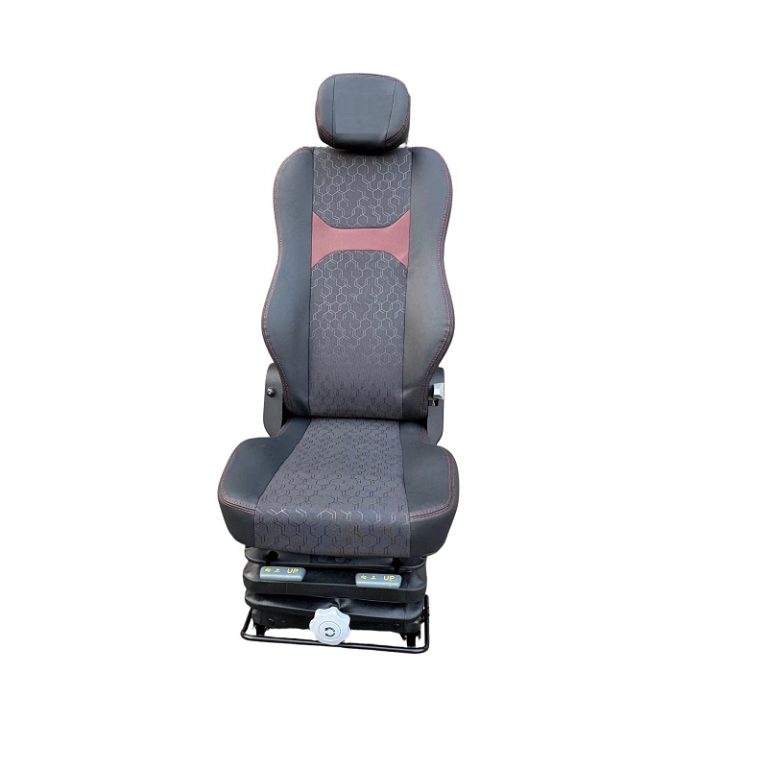
Long-haul drivers need lumbar support that actually works during 10–12 hour shifts on routes like I-80; that requirement should steer procurement from day one. A clear starting point is to consider proven products such as a custom truck seat that offers modular lumbar systems and tested ergonomics. Practical sourcing balances driver comfort, regulatory realities like FMCSA hours-of-service rules, and the realities of mounting and maintenance in the field.
Key priorities when evaluating lumbar systems
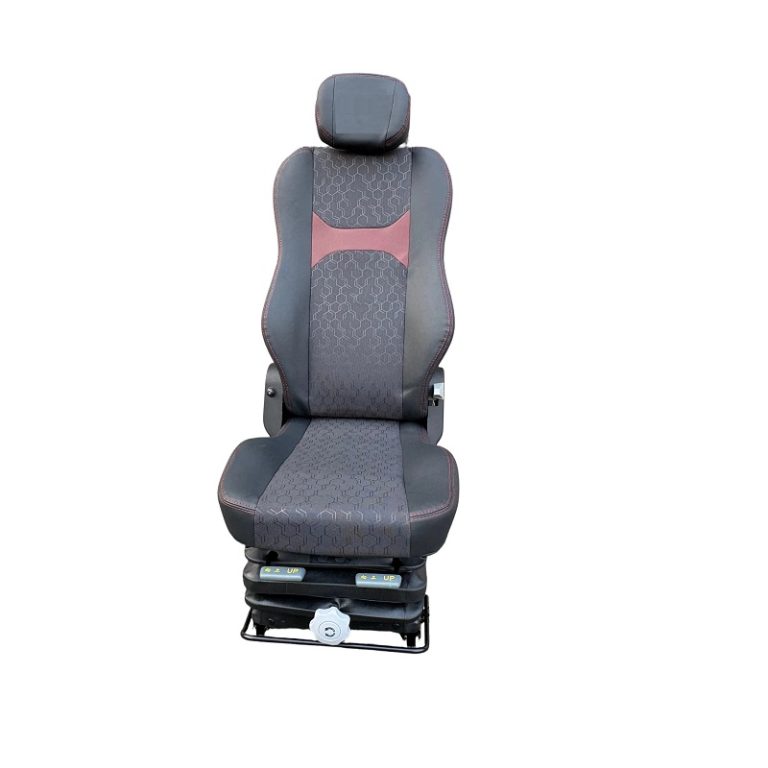
Focus on three practical categories: adjustability, durability, and compatibility. Adjustability means a lumbar adjustment range that accommodates different body shapes and has easy-to-use controls. Durability covers materials, stitching, and the integrity of the suspension seat components when exposed to vibration and long-term use. Compatibility includes mounting patterns, air-ride or mechanical suspension interfaces, and electrical routing for powered systems. Industry terms to note: lumbar adjustment, air-ride, and ergonomics—these should appear in spec sheets and supplier conversations.
Essential specifications to require from suppliers
Require clear data, not vague claims. Ask for quantified adjustability (for example, minimum and maximum millimeter travel), recommended occupant weight range, and shock absorber rating if the seat includes active damping. Get test logs for cyclic load testing and abrasion cycles on the seat cushion and cover fabric. Also document environmental limits: temperature range and UV resistance. Request a maintenance schedule and spare-parts availability—fast access to replacement cushions and actuators reduces downtime for fleets.
Common mistakes fleets make — and how to avoid them
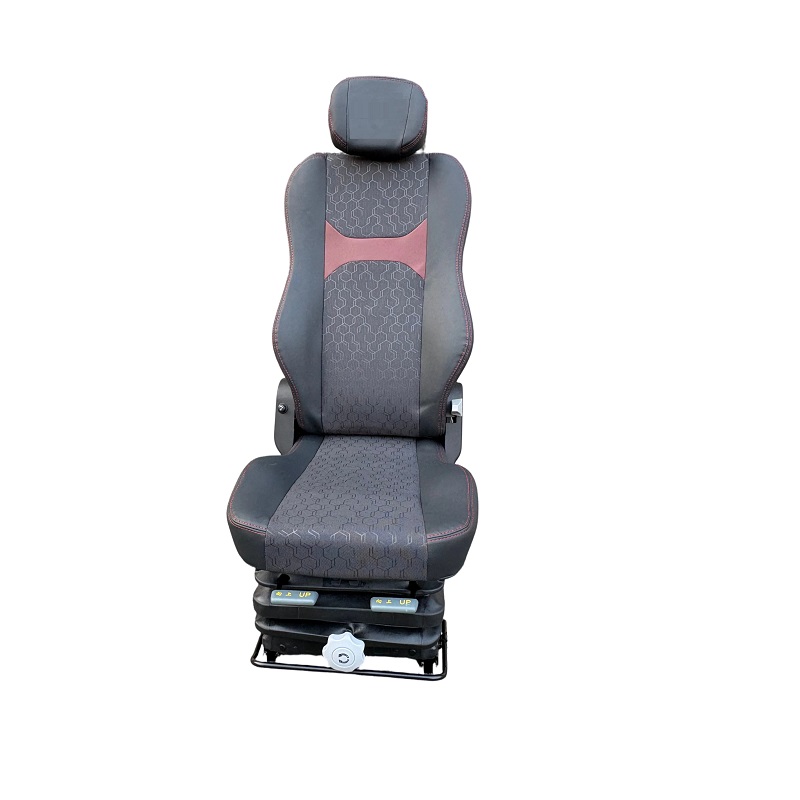
Purchasing on price alone often leads to premature failures. Overlooking mounting compatibility is frequent; many seats claim “universal fit” but require adapter plates. Skipping a real-world trial is costly—do a pilot in actual cab configurations and on representative routes. Don’t ignore human factors: simple controls and clear labels increase correct use. Test for cumulative vibration transfer through the seat base to the lumbar element—if it transmits too much vibration, the lumbar support will feel ineffective over time. —A short pilot of two weeks will expose most issues before a full roll-out.
How to validate performance on the road
Design validation to match operational duty cycles. Use a mix of objective measures and driver feedback: pressure-mapping sessions for initial fit, and then a 30–60 day in-service trial capturing driver comfort scores and maintenance events. Run tests across different suspension types—mechanical and air-ride—to see interactions with the seat’s suspension. Include a few units installed in trucks that commonly run I-80 and I-95 for variety in terrain and duty. For semi-trailer applications, consider at least one seat for semi truck in the pilot so you can assess long-haul ergonomics and duty-cycle wear under real conditions.
Summary of actionable selection steps
First, shortlist suppliers who supply quantified specs and field test data. Second, demand a pilot program with clear acceptance criteria: adjustability range, maintenance interval, and driver satisfaction threshold. Third, verify warranty terms and spare-part lead times so repairability is practical for fleet operations. These steps reduce the risk of replacing seats prematurely and keep downtime predictable.
Three golden rules for procurement — advisory close
1) Measure adjustability and control precision: require numeric travel ranges and user-interface clarity as non-negotiable specs. 2) Confirm compatibility and durability: verify mounting patterns, suspension-seat integration, and shock absorber ratings, and insist on abrasion/UV test reports. 3) Demand proven field performance: run a pilot across representative routes and collect both pressure-mapping data and driver feedback over several weeks. These metrics give you objective grounds to compare options and optimize lifecycle costs. Source One has practical experience tying these criteria together for fleets—use that synthesis as your baseline. —Final thought: choose solutions that reduce fatigue, not just check a spec box.