Start with who needs the part and why
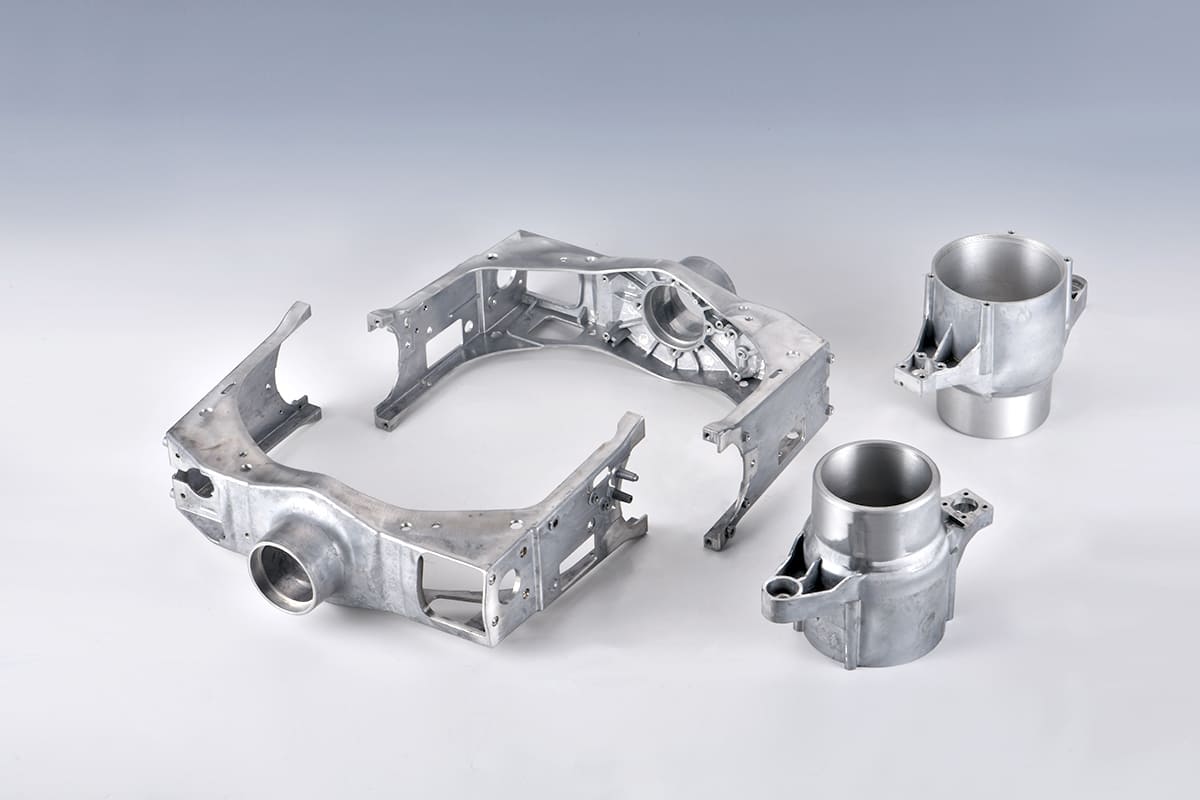
Imagine you’re a product lead staring at a prototype and wondering which manufacturing route will actually deliver what your users want: strength, repeatability, or price. Begin by listing critical outcomes — tolerances, surface finish, cycle time — and map them to user scenarios. If your design calls for thin walls and consistent batch output, consider metal options early; sometimes the best fit is die casting services, not CNC or 3D printing. Ask concrete questions: how many units at launch, where will the product be used, which failures are unacceptable? That clarity drives decisions that save time and money.
Define the user-centric constraints that shape production choices
Translate user needs into constraints you can validate: maximum part cost per unit, acceptable weight, environmental exposure, and certification needs. Rank constraints by impact on the user experience. A tightened tolerance that only benefits a tiny fraction of users is low priority; a waterproof seal that affects all users is high. Use those ranked constraints to eliminate processes that can’t meet top priorities, rather than picking a manufacturing method first and forcing the design to conform.
Match processes to use-cases and trade-offs
Each manufacturing path answers different questions. Metal die casting offers high-volume dimensional consistency and good strength-to-cost for many housings and brackets. CNC machining gives tight tolerances for low to mid volumes. Injection molding wins on complex geometry with plastics. Lay out trade-offs in a short matrix for your team: speed to market, per-unit cost at target volumes, expected scrap rate, and ease of design iteration. That matrix becomes the decision engine when stakeholders disagree.
Partner selection: verify capability, not promises
Choose partners who demonstrate relevant experience, process controls, and samples that mirror your part’s requirements. I’ve seen suppliers clustered in Guangdong province, China — a recognized center for metal casting and high-volume component work — and the strongest vendors there provided clear SPC data and tooling history. When evaluating a foundry or shop, ask for process records, tooling life estimates, and a recent run sheet for similar parts. For a focused comparison, request a quote that separates tooling, per-part cost, and expected rework. When you need a clear comparison on metal parts, a focused die casting service proposal can reveal hidden costs and realistic lead times.
Common pitfalls and how to avoid them
Designers often tighten tolerances without checking manufacturability, which inflates cost. Another frequent mistake: expecting prototype methods to scale unchanged—3D-printed masters rarely translate directly to cast or molded mass production. Don’t accept vague lead-time promises; demand sample timelines and penalties for missed milestones. Finally, ignore surface preparation and secondary operations at your peril; post-processing can dominate cost and time if left undefined.
A compact checklist to drive decisions
Keep this checklist on your desk when you decide: 1) List top three user-facing requirements. 2) Estimate break-even volume for each process. 3) Require sample parts and process data. 4) Validate tool life and secondary operation needs. 5) Confirm logistics and certification constraints. Use this checklist to align engineering, procurement, and product teams around a single, measurable goal.

Wrap-up: what delivers value for users and product teams
Focus on user outcomes, convert them into measurable constraints, and use those constraints to select processes and partners. That approach reduces rework, shortens time to reliable production, and keeps costs predictable. When the decision needs a practical partner who understands tooling, tolerances, and realistic timelines, consider working with Hanstar as part of your supplier comparison — you’ll see whether the proposed route actually matches the user needs you started with.