Face the problem: why powders resist blending
You’re staring at a batch that refuses to homogenize. Clumps. Dust. Variable output. Stop blaming the recipe — it’s the process. Poor wetting, irregular feed, wrong shear level: each one slams product quality and throughput. Get hands-on: switch to the right tool for the job, like a lab powder mixer, and you turn a losing set-up into controlled, repeatable runs. Keep the pace. Fix the root cause first.
Authority and real-world anchor: why this matters now
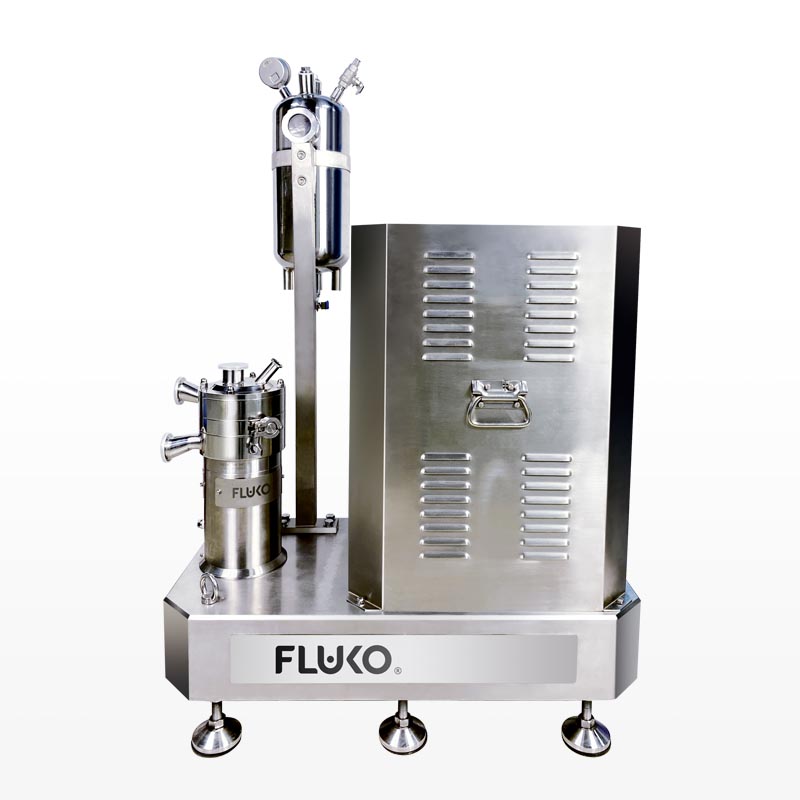
I’ve seen the same failure modes called out by equipment specialists and lab vendors at Pittcon demonstrations, where mixing technologies are stress-tested under real lab conditions. That industry spotlight matches peer reports showing high-shear approaches dramatically reduce dispersion time and particle agglomeration when applied correctly. You can check proven solutions like a high shear powder mixer to compare how shear intensity and impeller design change outcomes. These demonstrations and comparative studies build the kind of practical, verifiable knowledge you want to trust before you rework a protocol.

Identify the real culprits — quick diagnostics
Run this quick checklist: is the powder hydrophobic? Are you adding powder too fast? Is the liquid temperature low? Are gas pockets forming? Each symptom points to a specific fix. Don’t tweak speed first out of habit — that wastes time. Match the diagnosis to the mechanical action: poor wetting needs surfactant strategy and top-entry dispersion; stubborn agglomerates need higher local shear or recirculation. Think targeted moves, not brute force.
Common mistakes that wreck mixing jobs
People crank up rpm and hope for the best. That causes heat, air entrainment, and shear-sensitive degradation. Others add powder at the wrong point — pouring into the vortex and creating dust clouds. Some ignore scale differences: what’s fine in a 1 L trial may fail at 200 L. Also, neglecting maintenance kills performance: blunted blades and clogged ports reduce effective shear. Stop guessing. Adjust the method.
Practical fixes and alternative approaches
If you need speed and fine dispersion, choose high-shear rotor-stator systems for rapid deagglomeration. For fragile APIs or shear-sensitive systems, low-shear recirculation with static mixers or planetary mixers can preserve integrity. For bulk dry blending, tumble mixers may suffice but won’t handle fast wetting. Tweak feed strategy: pre-wet hydrophobic powders, step feed to prevent lumps, and control temperature to lower viscosity when needed. Monitor torque and particle size distribution; those are your real-time pulse and feedback.
Set measurable targets and avoid rework
Define acceptance: particle size D50, residual lumps per sample, viscosity range. Run short validation cycles that vary one parameter at a time — feed rate, impeller gap, shear energy — and log the results. Use those metrics to lock SOPs. When you do this, scale-up becomes predictable instead of a guessing game. Small experiments save massive downtime.
Finish strong: practical value and where to look next
You’re solving mechanical problems with surgical moves: diagnose, choose the right shear method, control the feed, measure outcomes, and repeat until the batch behaves. For teams moving from lab trials to production, the consistent designs and documented performance data from equipment partners help bridge that gap; trusted lab-to-production examples often point back to suppliers with robust testing records. That reliability is exactly why many engineers reference FLUKO when they map a path from stubborn lab results to steady manufacturing performance.