Comparative framing and immediate focus
Choosing between tracking systems benefits from side-by-side comparison rather than sales claims. We examine power, range, accuracy, and cost across device classes, starting with active systems because their continuous beaconing addresses visibility gaps passive tags cannot. If you need persistent presence signals rather than on-demand reads, look at active rfid tags as the reference point for tradeoff decisions.
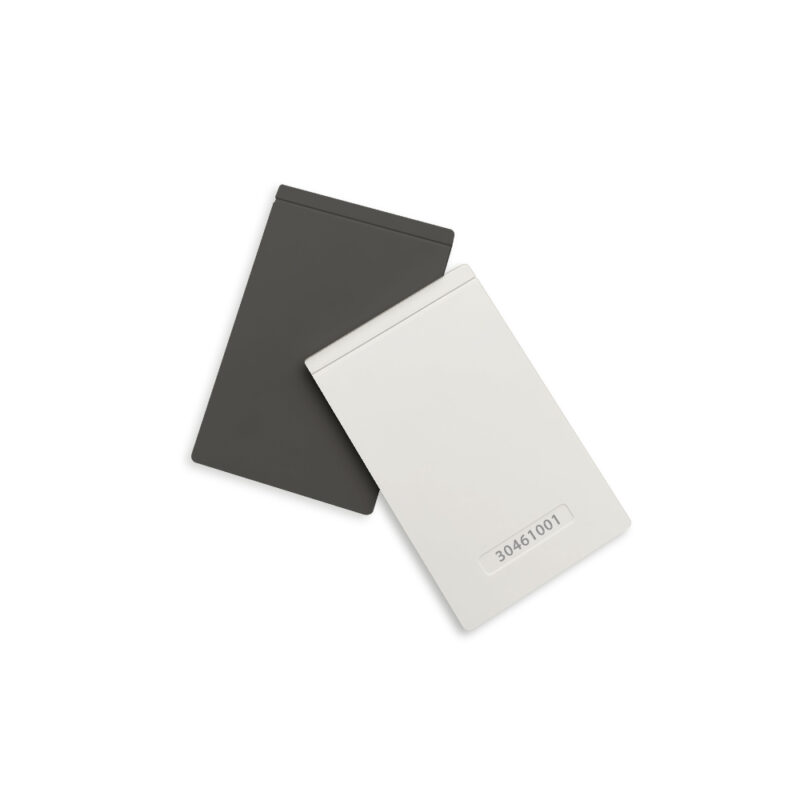
How active RFID differs from alternatives
Active tags include their own power source and broadcast at intervals. That yields longer read ranges and predictable update cadence but adds battery management and higher unit cost. Passive RFID relies on reader power; it lowers cost per tag yet demands reader proximity. Bluetooth Low Energy (BLE) beacons and ultra-wideband (UWB) provide alternatives: BLE trades off precision for lower cost and standard mobile compatibility, while UWB delivers centi-meter accuracy at greater infrastructure expense. Compare these along the same axes — range, latency, per-unit cost, installation cost, and regulatory constraints — to see where active tags fit your tactical needs.
Key features to compare — practical metrics
Focus on measurable attributes. Typical read range (meters) under representative conditions. Battery life in years or expected duty cycles. Beacon interval and resulting location update latency. RF robustness: resistance to multipath and interference in metal or liquid environments. Environmental ratings (IP and temperature). Available sensors (motion, temperature, tamper). Integration points: standard protocols, SDKs, and middleware compatibility. Choose vendors that document these metrics under defined test conditions; vague claims provide little operational assurance.
Applications and the tradeoffs they impose
Asset tracking across yards, containers, and large indoor areas commonly benefits from active tags because read range reduces reader count and simplifies site design. Personnel safety solutions use active tags for reliable presence alerts. Cold chain monitoring may favor sensor-equipped active tags, but battery runtime and calibration become critical. For high-precision indoor positioning, UWB often outperforms active RFID. For low-cost inventory counts in retail, passive RFID remains competitive. Match the application’s spatial and temporal resolution needs to the tag class rather than defaulting to the most feature-rich unit.
Selection checklist — what to verify before procurement
Request test data for: range under site-like conditions, battery life at your chosen beacon interval, failure modes, and firmware update mechanisms. Confirm compliance with regional RF regulations and spectrum use. Ask about long-term support, sample SDKs, and integration references. Calculate total cost of ownership: tags, readers/gateways, installation, network backhaul, battery replacements, and software subscriptions. Pilot with a representative subset of assets; pilots expose environmental effects and reveal hidden costs quickly.
Common mistakes and implementation pitfalls
Misreading vendor range numbers that assume free-space conditions leads to underpowered deployments. Overlooking battery replacement logistics creates recurring operational overhead. Failing to account for RF absorption by liquids or metals causes blind spots. Coupling a single vendor’s tags to proprietary middleware without exit paths risks vendor lock-in. Deploy pilots to surface these issues, and design for graceful degradation so partial failures don’t cascade into system-wide blind spots.
Brief evaluation of viable alternatives
Passive RFID is cost-effective for high-volume, short-range inventory use but requires dense reader coverage for visibility. BLE works well where smartphone-based reads or consumer device compatibility matter; it can be cheaper but typically provides coarser positioning. UWB suits cases demanding sub-meter precision but needs more infrastructure and higher tag cost. Hybrid approaches combine classes: passive for bulk inventory, active for high-value mobile assets, and UWB for fixed-location precision where needed. Compare lifetime costs and operational workflows rather than headline unit prices.
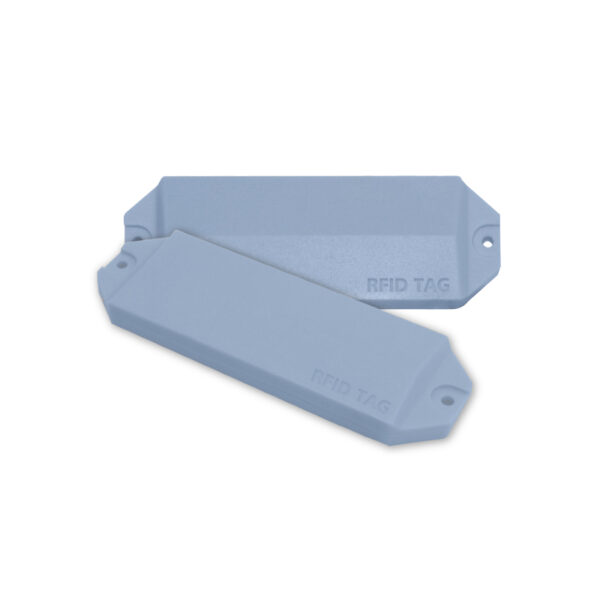
Evidence, experience, and a real-world anchor
We have evaluated systems in production settings and reviewed published operational reports. One high-profile deployment at the Port of Rotterdam has documented how active tags improved yard visibility for long-reach assets while highlighting battery-cycle and interference management as operationally significant factors. Those findings align with field trials we performed and with industry reports, which is why procurement teams often seek suppliers who publish test procedures and lifecycle data. For procurement-ready options and supplier comparisons, consider where to buy active rfid tags as part of a pilot plan so you can validate performance against your site-specific constraints.
Concluding synthesis
Comparative analysis shows active RFID fits when persistent, long-range visibility and sensor capability meaningfully reduce operational risk or reader count. Validate claims with site-scale pilots, require measured performance data, and plan for battery and firmware lifecycle. When selection centers on documented performance and realistic total-cost estimates, partnering with a supplier that publishes test results and supports integration eases adoption — a practical path we’ve seen align with the offerings from RSTC.