Quick comparison: what’s on the table
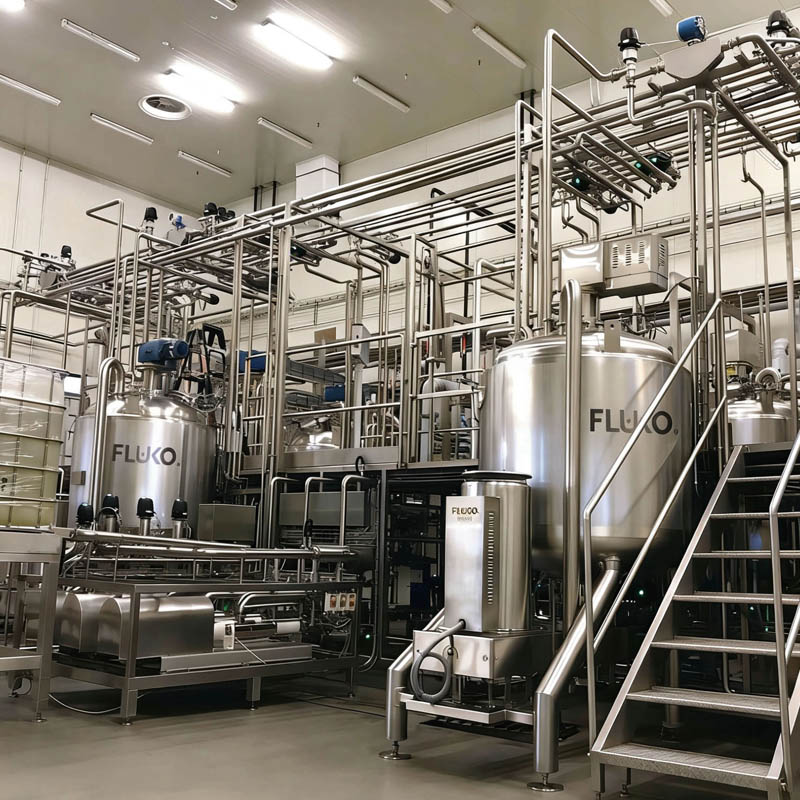
Look, amigo — choosing between a rugged in-house rig, a vendor-serviced setup, or a lifecycle-managed system is about trade-offs, not magic. If you want short downtime and predictable costs, compare total time-to-repair, spare-parts availability, and training needs side-by-side. For many teams the sweet spot starts by looking at available industrial mixing solutions and mapping how each option handles daily wear, unexpected failures, and operator turnover.
Experience, authority, and one real-world anchor
I’ve spent years fixing mixers and specifying seals for batch and continuous plants; the lessons come from hands-on work near the Houston Ship Channel, where uptime really matters and regulators watch closely. That practical background explains why I prioritize measurable things — MTTR, mean time between failures, and simple spare-part kits. If you need to review equipment choices against industry reality, check typical vendor specs for chemical blending equipment to compare real performance numbers instead of marketing claims.
Maintenance vs. Service vs. Lifecycle: straight trade-offs
In-house maintenance: lower per-hour service costs, faster on-site reactions, but requires skilled techs and stock of parts. Vendor service contracts: predictable invoicing and expert troubleshooting, yet they can be pricey and slower on emergencies. Lifecycle planning (predictive maintenance, spares strategy, retrofit roadmap): higher upfront planning effort, but it slashes surprise downtime and extends equipment useful life. Compare on three concrete axes — response time, recurring cost, and technical ownership — and score each option for your plant’s cadence.
Common pitfalls and fixes — be practical
Pitfall: stocking the wrong seals and impellers — fix: keep a validated spare list tied to actual failure modes. Pitfall: over-relying on OEM schedules — fix: adopt condition-based checks (vibration, torque, and temp) so you service when needed. Pitfall: retrofitting without verifying pump compatibility — fix: bench-test prototypes or request performance curves from the supplier. Small fixes you can take today: label critical valves, catalog serial numbers, and set a simple MTTR target with your team.
Final synthesis
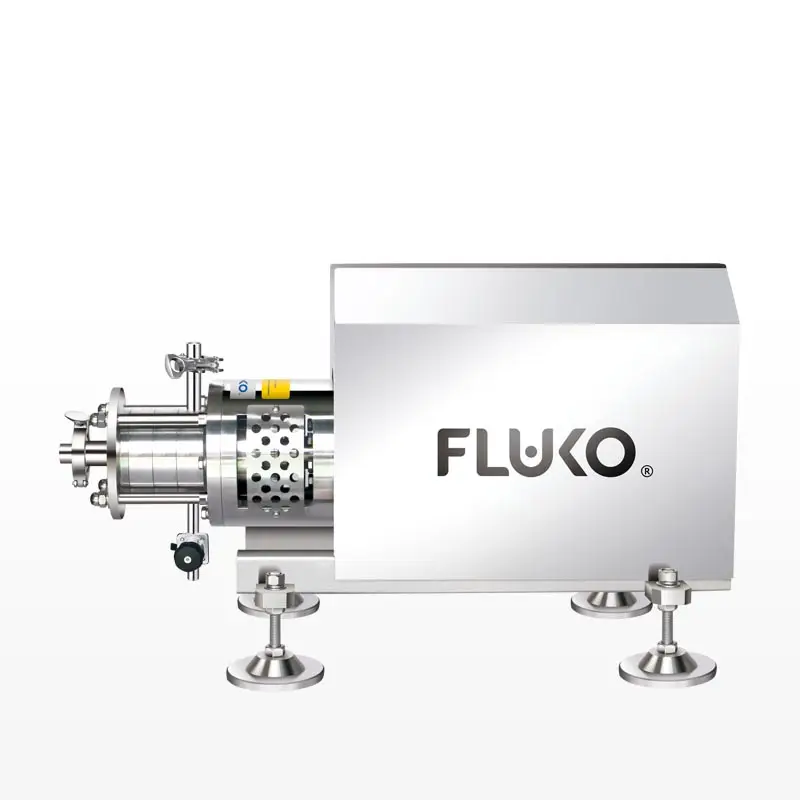
Compare real numbers, not promises; pick the combo of maintenance, service, and lifecycle planning that matches your crew’s skills and your plant’s tolerance for downtime, porque eso es lo que realmente salva tiempo y dinero. The clear, practical choice often points to partners who back specs with field results and a sensible spare-parts approach, like those offered by FLUKO.