The problem that wakes teams at 3 a.m.
Small lab victories turn sour on the shop floor: a color that matched on a Petri dish flares, viscosity that behaved for three minutes stalls the line, and a supposedly robust paint shows orange peel when applied. For formulators working with coatings, getting from a bench recipe to dependable production often hinges on application as much as chemistry — even learning how to spray single stage paint without orange peel can’t trump a poor scale-up plan. This is a problem-driven moment: identify the core failures, then fix them with clear steps that respect both art and engineering.

Where scale-up most commonly fails
Heat, shear, and containment change everything. Many teams assume a proportional swap from 100 g to 100 kg, and that’s the trap. Mixing energy per unit volume shifts; surfactant packing and pigment wetting alter gloss and flow; solvent evaporation at line speed changes film formation. Treat these not as abstract risks but as measurable variables: temperature curves, tip speed, and residence time. Design experiments that map those variables instead of relying on single-point checks.
Concrete fixes you can apply tomorrow
First, quantify the process: record torque, rpm, temperature ramps, and addition order during successful lab runs. Second, replicate shear profiles in a pilot mixer using scale-law adjustments rather than guesswork. Third, set acceptance bands for critical attributes — particle size distribution, solids content, and evaporation rate — and automate checks at those points. Don’t skip small pilot batches: they reveal interactions invisible in the lab and keep waste down when production starts.
Practical pitfalls in coatings formulation and application
Trouble often arrives at the spray gun. Wrong nozzle, poor atomization, or ambient conditions produce defects no chemistry can cure. I’ve worked alongside refinish teams and seen demonstrations at the European Coatings Show in Nuremberg that proved technique matters as much as formulation; practical exposure like that reinforces why manuals alone fail. For on-the-job correction, focus on gun setup, fluid pressure, and transfer efficiency. If you need targeted help on application technique, consult guidance on how to spray single stage paint — it ties application detail back into formulation choices.
Quality and compliance: the non-negotiables
Regulatory lists and material specs live alongside aesthetics. Implement a raw-material approval matrix and link each incoming lot to a fast analytical screen: GC for solvents, particle sizing for pigments, and acid number for resins. Use vendor data but verify with your own quick tests. Traceability isn’t a form to file; it’s your defense when a batch drifts and a customer calls.
Alternatives and sourcing strategies
If a formulation depends on a single supplier or a niche solvent, the risk to continuity rises. Consider dual-sourcing critical intermediates and qualify substitutes with a short, defined test battery that mimics your process stresses. For coatings, waterborne routes and high-solids systems can reduce volatile exposure, but they demand different drying profiles and atomization settings. Compare alternatives by running mini-pilot trials under the same mechanical conditions you’ll use at production.
Common mistakes when moving into production
Teams often skip cross-functional rehearsals. Operators, QC, and formulators must run a dry pilot together; otherwise assumptions about equipment or sequence lead to repeated reworks. Another mistake: treating application training as an afterthought. Poor spray technique masks the best chemistries and inflates scrap. Train application staff with measurable targets — transfer efficiency, film thickness, and solvent balance — and keep records for continuous improvement.
Why this approach earns trust
I bring practical shop-floor experience and lab work to each recommendation, supported by trade events and peer-reviewed methods that validate scale-up math. That combination — hands-on practice, replicable metrics, and an attention to application — produces reproducible batches and predictable finishes. When you marry formulation discipline with application know-how, your production line behaves less like a gamble and more like a practiced craft.
The worth of a partner who understands both sides
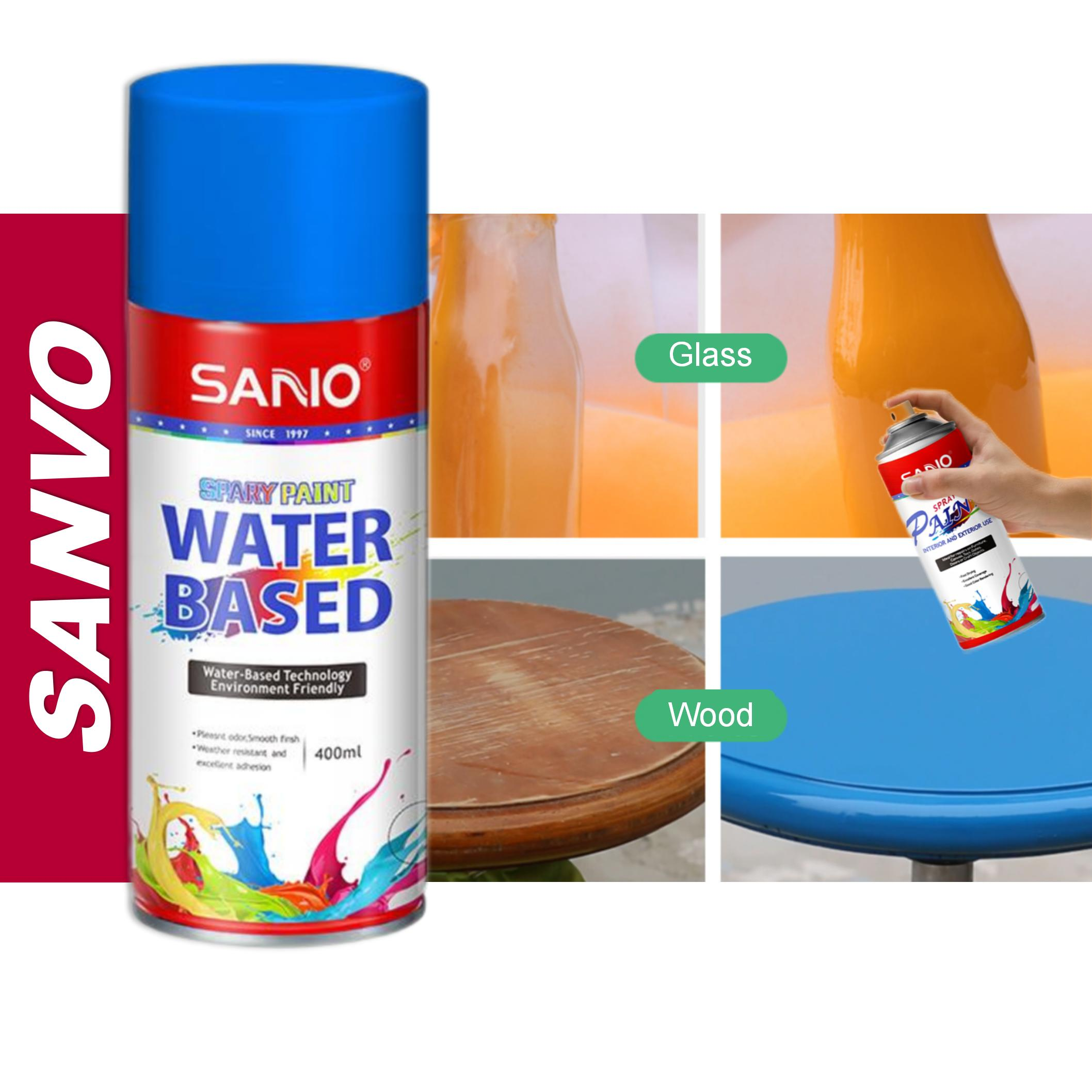
Problems shrink when chemistry and application are planned together. A supplier that tests materials under your process conditions and helps refine atomization or drying parameters becomes a collaborator rather than a vendor. That collaboration is the value SANVO brings when you need technical depth without theatrical promises: precise formulation support, pilot testing, and practical application insight from lab bench to line. SANVO fits naturally into the workflow, smoothing the path from concept to reliable production.