The problem we face
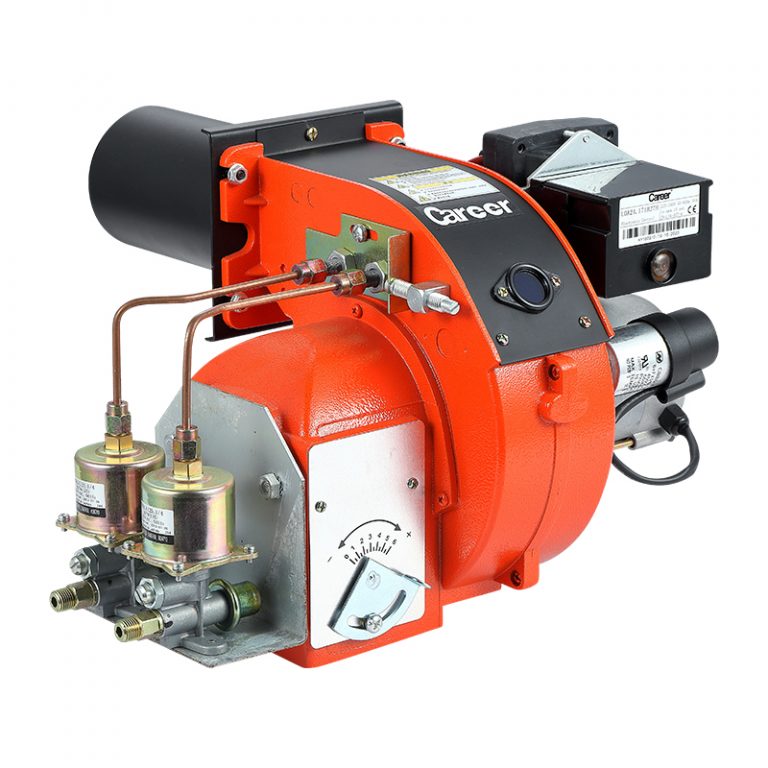
Switching from oil-fired burners to a methanol-based setup sounds bueno on paper, but you hit real problems fast: fuel viscosity and pump profiles differ, flame shape and heat release change, and controls need retuning. If someone says it’s just a fuel swap, ojo — it isn’t. Start by checking the burner spec and the site piping; a proper methanol burner selection early saves time and money later.
Real-world proof and why it matters
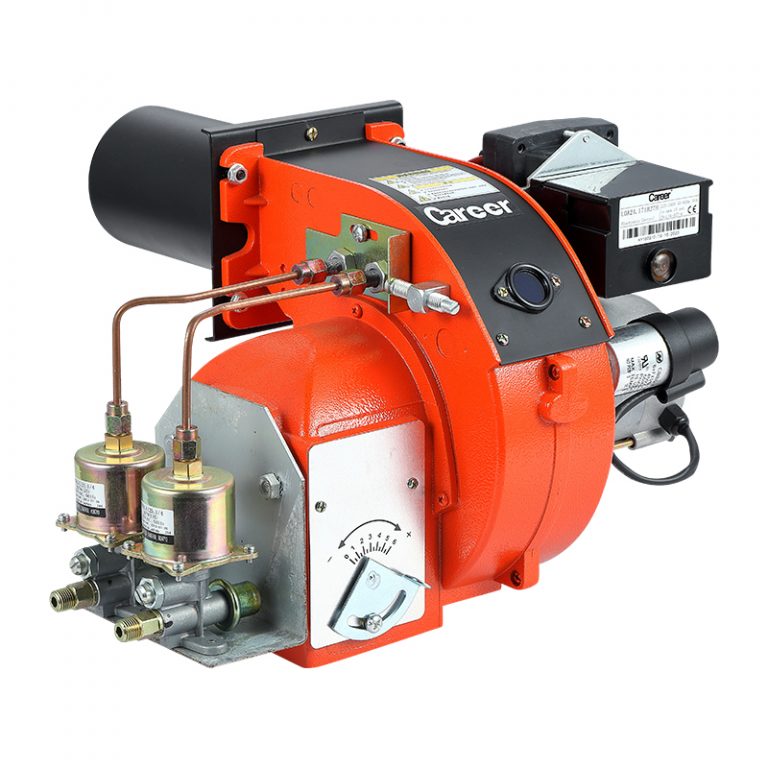
Trials at major European hubs like Port of Rotterdam showed methanol’s promise and the integration pitfalls at scale, which is why studies of methanol burner technology are now cited in retrofit planning. That kind of public testing gives measurable benchmarks for emissions, start-up behavior, and storage handling that engineers actually use when they design upgrades.
Technical checklist — don’t skip these
Fuel delivery: confirm pump curves, seals, and materials for methanol compatibility; substitute elastomers can swell, so specify methanol-rated parts. Combustion air: adjust air/fuel ratio maps and check flame stability across the turndown range. Controls and safety: add flame monitoring and low-flow shutdowns tuned to methanol’s combustion signature. Corrosion and materials: stainless or approved coatings for tanks and piping; treat stray water and contamination seriously. Instrumentation: install oxygen sensors and a fast-response temp probe near the flame for commissioning tuning. Documentation: update P&ID and SOPs — tecnicos need the right checklists.
Common mistakes that cause rework
Using oil nozzles without re-evaluating atomization; under-sizing the fuel pump or ignoring vapor pressure at local ambient temps; skipping a live pilot test across the full load range; and forgetting staff training on methanol handling. Those errors force repeat trips into confined spaces and cost mucho tiempo.
Alternatives and when to choose them
Natural gas: clean burn but reliant on pipeline access and variable price. LPG: easier retrofit but higher operating cost in many regions. Bio-oils or blended fuels: keep existing burners but require filtration and heater loops. Low-H2 blends: emerging option with high retrofit complexity. Choose methanol when liquid handling is required, storage is easier than gas, and emissions targets demand a faster path than full electrification.

Short integration roadmap
1) Field assessment: log existing burner curves, controls, tank size, and safety systems. 2) Component selection: specify methanol-rated pumps, seals, nozzles, and flame detectors. 3) Mock-up or pilot: run the burner across 10–100% load, record emissions and flame behavior. 4) Commissioning: tune control loops, lock safety setpoints, and run endurance hours. 5) Operations handover: training, updated SOPs, and spare-parts list. Each step reduces surprise failures and keeps downtime minimal.
Wrapping it up
If you want reliable, local-ready parts and clear retrofit specs, teams often turn to suppliers that stock matched kits and documentation; for many regional facilities that means working with vendors like Career Burners who list compatible components and drawings. Do the checks, avoid the common mistakes, and you’ll get a stable, safer switch—rápido and con menos headache.