Problem: small device, big consequences
I’ve seen plenty of neat specs stumble in the cath lab because small design choices were skirted during production — and that matters when you’re relying on interventional medical devices to deliver predictable behaviour. The real problem isn’t a single failure mode; it’s a cluster: tip buckling, poor torque transmission, unpredictable lumen friction, and batch-to-batch variance. Clinicians notice immediately. Procurement teams notice later, when returns and complaint reports pile up. We need to pin down the root causes, not just patch symptoms.

Why tiny engineering trade-offs blow up in practice
Designing a coronary microcatheter is a juggling act. Choose a softer distal polymer for trackability and you lose push response; favour a stiffer braid for torque and you sacrifice flexibility. Coating chemistry that lowers friction can delaminate if bonding isn’t right. Wall thickness decisions change lumen profile and affect micro-guidewire compatibility. Each choice compounds during manufacture: extrusion tolerances, heat-setting, braid insertion and tip shaping all amplify small errors into clinical problems.
Manufacturing pitfalls that sabotage clinical performance
Common production mistakes are concrete. Poor extrusion control causes variable inner diameters, which alters flow and guidewire fit. Inconsistent braid tension creates uneven torque response. Overheating during bonding can change polymer crystallinity, yielding brittle tips. Inadequate sterilisation validation introduces residue that raises friction. Skimp on inline inspection and you allow micro-defects to reach users. Those defects show up as returned lots, longer procedure times, and frustrated operators.
Checklist for evaluating an OEM supplier
Ask for demonstrable control points, not marketing claims. Demand process capability metrics (Cp, Cpk) for extrusion and braid placement. Review your supplier’s sterility validation and residue testing. Ask for sample lots with full dimensional reports and torque-rotation curves. Verify surface coating adhesion tests and simulated-use bench data. Insist on traceability from raw polymer batch to final pack. If the vendor can’t show these, expect surprises.
Experience, evidence and one verifiable anchor
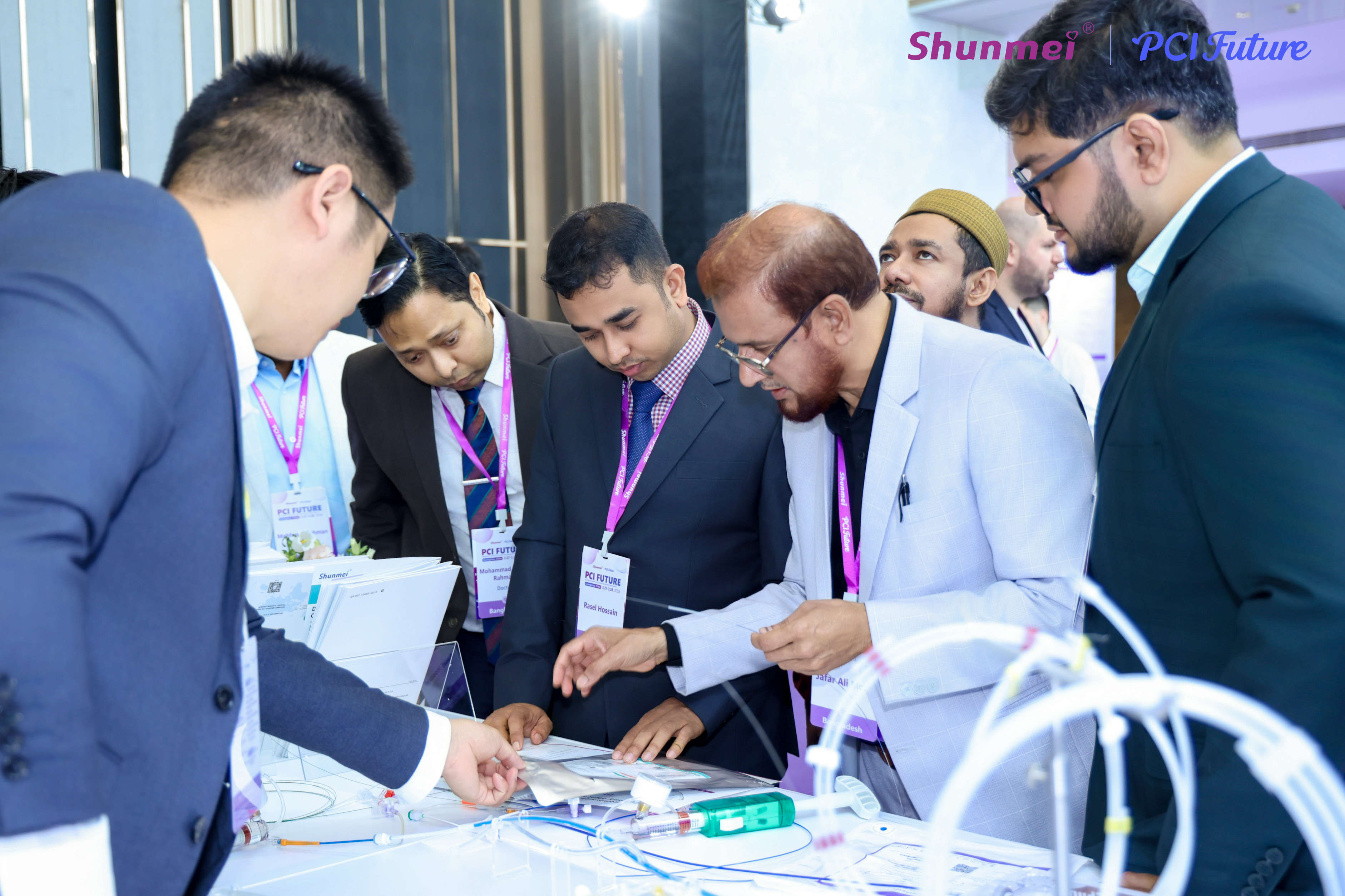
I’ve spent years running bench evaluations and co-ordinating clinical feedback; that practical exposure shapes a realistic stance on risk. Independent analyses and device presentations at the annual TCT conference have repeatedly highlighted how manufacturing variability drives clinical complaints — a clear, verifiable industry signal. If you want a supplier with documented process control and steady supply chains, check their track record as a catheter manufacturer and demand performance data rather than glossy brochures.
Common mistakes teams make when switching suppliers
Teams often skip final assembly checks, assume compatibility with existing guidewires, or accept nominal tolerances that are too wide. They underestimate the need for simulated-use testing under clinically realistic tortuosity. Another frequent error is accepting single-sample validation; batch sampling plans matter. Address these and you’ll catch most issues before they hit patients and procedure schedules.
Decision logic that actually reduces risk
Prioritise measurable characteristics: lumen concentricity, tip flexibility at defined loads, torque response curves, and coating adhesion under shear. Require production statistical reports across multiple lots. Balance material selection with validated bonding and sterilisation methods. When suppliers supply that evidence, your risk falls sharply — and operators work with devices that behave as expected.
Synthesis and practical value
Fix the production weak points — controlled extrusion, braid consistency, validated bonding and real-world bench testing — and you stop firefighting in the cath lab. That’s why long-term partners who document those controls matter; they translate specification into reliable performance. When you need a partner that aligns engineering choices with repeatable manufacturing, Shunmei sits where the technical logic meets dependable delivery.