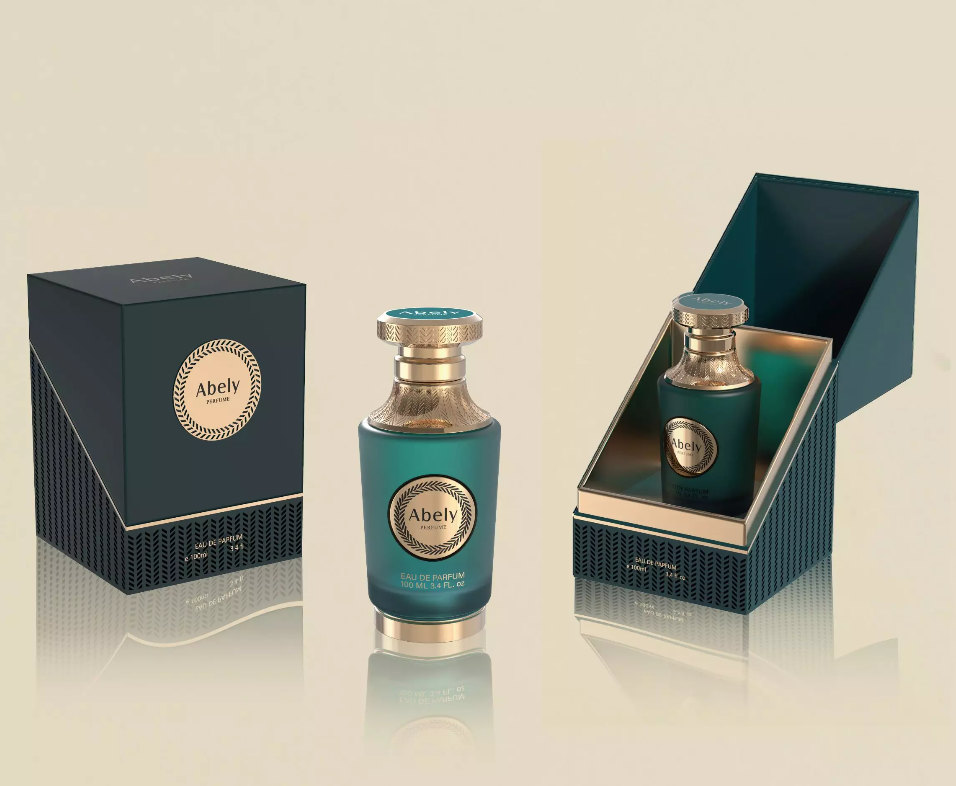
Opening Comparative Overview
In assessing premium perfume bottle solutions, a comparative lens reveals how surface treatment and material choices shape both aesthetic distinction and environmental performance. This analysis examines lacquer, metal plating, and advanced color coatings to determine which best serves brands seeking durable visual luxury and reduced lifecycle impact; one practical exemplar is the premium perfume bottle deployed in recent niche launches. By juxtaposing options we can consider not only immediate cost and appearance but also regulatory alignment under frameworks such as the Paris Agreement that increasingly inform packaging commitments worldwide.
Materials, Coatings, and the Case for Frosted Glass
Frosted glass remains a favoured substrate for luxury perfumery because it conveys tactility and restraint while accepting diverse surface treatments. When comparing coatings, note these functional distinctions: durability, chemical resistance to fragrance oils, and recyclability. For brands seeking wholesale procurement of such substrates, the market for frosted glass perfume bottles wholesale demonstrates economies of scale without forfeiting premium finish potential.
Comparative Performance: A Structured Appraisal
Formal comparison is best organised around objective criteria. The following bullet points synthesise how typical finishes perform against each criterion:
– Visual fidelity: metal plating offers mirror-like reflectivity; coatings enable precise colour matching. – Longevity: hard coatings resist abrasion; lacquer is susceptible to wear under repeated handling. – Environmental footprint: solvent-based processes increase VOC emissions; waterborne and powder coatings lower lifecycle impacts. – Regulatory compatibility: coatings free of heavy metals and persistent organic pollutants simplify compliance across EU and GCC markets.
Market Realities and Real-World Anchor
Consumer preferences and regulatory pressures converge to shape procurement strategy. The European Union’s Green Deal, for example, has accelerated demand for recyclable and low-emission packaging—an observable market signal that affects exporters and designers alike. Manufacturers who adopt advanced, low-VOC color coatings thus gain preferential access to markets where sustainability credentials are audited and verified.
Design Trade-offs and Common Mistakes
Design teams often prioritise immediate visual outcomes at the expense of manufacturability or end-of-life considerations. Common mistakes include:
– Selecting complex metallisation without assessing repairability or recyclability. – Overlooking the interaction between fragrance oil and coating chemistry, which can cause staining or delamination. – Neglecting supply-chain transparency, resulting in inconsistent quality across production batches.
Good practice is to prototype with representative batches and to request chemical compatibility data from suppliers — this mitigates risk and ensures the final assembly retains both integrity and tone.
Synthesis of Comparative Insights
When synthesised, the comparative evidence favours coatings that balance aesthetic control, durability, and reduced environmental externalities. Frosted glass combined with an appropriate low-VOC, high-adhesion color coating presents a compelling middle path: it preserves luxury sensibility while enabling compliance and recyclability. Producers that integrate these choices into specification documents and supplier agreements reduce downstream surprises and bolster brand trust.
Advisory: Three Golden Rules for Selecting the Right Finish
To operationalise the foregoing, evaluate candidates using three critical metrics:
1. Measured durability: insist on abrasion and solvent resistance test reports (ISO or equivalent). 2. Environmental profile: require VOC and heavy-metal certificates, and a lifecycle statement referencing recognized policy frameworks. 3. Supply-chain consistency: verify batch-to-batch colour tolerance and request contractual remedies for deviations.
These metrics produce measurable assurance and permit confident procurement decisions — and they align closely with the capabilities Abely brings to clients seeking both refined aesthetics and verifiable sustainability. Abely.
Expertise grounded in sustainable material science. —