Introduction
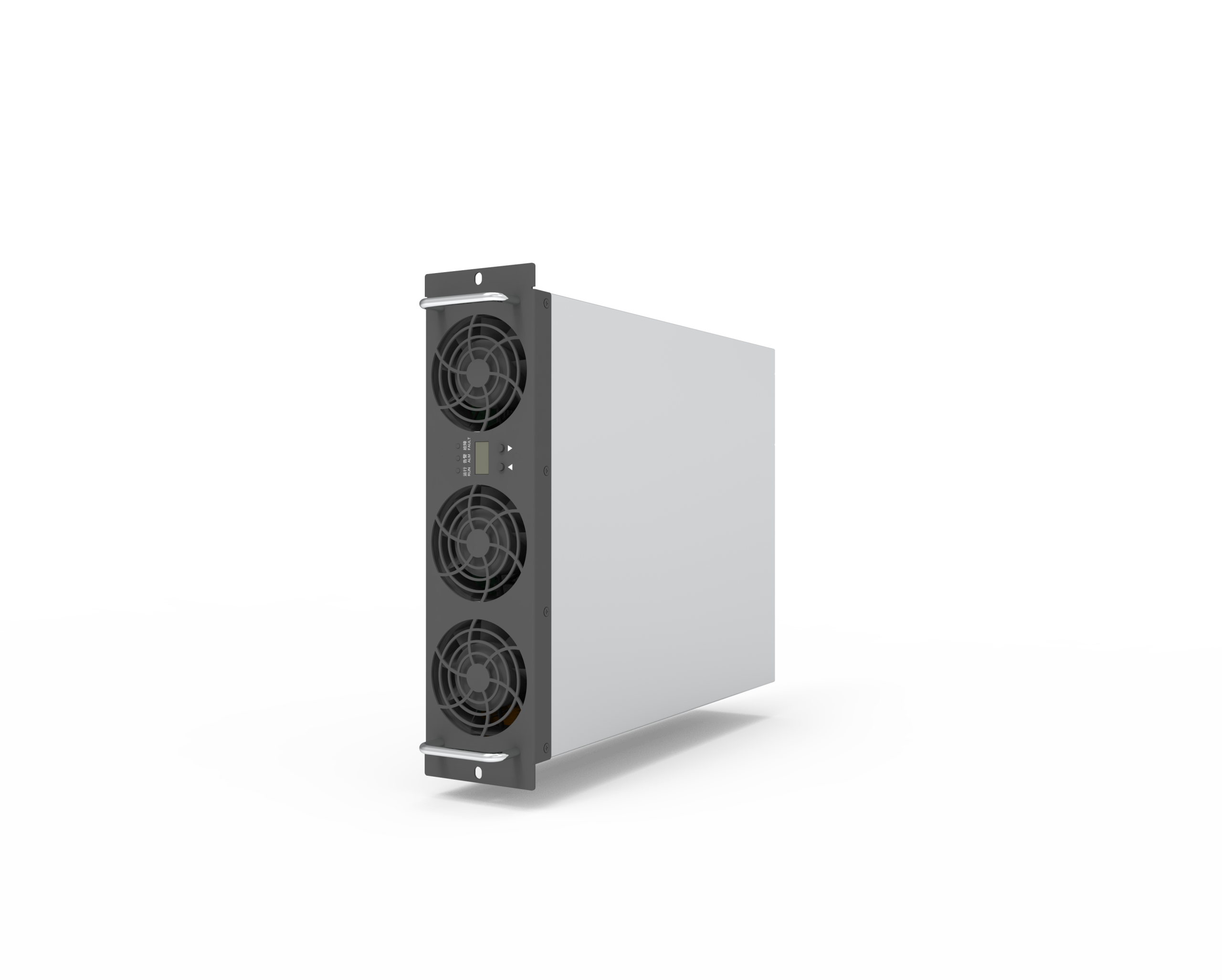
Here’s the blunt truth: energy that sits idle is money left on the table. Your charge discharge module decides where that money goes, and when. Picture a depot in Kwun Tong at 6 p.m., vans rolling in while the grid runs hot, and every kilowatt matters. Many cities see evening demand jump by 20–30% over mid-day. So, should your fleet soak up power, or push it back out as reserves—right now? The answer sits in the control plane and the hardware path (yeah, a bit cha chaan teng chat, but practical). Tools like the V2G Power Module for EV Charger change the equation by making that decision fast and safe. But even with shiny gear, old habits creep in. Operators still overbuild buffers, ignore thermal derating, and let latency eat margins. Funny thing: the “simpler” setup often costs more over a year—funny how that works, right? If you run fleets, microgrids, or edge computing nodes, you feel it in peak bills and downtime. Question is, which design choices unlock real flexibility without adding chaos? Let’s break it down and see where the gains hide.

Where Traditional Paths Falter (and What to Fix)
Why do legacy designs stumble?
Let’s go technical, clear and low drama. Classic charger stacks treat the DC bus as a one-way street, bolting on bidirectional modes later. That patchwork creates higher harmonic distortion and clunky power factor correction. It also starves the control loop. When the grid signals a frequency event, response is slow, so you miss revenue windows. A unified topology—AC/DC stage plus DC/DC stage built for two-way flow—cuts those delays because the current path is clean by design. Look, it’s simpler than you think. Start with a module that natively supports inverter efficiency at high partial loads, not just at lab-rated peaks. The V2G Power Module for EV Charger is one example of how consolidated control plus fast switching trims losses where it counts.
Heat is the quiet bill. Old stacks throttle early due to uneven cooling, so thermal derating kicks in during the evening rush—just when prices spike. That’s how you lose twice: less export capacity and higher internal loss. Then there’s firmware fragmentation. If the charger, gateway, and EMS can’t coordinate FOTA updates, you run mismatched rules for months. Small drift, big waste. Design for synchronized control, grid-tied inverter compliance, and real-time telemetry. Add line-side filtering to tame EMI before it becomes a site headache. Do this, and the same site footprint pushes steadier power with fewer alarms—and fewer truck rolls, la.
Comparative Insight: New Principles for a Flexible, Bankable Stack
What’s Next
Now let’s look forward—semi-formal, apples to apples. Old vs. new is not just silicon; it’s coordination. New technology principles tie the charge path and discharge path under one scheduler. The DC bus becomes a shared asset, not a constraint. Policy enters as code: peak shaving, frequency response, and backfeed limits sit in one ruleset. With modules sized for fine-grained steps, your system can ramp in seconds, not minutes. Add grid codes as profiles, and the site adapts per feeder. That’s where solutions like bidirectional EV charging 170 capacity modules fit in naturally—right-sized blocks that play well with EMS logic. You gain better power converters efficiency at partial load, smoother power factor correction across ramps, and fewer surprises during transients. Small parts, big calm.
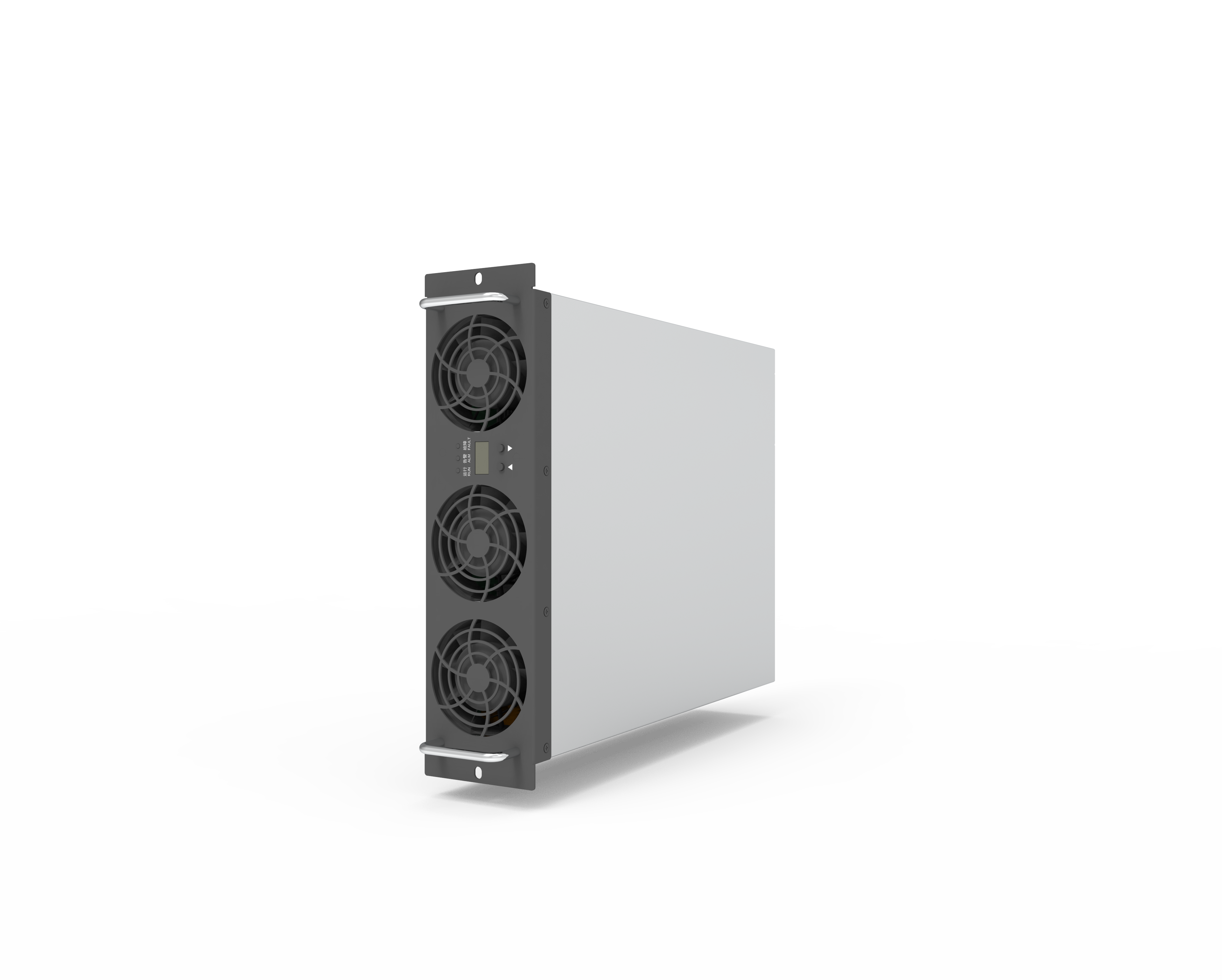
From the earlier points, we learned that slowness, heat, and scattered firmware sink value. So, what should guide your pick—today and next year? Use three lenses. First, dynamic response: measure millisecond control latency from grid signal to current flow, not just headline kW. Second, lifecycle efficiency: track inverter efficiency at 20–60% load, plus heat maps during hot days. Third, orchestration quality: confirm one rules engine for import/export, V2G, and safety trips—no hidden hand-offs. Get these right and your site earns more from the same hardware— and that changes the game. If there’s a takeaway, it’s this: a smarter charge discharge module is not only about watts; it’s about when, how, and how smoothly you move them. For deeper technical references and module options, see winline EV charging.