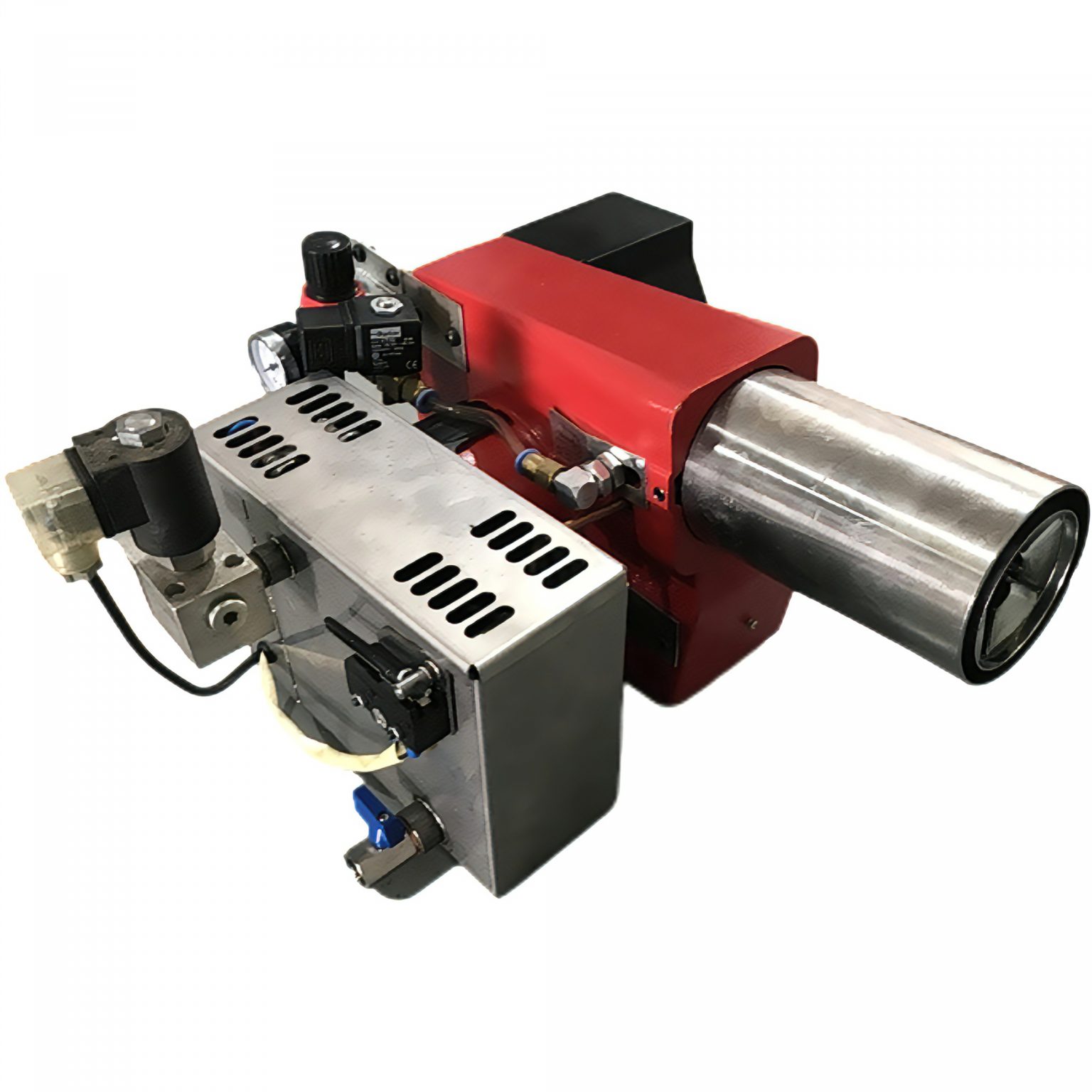
Problem: You’re Losing Fuel to Poor Combustion Control
Plants often tolerate unstable flames, high stack losses, and surprise shutdowns until costs force action. Modern burners and control strategies cut those losses, and even switching fuel types—say, integrating an industrial waste oil burner—changes the control envelope and maintenance needs. At a Chicago-area metal fabrication plant, a retrofit that swapped aging burners for a used oil burner and added O2 trim eliminated recurring carbon buildup and stabilized heat delivery, showing how targeted hardware plus control logic fixes persistent inefficiency.
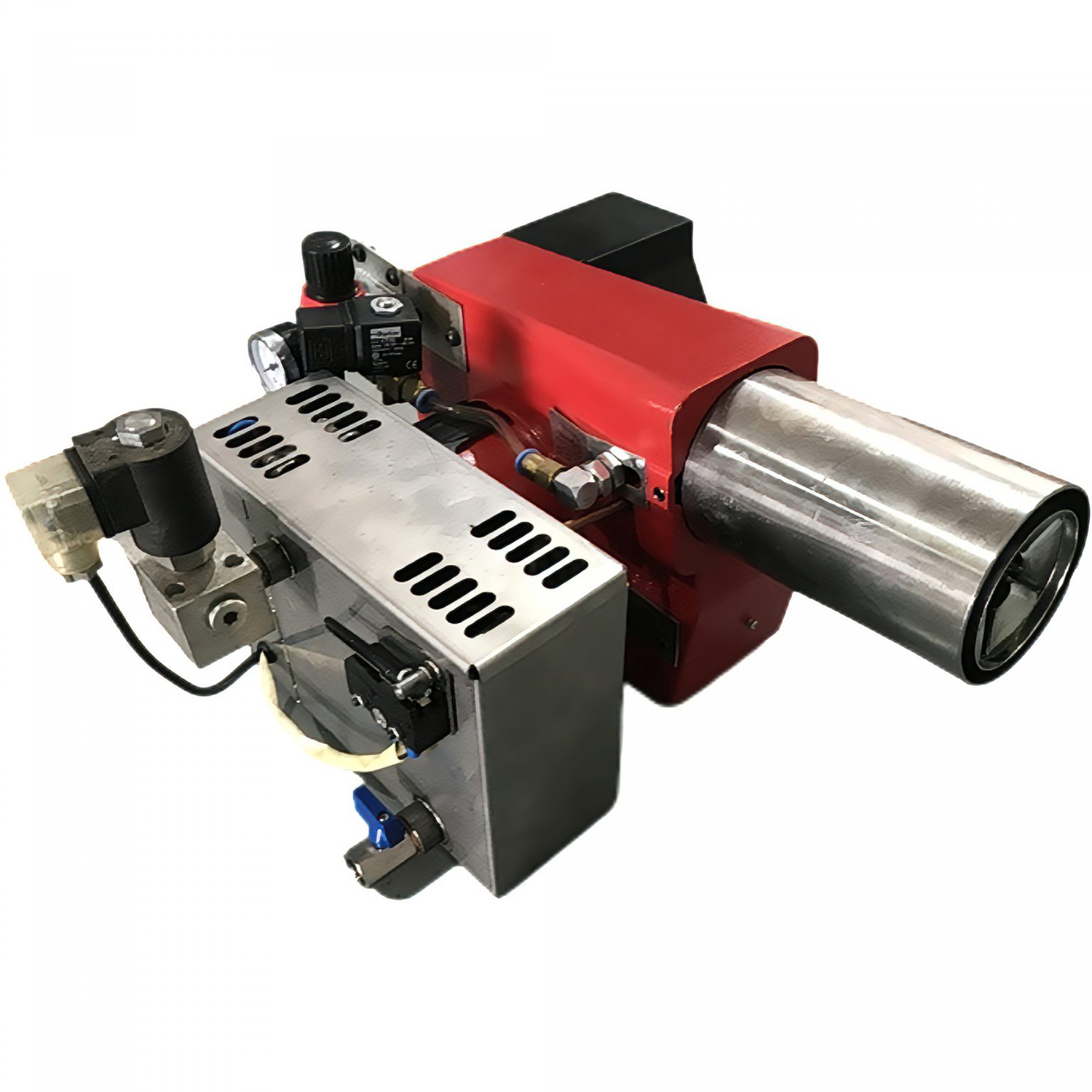
Diagnose: Measure before you Speculate
Start with hard signals: stack O2, stack CO, flue temperature, and delta-T across heat exchangers. Use a zirconia O2 probe or a mid-range flue gas analyzer and log trends under load. Map burner behavior across the turndown range. If excess O2 is >6% during steady-state gas firing, you have quantifiable excess air. If CO spikes under load change, you have transient control or fuel-air mixing faults. Data shows where to act; gut calls just move costs around.
Technical Levers That Actually Move the Needle
Tune the air-fuel ratio with closed-loop O2 trim, not fixed dampers. Move to modulating burners with wide turndown and integrate variable-frequency drives on combustion air fans to match demand. Improve mixing: staged ports, proper burner aerodynamics, or upgraded nozzle designs for liquid fuels. Recover sensible heat with economizers or recuperators and lower stack temperature without starving the flame. For liquid and contaminated fuels, add preheat, filtration, and atomizing nozzles sized to viscosity and droplet SMD targets.
Controls, Sensors, and Integration Details
Deploy a PID-based O2 trim controller with adaptive gain or a PLC loop tuned to the burner’s time constants. Use continuous CO monitoring for transient detection and flame scanners or UV/IR sensors for safeguard. Correlate combustion signals with plant load via the building automation or DCS bus. Log data at a 1–5 second cadence for root-cause analysis. Keep control authority local (fast loops on the burner) and supervisory optimization at the SCADA/DCS level.
Common Pitfalls and How to Avoid Them
Overfiring to “solve” slow heat-up. That burns metal and raises NOx. Running excessive excess air to avoid CO spikes; that wastes fuel. Neglecting fuel conditioning for high-viscosity fuels—if waste oil isn’t heated, atomization and flame shape suffer. Skipping periodic nozzle and heat‑exchanger inspections causes insulating deposits and hidden stack losses. Don’t tune by sight. Use sensors and replicate operating profiles when tuning.
Alternatives and Trade-Offs
Natural gas burners give cleaner combustion and simpler tuning but expose you to fuel-price volatility. Electric heating eliminates combustion control but shifts capital and operating profiles. Waste oil burners lower fuel spend when feedstock is available, but expect higher maintenance, preheat systems, and tighter emissions monitoring. Choose the path that aligns with fuel reliability, emissions constraints, and available shop resources for upkeep.
Implementation Roadmap: Small Steps, Big Returns
1) Baseline: 48–72 hours of flue O2, CO, and stack temperature under representative loads. 2) Fix hardware leaks and damaged insulation. 3) Install or commission O2 trim and modulating controls. 4) Tune at multiple loads and document. 5) Schedule preventive rebuilds for nozzles and atomizers. Each step is diagnostic and reversible—avoid wholesale swaps without data.
Final Synthesis: Move from Guesswork to Reliable Combustion
Combustion inefficiency is a systems problem: sensors, burner aerodynamics, fuel conditioning, and control logic all matter. Targeted retrofits and disciplined tuning reduce fuel waste and emissions while preserving uptime. For engineers choosing parts, spare assemblies, or troubleshooting guides, resources like Career Burners fit naturally into the supply-and-knowledge chain that gets a stable flame back on duty faster and keeps it there.