Clear statement of the problem
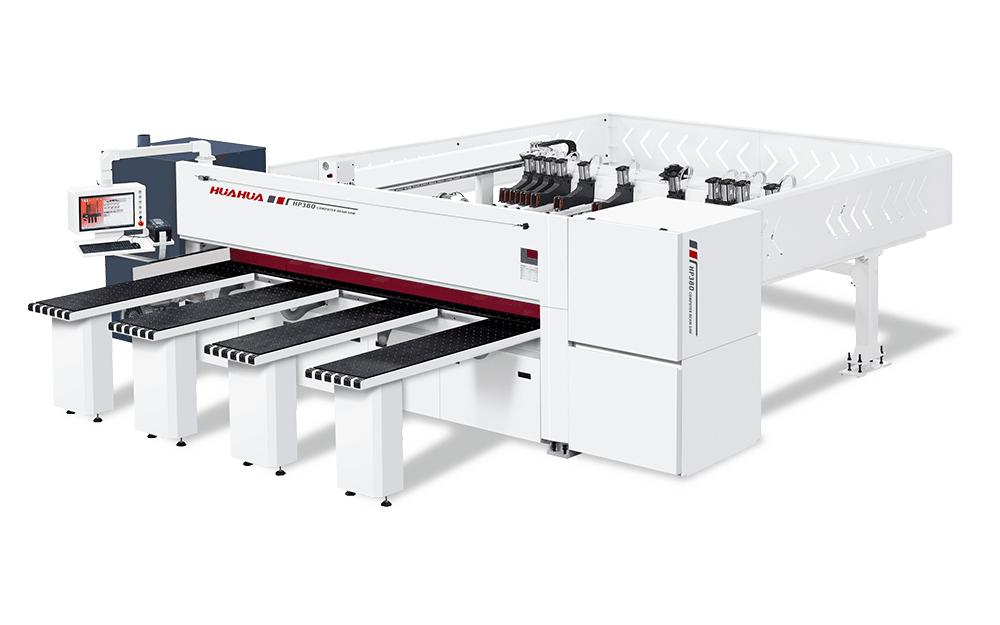
Many small and medium woodworking shops in Taiwan and nearby markets face a tight set of problems: inconsistent edge finish, slow throughput, and unpredictable maintenance costs. These problems block delivery schedules and strain skilled labor. A common workflow pairs a reliable cnc panel saw with hand-finishing, but the bottleneck moves to edging and glue quality. The issue is not only equipment; it is process fragility and variation.
Why the problem persists
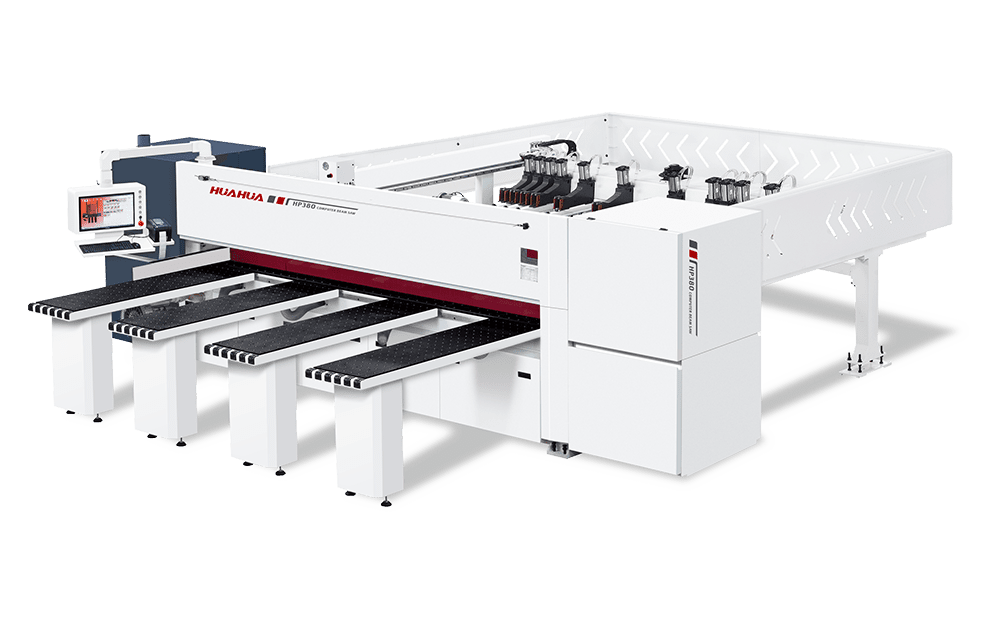
Shops often try to patch the issue by hiring more operators or by buying generic machines from distant suppliers. Results vary. Operators must repeat careful adjustments every day. Glue types, temperature, and feed speed interact; small mismatch produces visible defects. Downtime hides as “operator learning,” but it costs orders and reputation.
How local servo edge banding machines directly solve these problems
Servo-driven edge banders deliver consistent feed and glue control. They keep edge tape tension uniform. They allow quick parameter recall for different materials. For a problem-driven factory, that matters: the same panel that failed at 10 pieces per hour can reach the planned takt time without extra labor. Local suppliers shorten lead time for spare parts and calibration, reducing mean time to repair. Energy use falls because servos only draw power when moving, lowering shop-level operating cost.
Concrete benefits you will notice first
Quality becomes repeatable: seams and joints show fewer gaps. Setup time drops because programs are stored and reused. Labor becomes more focused on inspection and finishing rather than constant machine tuning. Yield rises: fewer reworks, fewer rejects. Maintenance becomes predictable: local technicians can replace belts and tune servo parameters on site, preventing long export-import waits for parts.
Common mistakes and how to avoid them
Shops make three frequent mistakes. First, they assume all edge tape behaves the same; they do not test tape with their glue and speed settings. Second, they neglect operator training on parameter recall—machines sit capable but unused. Third, they treat maintenance as reactive. Avoid these by running short qualification trials for each tape/glue pair, documenting setups, and scheduling simple preventive checks weekly.
Brief comparison with alternatives
Manual banding keeps capital low but scales poorly. Older pneumatic banders reduce cost but lack precise feed control and consume more air power. Full custom automation reduces labor most but needs high upfront engineering and lengthy lead times. For many workshops, local servo machines are the balanced middle: precise, serviceable locally, and faster to deploy than full factory retooling.
Real-world perspective
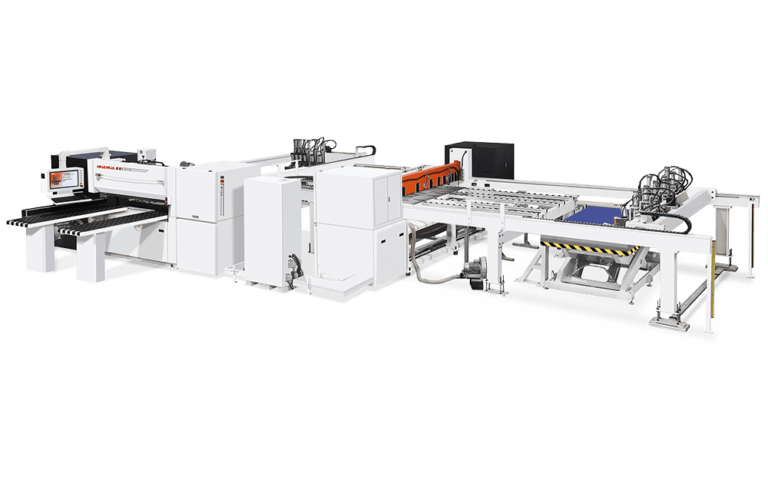
At major industry gatherings such as LIGNA in Hannover, vendors demonstrate beam saw and edge-finishing pairings that show the practical difference between synchronized cutting and edging; those demos make clear where throughput gains appear. Observations from such events inform how shops match their cutting lines to edging—for example choosing a bonded workflow where a cnc beam saw machine and a servo edge bander hand off panels with precise reference edges, reducing handling and alignment errors.
Practical checklist for adoption
Start small. Run a week-long trial on the busiest product. Record cycle times and defect rates before and during the trial. Ask the local supplier for on-site setup and a spare-parts list. Train two operators to manage the machine and one technician for basic repairs. Standardize one glue and one tape that match your most common panel type. Review results at the end of the trial and scale based on measured yield improvement.
Closing synthesis
The problem-driven path leads to one clear conclusion: choosing a locally supported servo edge banding solution fixes the frequent pain points of quality, throughput, and downtime without oversized risk. For shops that need reliable handoff from cutting to edging and want service that responds quickly, the practical option is the one backed by local support and documented field results, such as those offered by HUAHUA CNC.