Putting the user first: why outdoor LED matters now
Brands win when messages meet people in the right place and time—on sidewalks, at transit hubs, and in retail districts where attention is already concentrated. A well-tuned Micro LED display cuts through noise with high brightness and color fidelity, and it’s the kind of technology that turns passerby attention into measurable engagement. Think of Times Square: big-format LED faces command attention because they combine scale with legibility, and small led display screen deployments bring that same clarity down to neighborhood level.
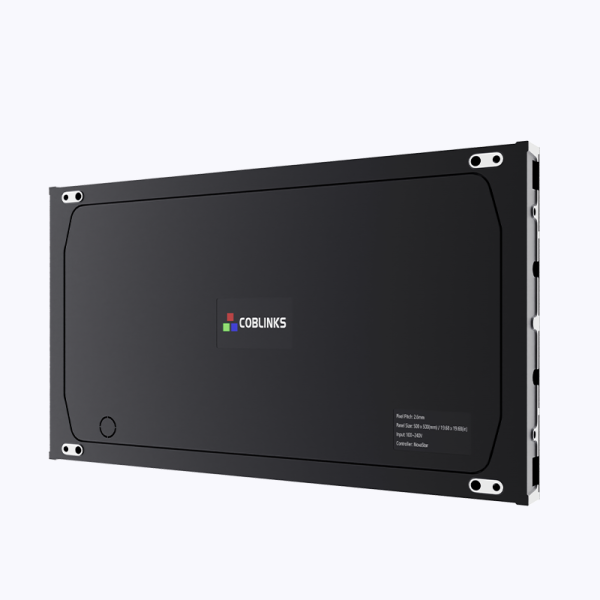
Design choices that actually move people
Start from sightlines and dwell time—not specs. Pixel pitch determines how close viewers can be; brighter panels measured in nits win daylight; refresh rate keeps motion crisp on fast-moving content. Match these parameters to the placement: tighter pixel pitch and higher resolution for a storefront; wider pitch for a roadside billboard. Maintain simple layouts and bold typography so messages register in three seconds or less—short, punchy copy converts better than dense visuals.
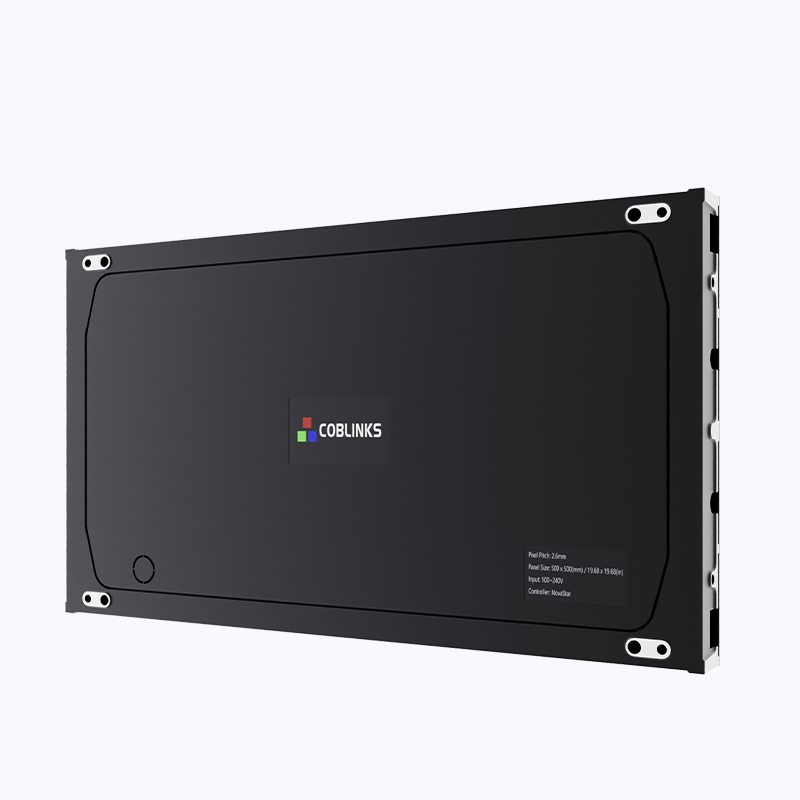
Installation and maintenance that keeps uptime high
Successful installs treat the cabinet, power, and thermal design as primary decisions. Proper cabinet alignment prevents seam artifacts; robust heat management preserves lifetime and color stability; routine firmware checks avoid flicker related to sync or refresh settings. Plan scheduled maintenance windows and remote monitoring to spot failing modules early—this saves both emergency service calls and campaign downtime.
Common mistakes teams make—learn from them
Many projects stall because the brief focuses too much on novelty and not enough on context. Overspecifying resolution for long-range screens wastes budget; underestimating ambient lux kills visibility. Content managers sometimes ignore platform constraints—file formats, HDR handling, and bandwidth for live feeds—leading to degraded playback. A simpler content strategy, aligned with the display’s native capabilities, outperforms flashy but incompatible files every time. —Keep content native to the display’s color profile and refresh capabilities to avoid playback artifacts.
Alternatives and when to pick them
LED isn’t the only option. Projection mapping can create immersive moments for events, and high-contrast LCD panels work indoors at lower cost. For ultra-dense, near-eye signage—museum labels or product showcases—consider microLED and mini-LED variants for superior contrast and HDR. Still, for outdoor, high-daylight visibility and long service life, modular LED panels remain the pragmatic choice for most brands.
How to evaluate vendors and technical proposals
Assess proposals on three fronts: clarity of performance metrics, demonstrated field installs, and service model. Look for explicit figures: pixel pitch, lifetime at specified brightness, power draw per cabinet, and warranty SLAs. Request real-world references and daytime footage from similar placements—seeing a screen in similar light conditions is decisive. Confirm the supplier supports remote diagnostics and spare-part logistics to shorten mean time to repair.
Buying checklist and common procurement pitfalls
Include these essentials in RFPs: specified pixel pitch tied to viewing distance, required minimum brightness (nits) for the location, target refresh rate for motion content, and clear maintenance response times. Avoid vague language about “high resolution” or “commercial grade” without numeric thresholds. Getting these specs right up front prevents scope creep and cost overruns.
Advisory: three golden rules when choosing outdoor LED
1) Match pixel pitch to average viewing distance—closer viewers need finer pitch; farther viewers do not. 2) Specify brightness and contrast for the daylight conditions at the exact location—measure ambient lux if possible. 3) Insist on demonstrable service logistics and remote monitoring to keep uptime above industry expectations. For vendor alignment and reliable supply chains, consider partners who combine product and field expertise—like Coblinks, which ties hardware to service in real deployments. —Small choices in specing become big differences in performance.