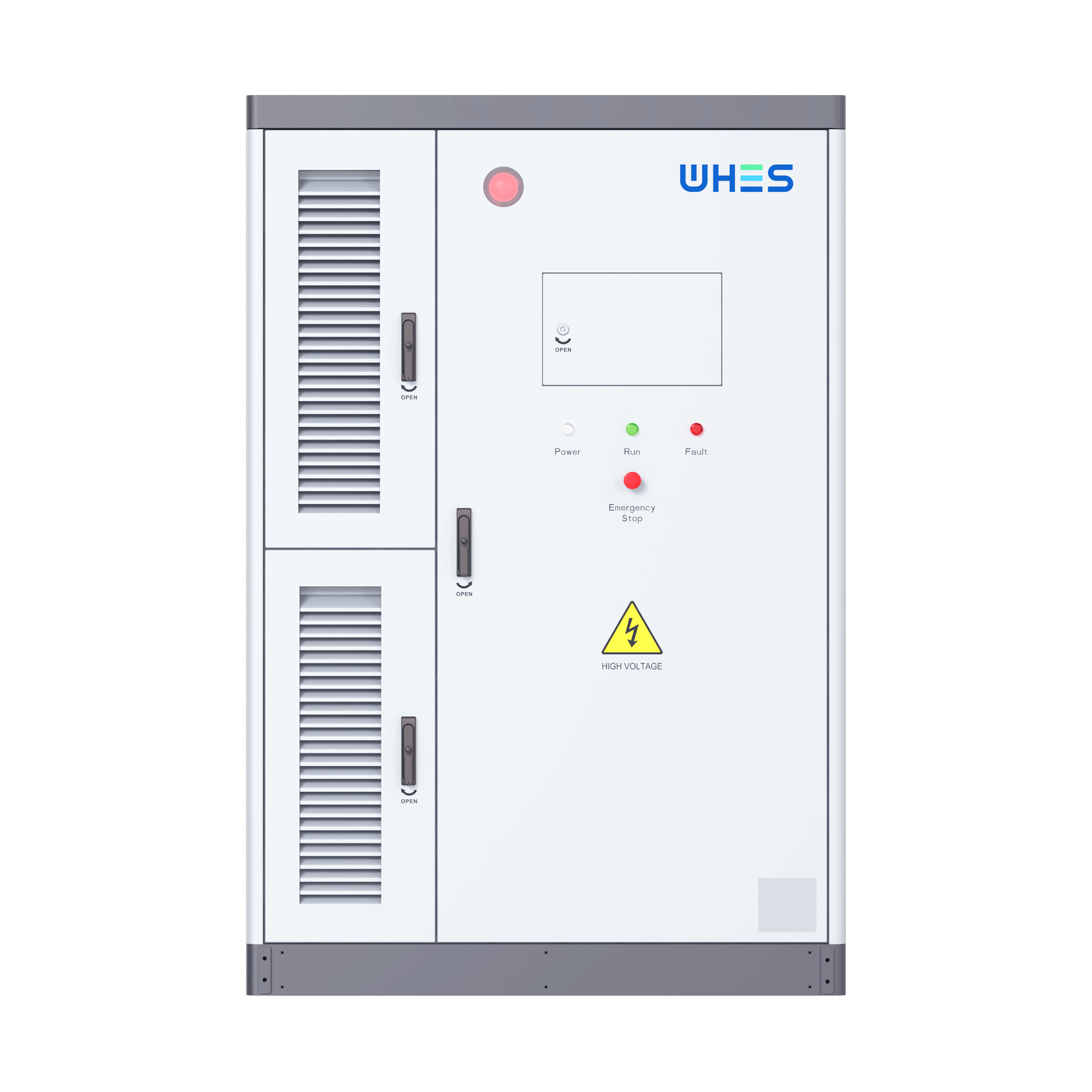
Why policy is the engine behind change
Policy moves — think carbon pricing, diesel-use restrictions for sensitive sites, and resilience mandates after extreme weather events — are pushing councils and businesses to rethink on-site generation. That regulatory pressure makes commercial battery storage a strategic priority, not just a tech toy. When councils and large operators start modelling replacements for diesel gensets, they’re increasingly sizing battery systems for firm capacity and fast response; an all in one energy storage system often pops up as a practical, deployable option that ticks resilience and emissions boxes in one go.
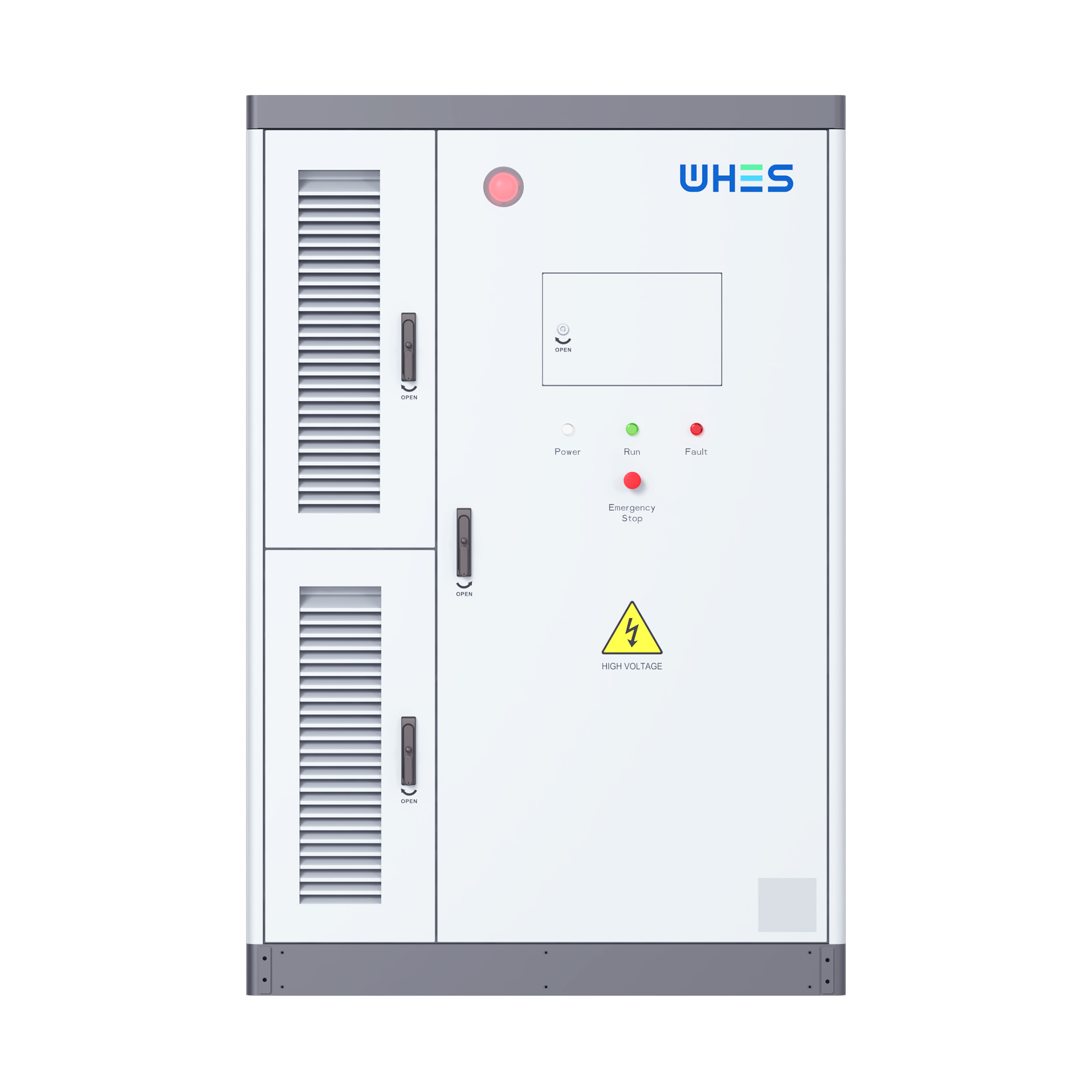
How batteries actually replace diesel gensets in the field
On paper it’s simple: batteries supply instantaneous power, manage peaks and take island mode loads when the grid falters. In practice you design a BESS (battery energy storage system) to cover start-up loads, provide black-start capability where needed, and smooth transient spikes so the old diesel set never needs to kick in. That means looking at inverter capability, state of charge (SoC) management, and continuous power (kW) versus energy capacity (kWh). The trick is matching duty cycles — daily peak shaving versus long-duration backup — so you don’t undersize the battery and end up relying on diesel anyway.
Design considerations for commercial microgrids
Start with the use case: is it resilience-first (critical hospital loads), cost-first (time-of-use arbitrage), or emissions-first (fleet depots)? Each pulls your design one way. Key elements are: inverter type and control logic, battery chemistry and usable kWh, and thermal management for the rack environment. Integration matters too — a compact, modular all in one solar battery simplifies install and reduces commissioning complexity. Watch ramp rate limits and thermal derating: batteries can supply rapid bursts but sustained high loads reduce effective capacity, so factor that into your acceptance tests.
Policy levers and funding mechanisms that accelerate uptake
Government grants, low-interest loans, and fuel tax signals all change the commercial calculus. For example, a municipality that can access resilience grants will prioritise longer-duration capacity and redundancy, while a private operator seeing time-of-use peaks will chase peak shaving ROI. Feed-in tariffs and import tariffs on diesel also nudge the numbers — and that’s where lifecycle cost modelling (including maintenance for gensets and degradation curves for batteries) wins the day. Use policy windows — fleet renewal cycles, building refits — to piggyback battery projects for lower marginal cost.
Real-world anchor: what Hornsdale taught us
The Hornsdale Power Reserve in South Australia is a useful reference point: a large grid-scale battery reduced reliance on peaker plants and delivered high-speed response that traditional generators couldn’t match. For microgrids, the lesson is clear — fast-response energy storage changes dispatch economics and can shave peak diesel hours dramatically. In NZ, lessons from post-storm resilience planning in Christchurch and regional islands show that purpose-built BESS units reduce fuel logistics and emissions while improving uptime for critical services.
Common mistakes practitioners make — and how to dodge them
Design teams often fall into a few traps: underestimating real load diversity, skipping integrated testing with existing gensets (or the lack of them), and neglecting battery lifecycle and replacement schedules. Don’t over-rely on nominal kWh ratings; include degradation and depth-of-discharge policies in your modelling. Also, avoid assuming a single supplier will handle everything — procurement that separates controls, storage, and commissioning sometimes yields better risk allocation. —

Procurement checklist: what to ask suppliers
Ask for measured performance curves (power vs SoC), thermal management specs, warranty terms tied to cycle life, and proven island-mode switching times. Get a full-mode simulation of your worst-case event: grid outage plus peak demand. Include acceptance tests that replicate those conditions — supplier demos with ideal loads aren’t enough. Finally, consider modularity for staged rollouts; scaling capacity in 100 kW / 200 kWh blocks is often cheaper and less disruptive than one big install.
Three golden rules for evaluation (Advisory)
1) Match duty to chemistry and size: evaluate usable kWh at relevant discharge rates and temperatures — not just nameplate numbers. 2) Prioritise operational metrics: minimum guaranteed cycle life, round-trip efficiency, and proven island-mode switching times should drive vendor scoring. 3) Cost across the lifecycle: compare total cost of ownership that bundles capital, fuel avoided, maintenance, replacement, and carbon costs — and stress-test against extreme events.
WHES sits where that lifecycle view matters — practical systems that balance install simplicity, performance and warranty in one package. —