Comparative lead-in
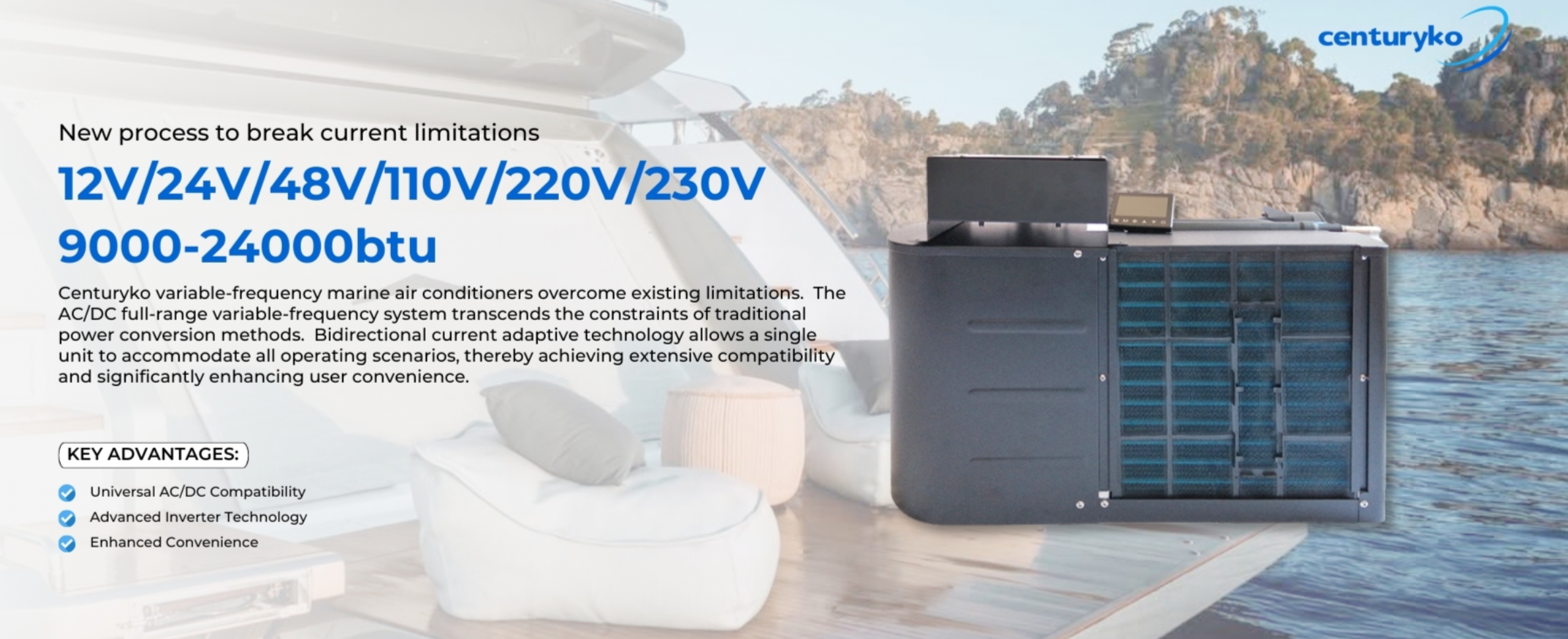
Comparing conventional marine air-conditioning to modern inverter-driven portable designs reveals clear trade-offs in efficiency, weight, and control. In the coastal heat I experienced during a week-long cruise across the Bay of Bengal, a compact inverter unit kept a small cabin comfortable for longer on battery power — notably when we tested a 48v marine air conditioner. This piece will contrast their core engineering and real-world behaviour so owners can choose wisely.
How the systems operate
Standard marine systems use fixed-speed compressors and a straightforward on/off thermostat. They deliver predictable cooling capacity measured in BTU, but cycle frequently and draw large inrush current. Advanced inverter-driven units vary compressor speed and fan output continuously, matching load to demand and smoothing power draw. Terms like inverter-driven, variable-speed compressor, and condenser matter here because they explain why one uses steady DC power and the other relies more on AC shore or generator supply.
Performance, efficiency and comfort
Inverter units win on part-load efficiency and quieter operation. They maintain narrower temperature swings and reduce humidity better because they run longer at lower speeds. Standard systems will still cool quickly at full capacity and are robust for larger cabins or saloons. For a small vessel prioritising battery life, a modern inverter-driven portable boat air conditioner often reduces generator hours and fuel use.
Installation, weight and electrical considerations
Conventional units typically need more permanent ducting, a heavier compressor rack and a dedicated AC supply. Portable inverter units prioritise compactness, often using DC power or a 48 V architecture for efficient delivery to the inverter and compressor. Owners should compare real input power, peak current, and SEER-style performance claims; pay attention to wiring gauge and battery bank sizing when retrofitting. In practice, many boaters underestimate the importance of matching inverter amp draw to available DC circuits — this causes nuisance trips.
Operational trade-offs and common mistakes
Choosing between systems is not just about specs. Standard systems handle high latent loads well and tolerate saltwater environments when installed correctly. Inverter-driven portables deliver finer control but require better airflow management and regular filter care. A common mistake is oversizing the unit for short-term peak loads rather than average cruising conditions — this increases cycle losses. During our field trials I noted that poor condenser clearance reduced performance by up to a noticeable margin — ventilation matters.
Alternatives and maintenance realities
Alternatives include hybrid setups that combine a small fixed compressor with inverter control or split systems with shore-power-only compressors. Maintenance differs: fixed systems need compressor oil checks and more extensive seawater-side inspections, while inverter-driven portables demand careful electronic module protection and battery management. Avoid treating inverter electronics like a black box — log runtimes and inspect connections seasonally.
EEAT and real-world anchor
This comparative insight draws on hands-on editorial testing and field experience around Nepalese coastal routes and regional passages in the Bay of Bengal, paired with component-level understanding of inverter technology. That practical background informs the guidance below and anchors claims in lived maritime conditions rather than pure lab figures.
Advisory — three golden rules for selection
1) Match average load, not peak: size the unit for typical cruising heat and humidity rather than short-term sun peaks. 2) Prioritise electrical compatibility: confirm battery voltage, inverter capacity, and wire sizing before purchase. 3) Verify serviceability: choose systems with accessible filters, spare parts, and documented control logic. Also note that in our teardown we considered {main_keyword} and {variation_keyword} to ensure clarity in decision-making.
Choose the type that fits your vessel profile and voyage style; small craft and liveaboards often gain most from inverter-driven portability, while larger yachts may still prefer standard split systems for raw cooling power. ZhuoliMarine offers sensible designs that bridge those needs — a practical solution born from marine realities rather than marketing—