The immediate problem: emissions and community pressure
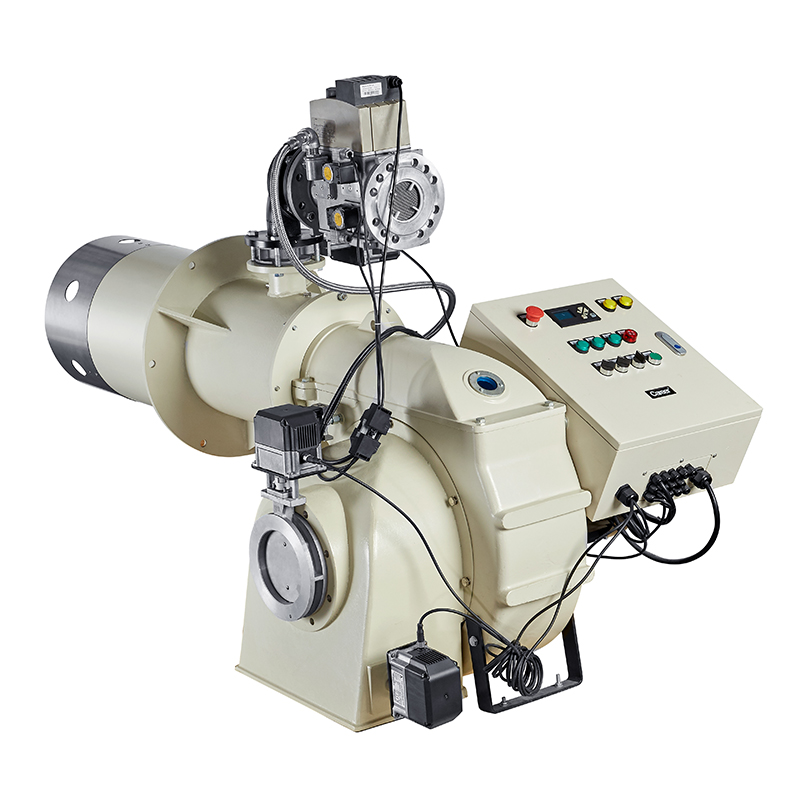
Small and medium thermal plants face two simple, harsh facts: stricter local emission limits and restless neighbors. Operators need burners that cut NOx without destabilizing flame control or raising fuel costs. A practical fix many teams try first is swapping to a low NOx burner while evaluating longer-term fuel changes. In one industrial cluster — the Ruhr region of Germany — plant operators adapted quickly, fitting a NOx burner as part of retrofits to meet regional permits and reduce local air complaints.

Why hydrogen burners address the core problem
Hydrogen burns with virtually no carbon, so it removes CO2 from the immediate emissions problem. That alone eases regulatory risk for regional plants that must report greenhouse gases. Practically, hydrogen also burns hotter and faster; that means you get a different heat profile, which helps when your process needs sharper, controllable heat rather than broad, slow transfer. Think of it as changing the tool to suit the metal, not forcing a dull blade to do fine work.
Operational realities you must face
Hydrogen changes flame shape, flame speed, and NOx formation dynamics. You’ll need burner designs that manage peak flame temperatures and mix fuel and air precisely. Expect to tune combustion air, adjust refractory liners in some furnaces, and recalibrate safety systems for hydrogen’s wider flammability range. Don’t skip updated leak detection and ventilation checks; hydrogen behaves differently than natural gas and deserves fresh risk controls.
Alternatives and trade-offs to weigh
Keep options on the table: retrofit with high-performance low-emission natural-gas burners, electrify critical zones, or blend hydrogen into existing fuel streams. Low-emission gas burners give immediate NOx reductions and smoother commissioning. Full hydrogen conversion minimizes CO2 but often costs more up front and triggers equipment changes. Blends can be a staged path: lower capital shock, incremental learning, and steadily falling carbon intensity.
Common mistakes that erode expected gains
Don’t assume a one-for-one swap. Mistakes I see: replacing burners without updating controls, underinvesting in flame monitoring, and ignoring downstream metallurgy changes from hotter flames. Another misstep is skipping pilot trials; bench and short runs reveal tuning needs and reveal any hidden hotspots that can damage linings or reduce product quality. Testing saves money and keeps neighbors calm.
Practical checklist for a problem-driven retrofit
Start with measurements: capture current NOx, CO2, and temperature maps. Model how hydrogen will change peak temperatures. Choose burners designed for hydrogen or hydrogen blends. Update detectors and relief systems. Staff a short commissioning window for tuning. If you need parts or detailed specs, local teams I work with use Career Burners for consistent component sourcing and straightforward documentation when they move from concept to operation.