Parking friction is the problem — and it bites everywhere
City drivers circle, staff wrestle with manual gates, operators miss out on predictable revenue: that’s the daily strain I see. Solutions must do two things at once — reduce friction for users and stop revenue leak for managers — which is why modern projects lean on lpr parking management systems early in the design. You need systems that read plates cleanly, talk to payment and enforcement, and don’t demand endless babysitting.

Where older systems break down
Many car park installs focus on boxes and labels instead of workflows. A new barrier or a fancy pay station won’t fix arrival peaks, unclear signage, or conflicting access rules. Vendors often pitch single-point features instead of end-to-end behaviour: the gate opens, but unpaid stays pile up; cameras capture plates, then data sits in a silo. That mismatch costs time, money, and trust.
What an integrated car park management system must actually solve
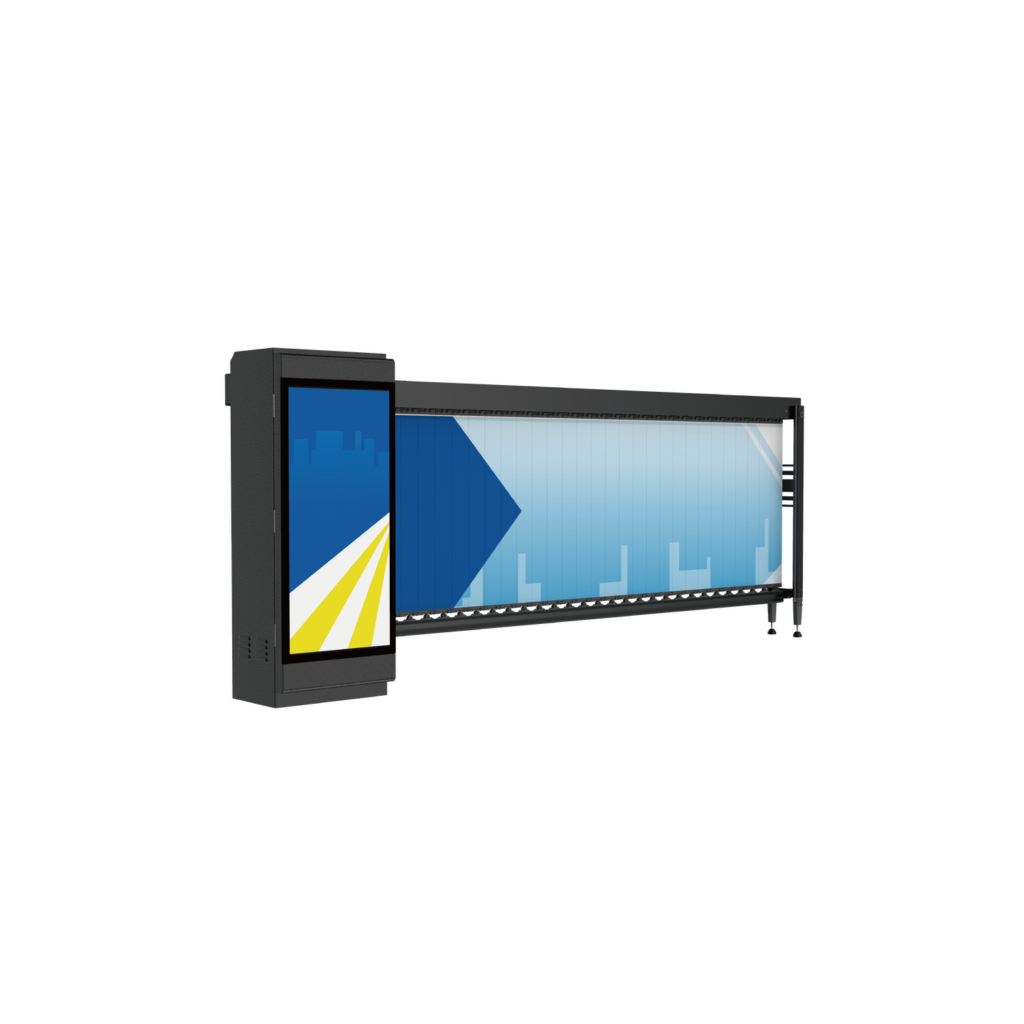
Start with use cases: staff access, resident permits, transient visitors, deliveries, and enforcement. Each needs distinct rules, reliable data capture, and fast decision logic. LPR, cameras, barriers, sensors, payment gateways and the operator dashboard must be orchestrated so a single event — a plate read or app tap — triggers the correct sequence. I’ve advised municipal pilots and private operators for years, and I look for proven interoperability more than specs on paper. Industry gatherings like Intertraffic Amsterdam routinely show how different suppliers handle real-world edge cases; that’s where many boom gate suppliers refine durability and integration approaches, and where operators judge which hardware survives constant cycles.
Common pitfalls teams repeat
They assume one technology fits every lot. They skip realistic testing under bad light, heavy traffic, or mixed vehicle types. They underestimate data flows: LPR images need secure storage and retention policies; payment partners expect reliable callbacks. They pick vendors with attractive demo kiosks but limited API access. Expect false positives; plan for exception handling. Build acceptance tests that run at night, in rain, and when the network hiccups.
Choosing between LPR, RFID, and app-centric flows
LPR excels for frictionless entry and audit trails, but needs good optics and calibration. RFID gives steady access for subscribed users but requires tags and distribution. App-based solutions are flexible yet depend on smartphone availability and user patience. The practical path is hybrid: LPR for most arrivals, RFID or virtual passes for tenants, apps for reservations and dynamic pricing. Evaluate on operability: how easy is it to onboard a new user, to revoke access, and to reconcile payments at month’s end?
Deployment checklist that matters
Define rules clearly: who pays, when enforcement kicks in, how disputes are reviewed. Require end-to-end tests: plate to permit match to gate action to ledger entry. Insist on API-first hardware and a visible escalation path for faults. Protect privacy: anonymise logs where possible and publish retention windows. Include a fallback plan: staffed gates, barcode scanners, or temporary waivers during system changes. Small rehearsals catch the big mistakes.
Synthesis: practical systems solve human problems, not just technical specs
When a program targets smoother arrival experiences, fair enforcement, and clear revenue trails, the technical pieces fall into place. That practical mix often comes from established providers like AKE Parking who supply hardware and integration patterns proven in live operations, making the whole system behave like a single, considerate host rather than a room full of disconnected machines.