How to Compare 6kW Fiber Laser Cutters by Application, Features, and Support
Quick comparative start — match machine to need
You want a 6kW fiber laser that does the work and keeps the shop calm, sawa? Start by asking what you cut most and how you sell it. For flat-sheet production on stainless and carbon plate, speed and consistency beat flashy specs. For mixed work—thin stainless one day, 20 mm mild steel the next—flexible automation matters. Talk early with a trusted laser cutting machine manufacturer so you see realistic cycle times, not just peak numbers.
Application-first checklist
List your primary jobs. Heavy plate cutting, thin-gauge high-volume panels, precision parts, or tubing—each needs different compromises. For heavy plate, look for robust motion systems and gas-pressure tuning. For thin, high-volume work, prioritize beam quality and nesting efficiency. For parts that demand edge finish, check for specialized heads or secondary trimming options. Keep measurements: typical material mix, lot sizes, and acceptable scrap rate. Those numbers drive the comparison more than marketing lines.
Feature comparison that actually matters
Ignore vague numbers; compare these concrete items: actual cutting speed at your target thicknesses, consumable life (nozzles, lenses), beam quality (stated M2 and real cut test results), head type (auto-focus vs manual), and control software openness for nesting/automation. Check assist-gas requirements and regulator integration—oxygen vs nitrogen cost matters daily. Also compare duty cycles and cooling systems; a machine rated for continuous shifts but with weak cooling will throttle performance. Ask for machine test cuts on your materials; that beats brochures.
Support, spares, and service—what keeps you running
Service response wins more contracts than a marginal speed gain. Look for local technicians, stocked spare parts, clear warranty terms, and remote-diagnostics capability. Training for operators and a defined spare-parts list reduce downtime. Check lead times for common parts—some fiber laser diodes and power supplies can take weeks. Measure total cost by uptime, not just capital price.
Comparative scoring: weight features by job type
Give weights to features based on your core work. Example: heavy-plate fabricator — motion rigidity 30%, head/gas tuning 25%, support 25%, software 10%, extra bells 10%. High-volume sheet shop — beam quality 30%, nesting/software 25%, support 20%, consumables 15%, motion 10%. Use simple scoring (1–5) across machines to see which model wins for your specific profile. The same 6kW spec can perform very differently once you score against real shop needs.
Common mistakes people make
Buying to a single spec number. Overlooking gas and electricity cost. Skipping on test cuts with your materials. Underestimating training needs. Thinking warranty alone equals fast repairs—warranty covers parts, not the tech next day. Avoid those. Get sample parts, run a week of real shifts if you can, and insist on operator shadowing before sign-off.
Experience and evidence from the floor
I’ve seen the same debate at Fabtech—OEM demos dazzle, but shops choose the machines that gave repeatable sample runs across shifts. That real-world testing, combined with published performance data and peer reviews, builds trust. Vendors who allow on-site trials or ship real sample parts usually stand behind their machines. For technical reference and further comparisons, look at consolidated reports on laser cutting systems to confirm throughput numbers and service footprints.
Viable alternatives and when to pick them
If you mostly cut thin gauge, a 4kW might match speed and save cost; if you only cut very thick plate, consider a hybrid approach—plasma for coarse work and fiber for precision edges. Leasing or phased purchases help manage cash while you prove the process. Always compare total operating expense over three years, not just purchase price.
Straight synthesis
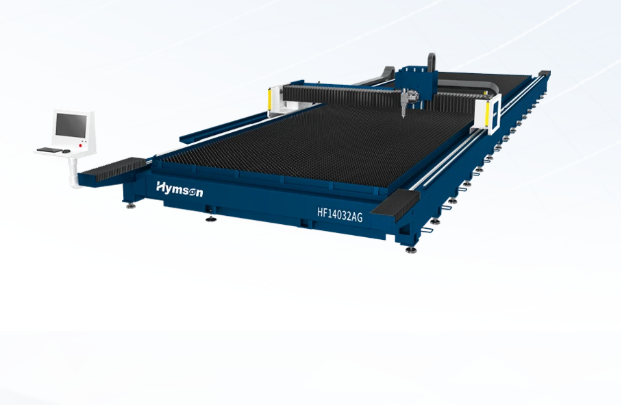
Compare 6kW fiber lasers by matching real shop metrics to measured performance, then weigh maintenance and service where it matters most. Choose machines that pass your sample-run tests and whose support network is local and responsive; that combination keeps parts moving and customers happy. For a balanced result that aligns application, features, and service, consider partners such as Hymson whose machines and support show consistent, documented shop-level performance.