Opening: why this comparison matters now
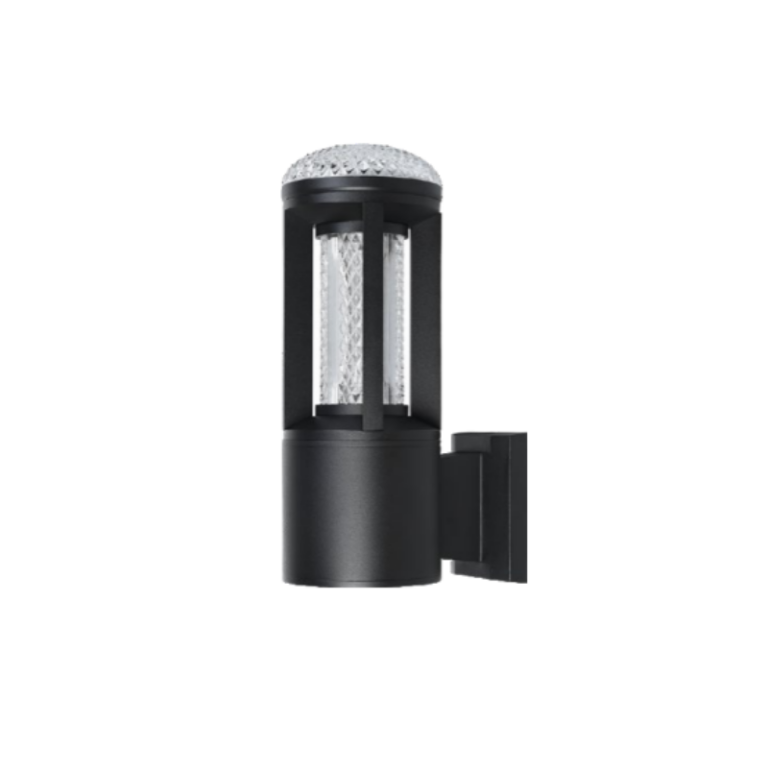
When you’re choosing an outdoor LED housing, you’re really choosing a lifetime: how long the finish resists salt and grit, and how well the fixture sheds heat to protect LEDs and drivers. This comparative look focuses on those two drivers — corrosion resistance and thermal dissipation — using practical checkpoints and on-the-ground thinking. If you’re specifying wall-mounted fixtures for a coastal boardwalk or a city façade, you’ll want options like waterproof outdoor wall lights and a certified ip65 outdoor wall lamp that meet IEC 60529 expectations; Miami’s harsh salt-air installations are a useful real-world anchor for what happens when design choices and environment clash.
Why corrosion resistance and thermal dissipation rule performance
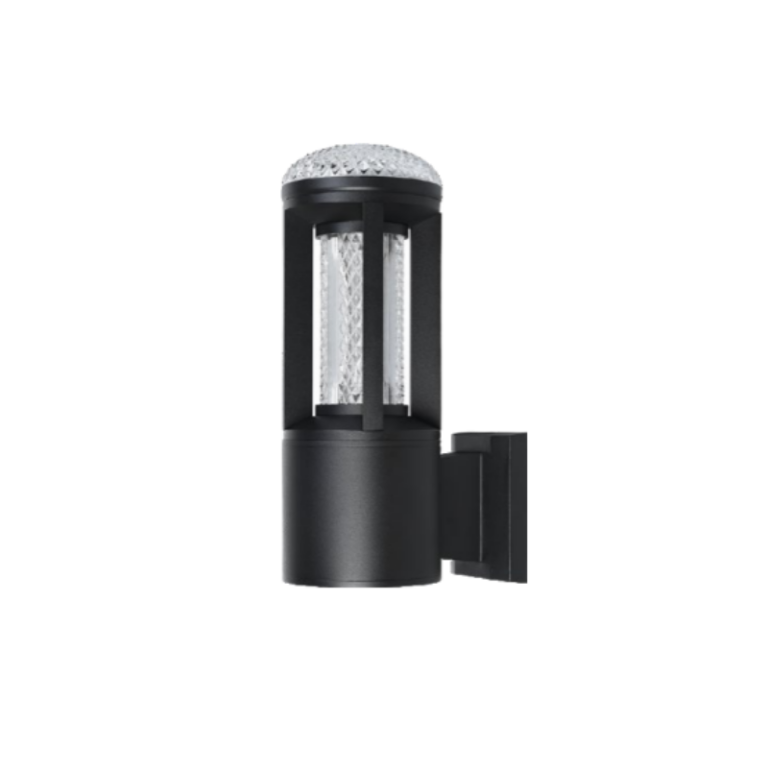
Corrosion eats metal slowly and quietly; poor heat management speeds LED lumen depreciation and driver failure. Together they determine uptime, maintenance cycles, and total cost. Corrosion resistance isn’t just a coating — it’s material choice plus finish plus detailing at seams and fasteners. Thermal dissipation isn’t just surface area — it’s the thermal path from LED board to ambient air, the heat sink design, and the enclosure’s ability to ventilate without compromising ingress protection. Think of them as twin chefs in a kitchen: one keeps the ingredient fresh, the other cooks it at the right pace.
Key comparative criteria to use at specification time
Use these practical, measurable checks when comparing housings and manufacturers:
- IP rating and test reports — confirmed by IEC 60529 test data for IP65 or higher.
- Material and finish — die-cast aluminum with anodizing, marine-grade stainless, or polymer composites with UV stabilization.
- Thermal path metrics — specified thermal resistance, fin geometry, and whether the LED module is thermally bonded to the housing.
- Detailing around seals and fasteners — gasketing method, CAP screws’ corrosion class, and drainage/weep design.
- Serviceability — replaceable drivers, modular optics, and access without breaking seals.
Material choices: quick comparative table in prose
Die-cast aluminum: strong thermal performance and widely used as a heat sink; it accepts anodizing and powder coating for corrosion protection. Stainless steel: excellent corrosion resistance in chloride environments but heavier and poorer at conducting heat than aluminum. Polymer composites: resist corrosion and are lightweight, but their thermal conductivity is low — they require internal heat spreaders or metal inserts. Each choice shifts the trade-off between thermal dissipation, weight, and long-term corrosion behaviour.
Design features that tip the balance
Beyond material, small details matter. Creeping corrosion often starts at joints and fasteners; specifying stainless or coated hardware and captive fasteners cuts that risk. For thermal performance, a continuous thermal path — the LED board pressed or bonded to an engineered heat sink — reduces junction temperature and preserves lumen output. Optical sealing, cable entry glands, and gasket compression patterns decide whether you get true IP65 protection in the field or just clean lab numbers.
Common specification mistakes — and quick fixes
Designers often assume an IP65 label means “maintenance-free,” or that powder coat alone will withstand salt air. That’s optimistic. Don’t forget to specify sacrificial anodes or marine-grade finishes where chloride exposure is severe. Also, skimping on thermal modelling leads to hidden stress on drivers — which then die early. A practical fix: insist on thermal simulations tied to real ambient profiles and request sample units for an accelerated salt-spray plus thermal cycle test — you’ll learn far more than lab sheets reveal. —
Coastal vs. urban environments: a comparative vignette
Place two identical fixtures in downtown Chicago and on a Miami pier and you’ll see different failure modes. In Miami, chloride-laden air accelerates corrosion at seams and hardware; the IP65 label matters, but so does sacrificial coating and stainless fasteners. In an urban canyon, particulate abrasion and higher ambient temperatures push thermal considerations to the fore. Both scenarios benefit from proven gasketing, CNC-machined mating faces, and tested heat sinks — but the priority order shifts with the site.
Three golden rules for choosing the right housing
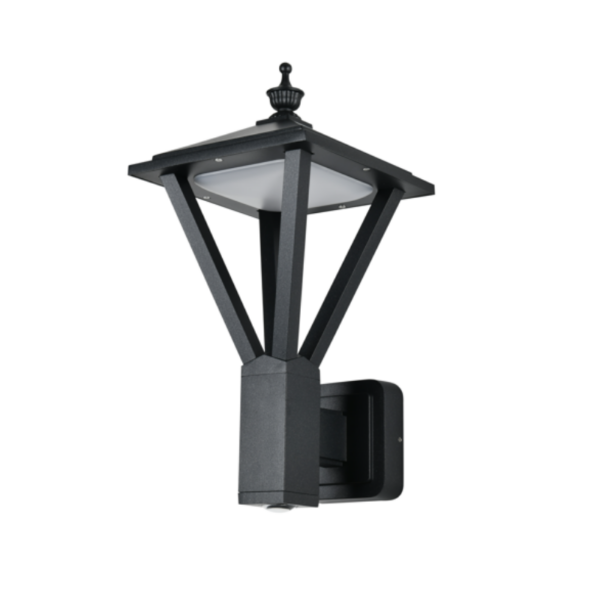
1) Measure what matters: demand IP test certificates, thermal resistance figures, and accelerated corrosion reports for the proposed finish. 2) Design for maintainability: favor modular housings with replaceable drivers and easily accessible seals so service crews can refresh consumables without replacing the whole fixture. 3) Match materials to environment: die-cast aluminum with anodizing and marine-grade hardware for humid/coastal sites; consider polymer composites with integrated metal heat spreaders where corrosion is extreme but weight must be minimized.
Following those rules narrows your vendor list fast and surfaces realistic TCO comparisons. For installations where waterproofing, corrosion control, and thermal stability must converge, a manufacturer that tests in real conditions and publishes IP and salt-spray results — and ties serviceability into the product family — becomes the practical choice. Keyida. – built to last.