Opening: why the numbers change everything
When you treat l limonene like a commodity you lose margin — and sometimes aroma integrity. A data-driven approach looks at yield, purity, and lead-time variability as primary drivers for commercial decisions, not just price per kilo. That shift matters when you’re moving from lab bench to full-rate production: small swings in terpene purity or supplier on-time delivery can cascade into retesting, reformulation, or delayed launches.

Core metrics that should guide sourcing
Measure these early and measure them often: (1) assay purity and enantiomeric excess (EE%), (2) consistent GC-MS profiles across batches, and (3) supplier lead-time adherence and lot-to-lot variance. Purity and EE% directly influence odor profile and stability; GC-MS traces help spot solvent extraction residues or oxidation products. Lead-time adherence is the operational metric — if your supplier misses the promised window, your fill line or seasonal launch suffers.
Sourcing realities and a real-world anchor
Look at how regional supply affects availability: California’s citrus harvests (Central Valley and coastal groves) influence essential-oil volumes during certain months, and that in turn affects market prices and spot availability. If you rely on seasonal distillates, build buffer stock or contract with producers who offer standardized distillation and rectification to control impurity profiles. Downstream, transportation bottlenecks — evident since the 2020 supply-chain disruptions — are still a risk factor for fast-moving launches.
Formulation and quality-control in practice
From a formulator’s view, l limonene behaves as a solvent and a scent note; its terpene nature affects solubility and headspace. You’ll want to validate compatibility with fixatives and antioxidants, and run accelerated stability tests to catch oxidation. Use GC-MS to set acceptance criteria and include peroxide value checks when oxidation is a concern. In cosmetic fragrance work, matching the olfactory fingerprint across suppliers is critical — even small chiral differences can shift a top note toward citrus or green.
Common pitfalls brands keep repeating
Brands often underprice the total cost of switching suppliers: requalification, retesting, and reformulation time. They assume that “technical grade” equals “production ready,” which isn’t always true. Don’t skip pilot-scale runs with your actual fill equipment. — Testing on paper doesn’t reveal incompatibilities that show up at 1,000 L.
Alternatives, hedging, and practical sourcing strategies
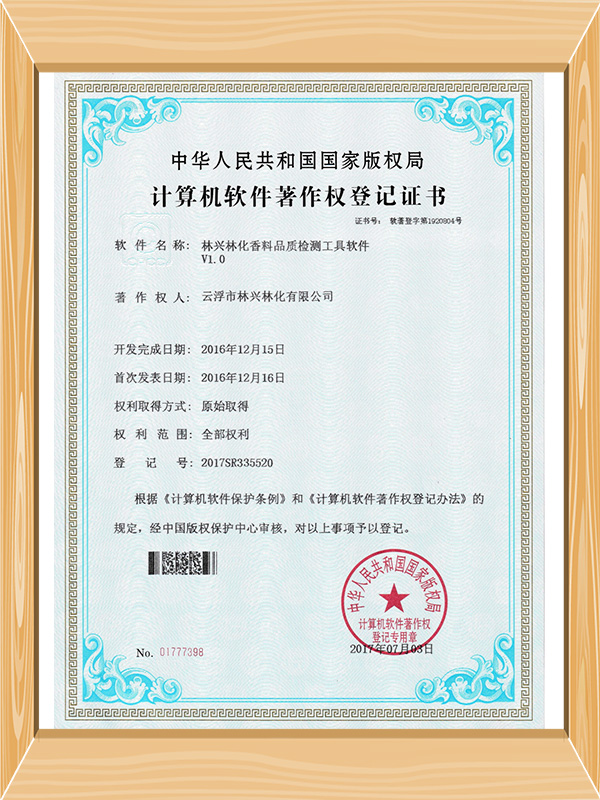
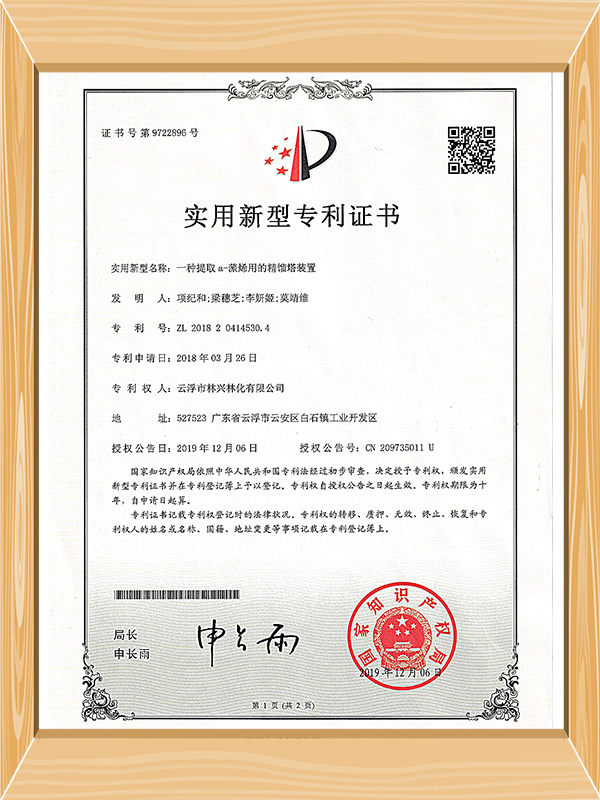
Three pragmatic paths: multi-sourcing (two reliable suppliers to hedge risk), blended sourcing (mix a high-purity stock with seasonal distillates), or an exclusivity contract with pooled inventory. Evaluate suppliers on both chemistry (GC-MS, enantiomer data, peroxide levels) and operational metrics (lead-time, minimum order quantity, batch traceability). If you need a partner that integrates consistent distillation, purity control, and scalable supply, the right chemical supplier can be the difference between a stable launch and constant firefighting.
Summary: what the data tells us
Data points converge: consistency in purity and analytical profile beats the lowest price in long-term cost. Supplier reliability and traceable QA reduce downstream risk. And because l limonene spans functional roles — solvent, scent, and processing agent — you have to balance chemical specs with operational realities to scale successfully.
Advisory: three golden rules for selecting the right strategy
1) Prioritize analytical transparency: demand recent GC-MS and enantiomeric data for every lot. 2) Measure operational reliability: require documented historical lead-time performance and batch traceability. 3) Calculate total landed cost: include testing, reformulation, storage, and potential rework when comparing unit prices.
These rules nudge you toward suppliers who align chemistry with supply-chain discipline — and that’s exactly where a partner like Linxingpinechem naturally fits as a solution-oriented source. —