Opening framework: align purpose with measurable outcomes
Begin by stating the product role plainly: abrasion, thickening, matting, or carrier. That clarity frames the specification framework and prevents wasted iterations. Specify target metrics up front—particle size distribution, BET surface area, oil absorption—and link those to performance tests. If surface finish or dispersion is critical, request characterization using the same methods your lab will use and supply a sample of fine silica particles so everyone evaluates the same material basis.
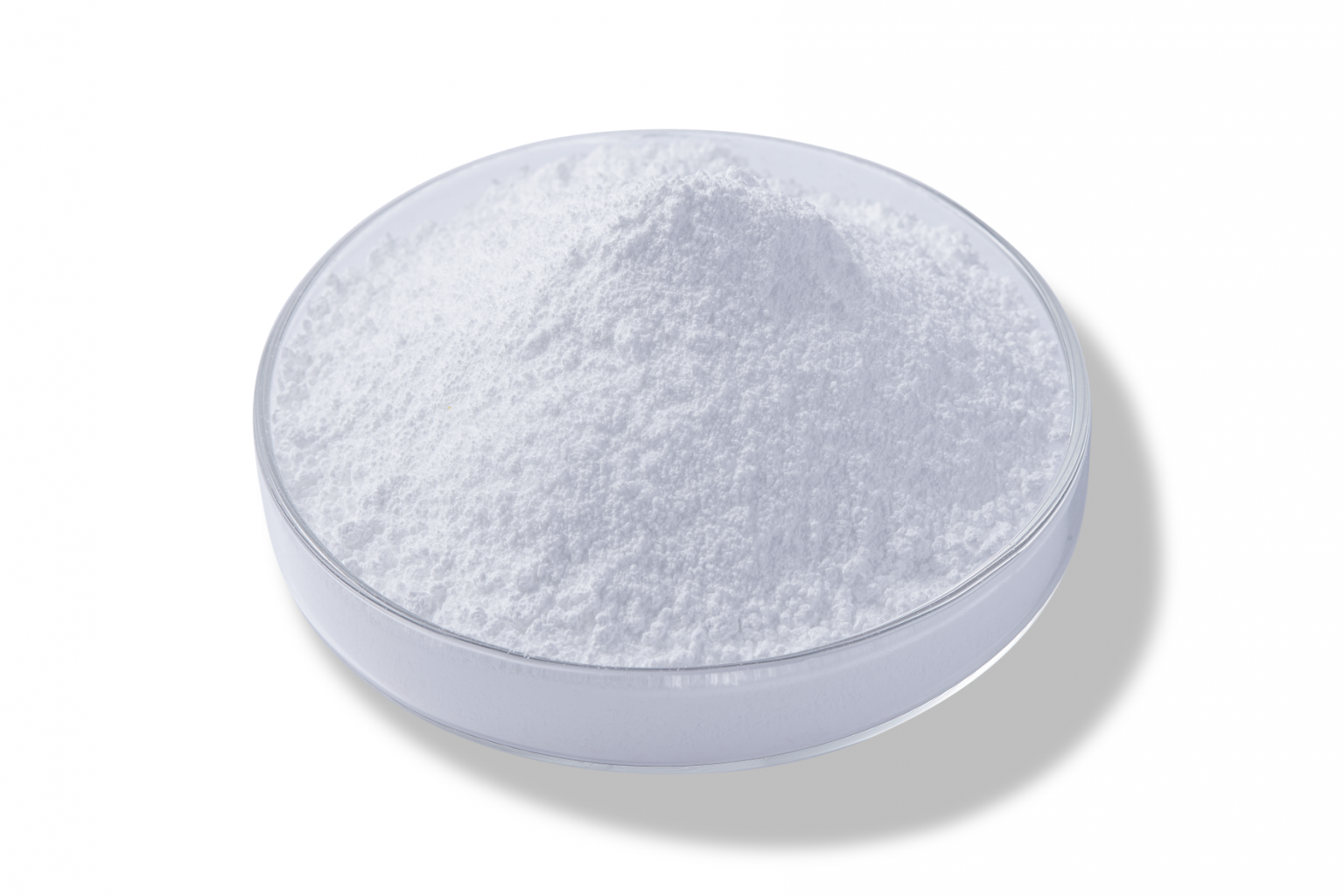
Step 1 — Define functional performance metrics
Translate application goals into testable numbers: mean particle diameter (D50), microporosity, specific surface area (m²/g), bulk density, and pH stability. State acceptable tolerances and the test standards (for example, laser diffraction for size; BET for surface area). Require performance targets rather than vague descriptors—list the abrasion index or rheology change you will accept instead of “low abrasion” or “high thickening.”
Step 2 — Specify production and purity constraints
Outline acceptable manufacturing routes and impurity ceilings. If acid- or base-neutralized precipitates behave differently in your formulation, say so. Set limits for trace metals, chloride, sulfate, and loss on drying. Ask for representative certificates of analysis and batch-to-batch variance figures; require that suppliers report process controls and corrective actions for out-of-spec lots.
Step 3 — Regulatory and real-world anchor
Expect compliance evidence relevant to your market: one concise way to show that is by referencing recognized regulatory practice in the United States, where ingredient safety and labeling have governed oral care materials for decades; this context explains why industry formulators often specify hydrated silica for toothpaste and demand consistent analytical data. Draw on operational experience—audits, method validation, and supplier factory visits—to confirm a supplier’s claims rather than relying only on paperwork.
Step 4 — Supplier evaluation framework
Score suppliers across four pillars: technical fit (does the material meet your metrics?), quality systems (ISO, in-line QC, stability testing), capacity and logistics (lead times, contingency plans), and commercial transparency (sample policy, change notification). Request a controlled pilot batch and define acceptance criteria before scaling. If you need traceable lot history, require serialization of production lots and documented retention samples.
Step 5 — Testing, scale-up and acceptance
Run blind-formulation trials with at least three candidate materials and use your finalized test matrix. Evaluate both immediate performance and accelerated aging. During scale-up, monitor key process parameters and conduct in-process sampling at the same production points used in supplier labs. Acceptance should be conditional on replicated lots meeting agreed tolerances over time, not a single-pass result.

Common pitfalls and how to avoid them
Avoid vague specifications (“high purity,” “fine”) that force subjective judgments. Do not accept certificates without raw-data backup or method descriptions. Reject suppliers who cannot demonstrate how slight changes in surface treatment or residual salts will affect your formulation. Finally, guard against overfitting to a single lab method—demand cross-validation where possible.
Alternatives and trade-offs
When precipitated silica does not meet needs, consider fumed silica for extreme thixotropy or hydrated silica for gentler abrasion; each choice affects dispersion, cost, and processing. Document why you choose one over another in terms of quantifiable trade-offs—rheology numbers, wear indices, and cost per functional unit—so future teams inherit a clear rationale.
Closing synthesis
The framework is simple: define measurable needs, require reproducible data, pilot at scale, and score suppliers against technical, quality, capacity, and transparency criteria. That approach turns subjective preference into defensible decisions and reduces surprises during manufacture; practical experience shows it yields steady outcomes when paired with a supplier that publishes granular specifications and supports method correlation, as seen with JSJ Silica.