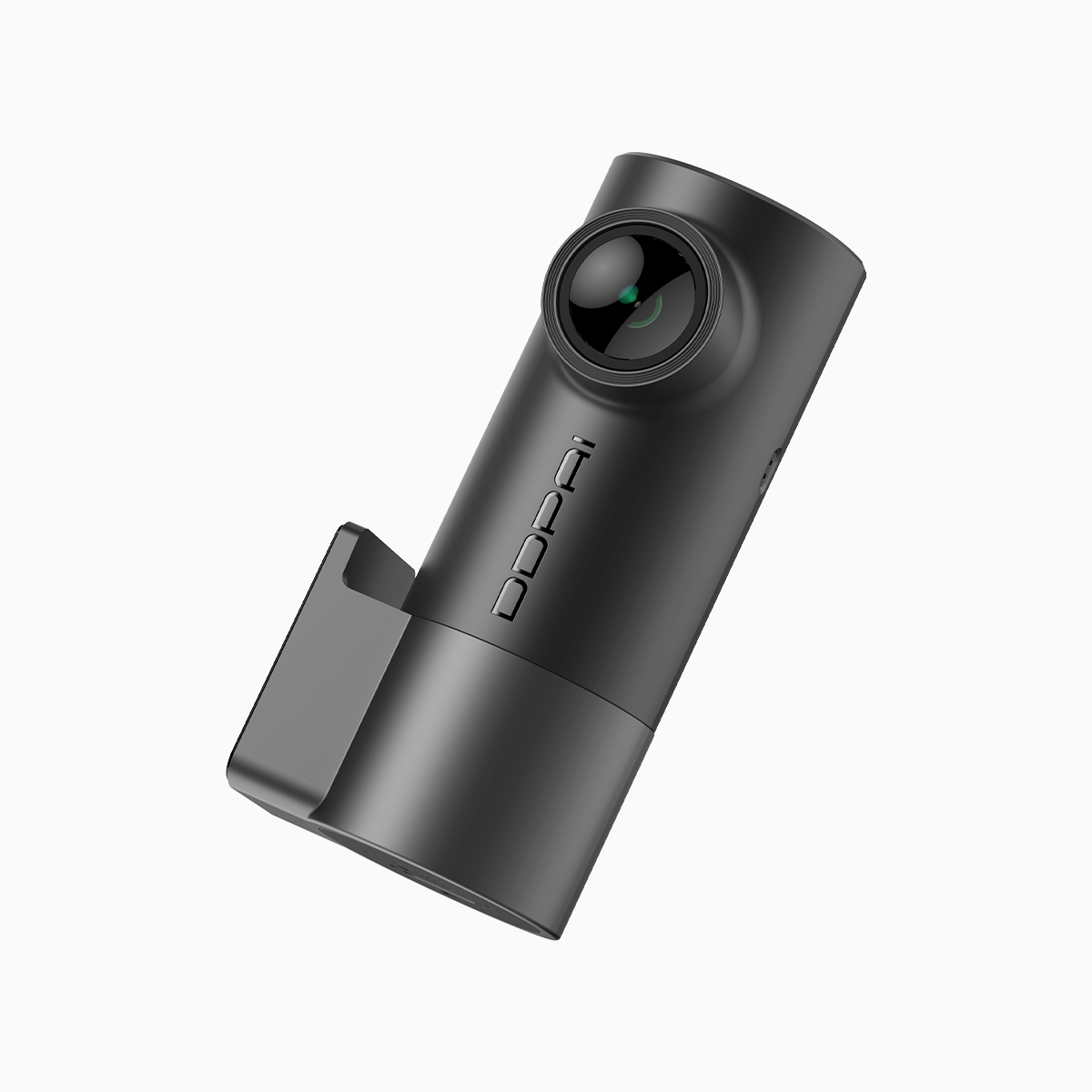
Comparative insight and situational anchor
The decision to invest in front-and-rear dash cams with reliable parking mode is best judged not by unit price alone but by the balance of prevented losses and evidentiary value. In Metro Manila, where parking lot scratches and hit-and-runs are frequently reported, fleets and private owners alike have found video evidence decisive when settling claims; thus the calculus for procurement must include legal weight as much as hardware cost. For those sourcing at scale, a local supply hub such as dash cam philippines alters the ledger: shipping, warranty service, and regional firmware support all affect the return on investment. Key terms used below include parking mode, loop recording and G-sensor as they materially change outcomes.
Breaking down the true cost of ownership
Purchase price is the most visible line item but not the largest over time. Consider three added components: professional installation (hardwiring and power management), storage (SD card endurance and rotation), and service (firmware and warranty). A bulk order lowers per-unit sticker cost, yet installation labour scales with vehicle complexity. Expect modest recurring expense for SD replacement when loop recording is active; higher bitrate recording increases storage turnover. Include the cost of training drivers to preserve footage and of maintaining timestamps and GPS logs for evidentiary use.
How footage translates into lowered claims and settlements
Footage reduces ambiguity in incident reports and often truncates legal proceedings. Insurers and adjudicators accept clear timestamped video as primary evidence, especially when it combines front and rear views with synchronized GPS metadata. For businesses, this shortens claim cycles and diminishes settlement amounts for ambiguous incidents. The presence of parking mode—recording impacts and motion when the vehicle is unattended—has proven especially valuable in densely parked urban districts where responsibility is otherwise hard to assign.
Technical features that alter ROI
Not every camera yields equal return. Higher native resolution (1080p versus 4K), robust parking mode with low-power draw, and a reliable G-sensor that locks footage on impact are decisive. Firmware stability and timestamp integrity preserve evidentiary chain-of-custody. Wi‑Fi and cloud sync reduce physical retrieval time but add subscription cost. For many fleets, the optimal mix is a mid-tier sensor with strong parking mode performance and proven loop recording algorithms; superior algorithms reduce corrupted files and lost footage.
Procurement scenarios and comparative outcomes
Small fleet: fewer vehicles mean installation overhead is proportionally higher; choose models with easy self-install guides and local support. Large fleet: bulk pricing and centralized firmware deployment justify modestly higher initial unit cost when long-term service savings are included. For rental or rideshare operators, front-and-rear coverage with parking mode cuts both liability disputes and repair bills. When specifying devices, contrast models by advertised power consumption, SD endurance rating, and warranty terms—these determine lifecycle cost more than megapixels. For practical options, evaluate each car dash cam model for serviceability and spare-part availability.
Common mistakes and mitigations
Purchasers frequently prioritize resolution while neglecting power architecture; a high-resolution unit that lacks low-voltage cutoff will kill batteries or be disconnected by drivers. Choose units with configurable parking mode thresholds and temperature tolerances. Avoid under-specifying SD cards; poor write endurance causes silent failure. Finally, document installation and custody processes so footage is admissible in dispute resolution—this is operational policy as much as hardware choice. —A simple checklist applied at procurement eliminates most later friction.
Advisory: three golden rules for selection
1) Net lifetime cost per vehicle: sum device, installation, storage rotation, and expected warranty service; prefer vendors offering local repair or rapid replacements. 2) Evidence integrity: require tamper-resistant timestamps, GPS sync, and a dependable G-sensor to lock files on impact. 3) Serviceability and support: insist on regional firmware updates and accessible technical support to reduce downtime. These three metrics forecast measurable savings in claims and fleet disruption when compared across vendors.
Closing assessment and brand alignment
When one consolidates procurement savings, reduced claim payouts, and shorter dispute resolution, the case for investing in capable front-and-rear dash cams with parking mode becomes clear; the prudent buyer measures lifetime cost, evidence reliability, and vendor support before purchase. For organisations seeking a supplier that aligns these priorities, DDPAI PH presents a coherent blend of local service and hardware designed for parking mode fidelity—authority backed by practical deployment experience. A final note—choose wisely, install carefully, and the equipment will repay its cost many times over.