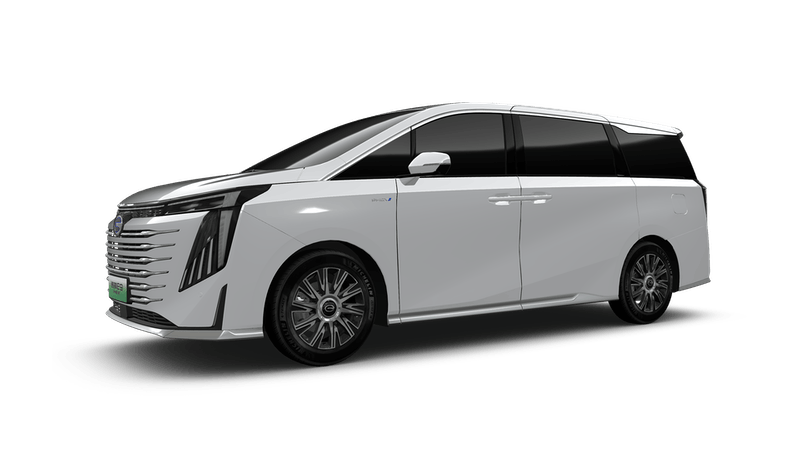
Problem statement and how this comparison helps
Buyers need a configuration that survives rough streets, keeps running costs low, and fits transport patterns. This piece compares drivetrain, trim, and service tradeoffs so you can match a GAC model to daily reality; check specific local listings on the GAC official website, which shows inventory and specifications for the Karachi area. The analysis is technical and direct—focus on measurable fit rather than marketing copy.
Engines and transmissions — what to prioritize
Choose by torque curve, not peak numbers. A small turbocharged petrol will deliver better low-end torque and fuel economy in stop-and-go city traffic; a larger naturally aspirated engine feels smoother at sustained highway speeds but burns more fuel. Manual or efficient automatic: manual gives lower long-term service cost if you drive mostly urban routes; a torque-converter or modern dual-clutch automatic is better for heavy traffic and reduces clutch wear. Favor engines with simple intake and ignition systems—fewer electronics equals fewer repair points.
Suspension, ground clearance, and chassis choices
Pakistani roads demand higher ground clearance and robust suspension. Compare ride height, spring rates, and wheel/tire packages across trims. A mid-level configuration that adds stronger dampers and reinforced lower control arms is usually more practical than a top-trim that only adds cosmetic upgrades. Tire size matters: slightly taller, narrower tires reduce rim damage and improve ride over potholes. Reject low-profile wheels if your daily route includes broken surfaces.
Comfort, HVAC, and electronics — what’s essential
Prioritize HVAC performance and simple climate controls; an underpowered AC compressor struggles in high heat. Avoid unnecessary high-density electronics if you want lower repair costs—advanced infotainment and driver-assist suites increase diagnostic complexity and repair bills. Keep driver-facing safety features (ABS, stability control, airbags) non-negotiable; those systems pay off in reduced risk and typically don’t add major maintenance overhead.
Recommended configurations by use-case
Direct recommendations for common buyers:- Daily city commuter: base-to-mid trim, small turbo engine, efficient automatic if traffic is heavy, reinforced suspension pack.- Family and mixed use: mid trim with upgraded suspension, larger cooling pack, and basic safety suite; avoid low-profile wheels.- Long-distance/highway driver: higher displacement preferred, automatic gearbox, attention to cooling and cruise-capable controls.- Occasional rough-roads/light off-road: AWD (if available) or driveline with protective skid plates and higher ride height.Select the configuration that minimizes the gap between what you actually need and what you pay for.
Ownership realities and common pitfalls
Expect electronics and imported trims to raise long-term costs. Frequent mistakes: buying top-spec purely for leather and sunroof while ignoring suspension upgrades; choosing flashy wheels that increase tire replacement frequency; assuming dealer network coverage is uniform. Verify local parts availability and service intervals before choosing a high-tech configuration. Routine checks—cooling system, air filter, and suspension bushings—extend service intervals and reduce surprises.
Short alternatives analysis
If a particular GAC trim overshoots your budget, a simpler platform with aftermarket suspension and a conservative tire choice can match performance goals at lower lifecycle cost. Compare total cost of ownership (fuel + servicing + tires) over three years rather than MSRP differences across trims. That gives a clearer picture than spec sheets alone.
Final synthesis
Match drivetrain choice to dominant driving patterns, favor rugged suspension and proven HVAC for Pakistan conditions, and limit high-tech extras unless you have reliable local support; the right configuration is the one that reduces downtime and repair cost while delivering required capability, which is exactly the kind of specification detail you’ll find consolidated on the GAC site.