When the quick fixes don’t save the day
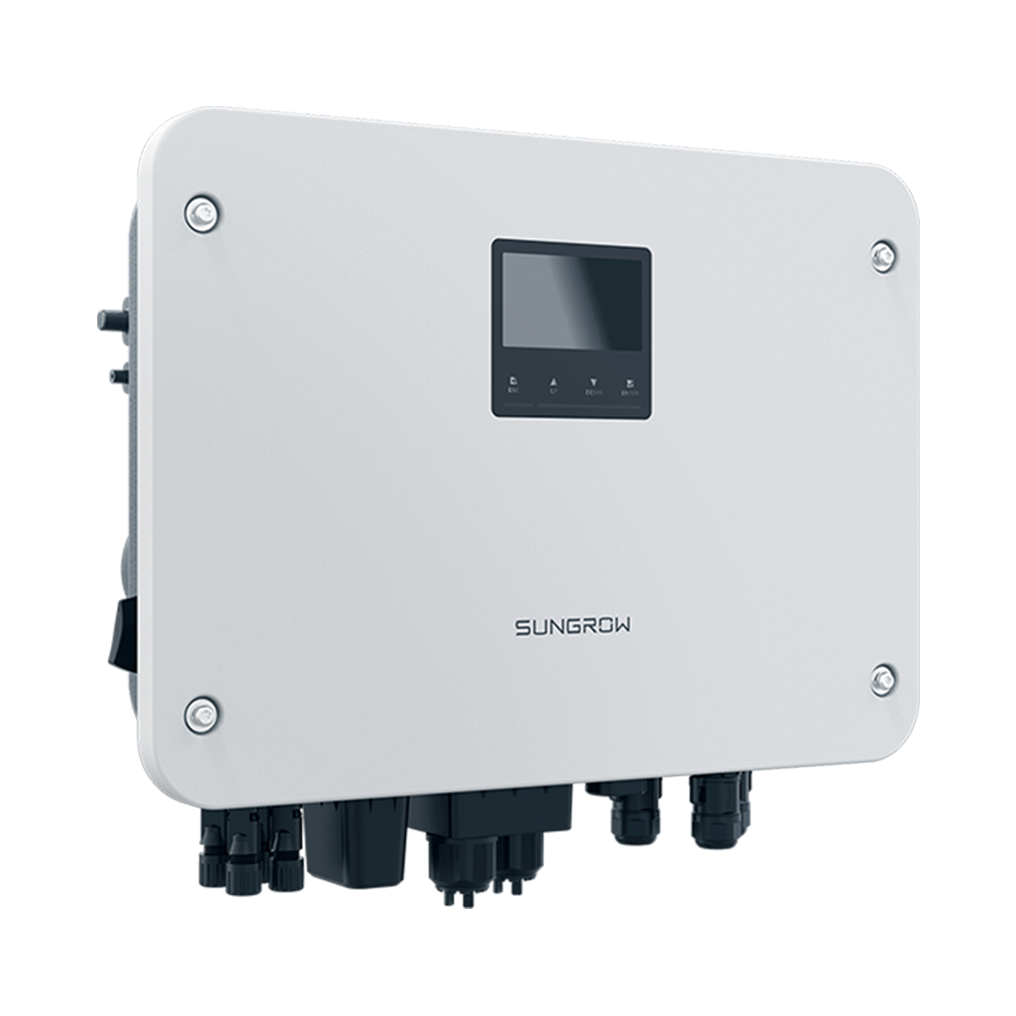
I once sat on my porch watching neighbors light candles after a storm, thinking the usual fixes would carry us through — they didn’t. I started by installing smaller systems and testing different setups, and that led me to solar batteries for home early on. What I learned surprised me: most guides focus on capacity and price, but miss the real failure modes like poor thermal management and incompatible inverter pairing (yes, the inverter matters more than people think). I mention lithium-ion cells, BMS behavior, and inverter sizing because those three often decide whether a system is useful or just decorative.
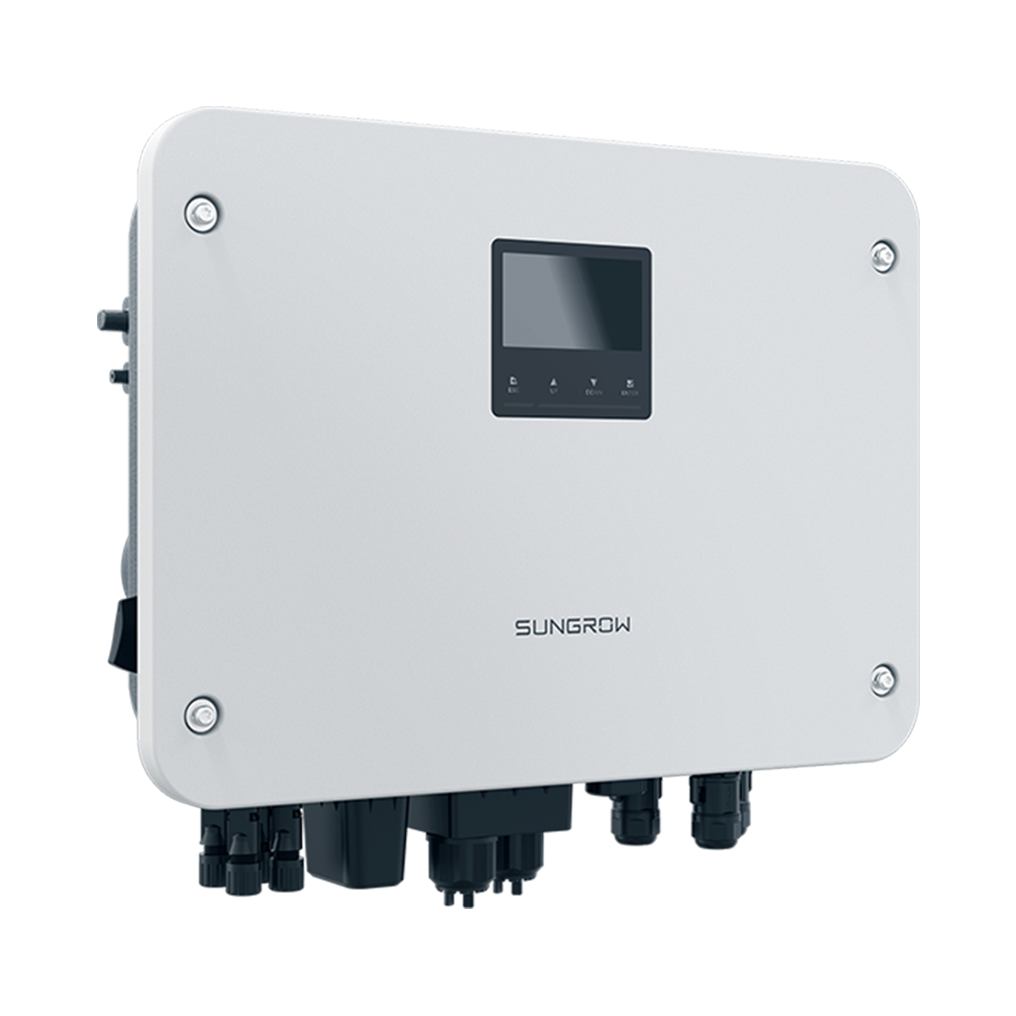
I remember installing a 10 kWh lithium-ion pack on a bungalow in Austin in March 2021; it kept lights and a fridge running for about 16 hours during an outage, but only after I swapped the original inverter for one with better peak handling. That concrete fix — replacing the inverter rather than adding more capacity — changed my view. Traditional solution flaws usually fall into two buckets: people buy for raw kWh instead of usable kWh (depth of discharge and cycle life matter), and installers neglect system integration (BMS-to-inverter communication, load prioritization). This is where most homeowners feel the pain — wasted money and unexpected performance. Next, I’ll compare the trade-offs and what to prioritize.
Comparing real choices and what to pick next
What’s Next?
Now I switch gears and look ahead: I compare practical options and give you measurable ways to judge systems. When I evaluate future-ready kits I check usable capacity, inverter compatibility, and the battery’s cycle life. I also consider thermal management — a pack installed in an attic in Phoenix will age much faster than one in Portland. For installers and homeowners, that difference translates to real cost: faster degradation means replacement sooner, and that erases upfront savings.
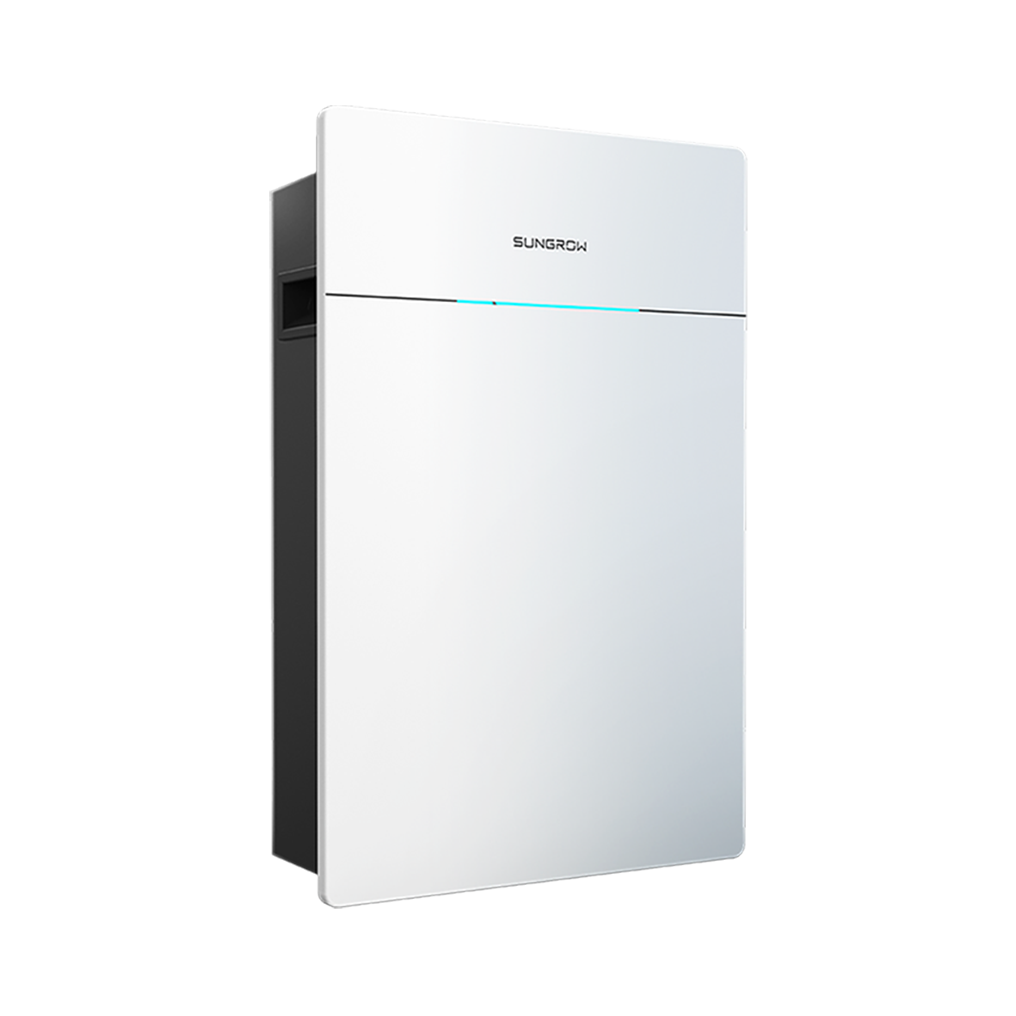
When I recommend solar batteries for home, I weigh three metrics more heavily than sticker price: usable kWh (not just rated capacity), round-trip efficiency, and realistic cycle life at your local temperature profile. I use BMS logs and inverter telemetry to verify claims; we’ve caught vendors overpromising on cycle life twice in the last five years (one case: a 2020 unit rated for 6,000 cycles that dropped sharply after 1,200 cycles in hot-climate testing). That kind of detail matters — trust but verify. Also — keep in mind warranties often hinge on specific conditions, so read them like a contract.
To close, here are three concrete evaluation metrics you can use right away: usable capacity (kWh), expected cycle life at your average operating temperature, and inverter/BMS compatibility. I have used these on dozens of installs, including a community project in Santa Fe in November 2022 that extended blackout resilience by multiple days. Try them; they’ll save you money and headaches. Oh, and if you want a practical place to start checking product specs, look at manufacturer datasheets and real-world telemetry — and consider brands like sungrow as one data point in your decision mix.