User-first opening: what really matters on the shop floor
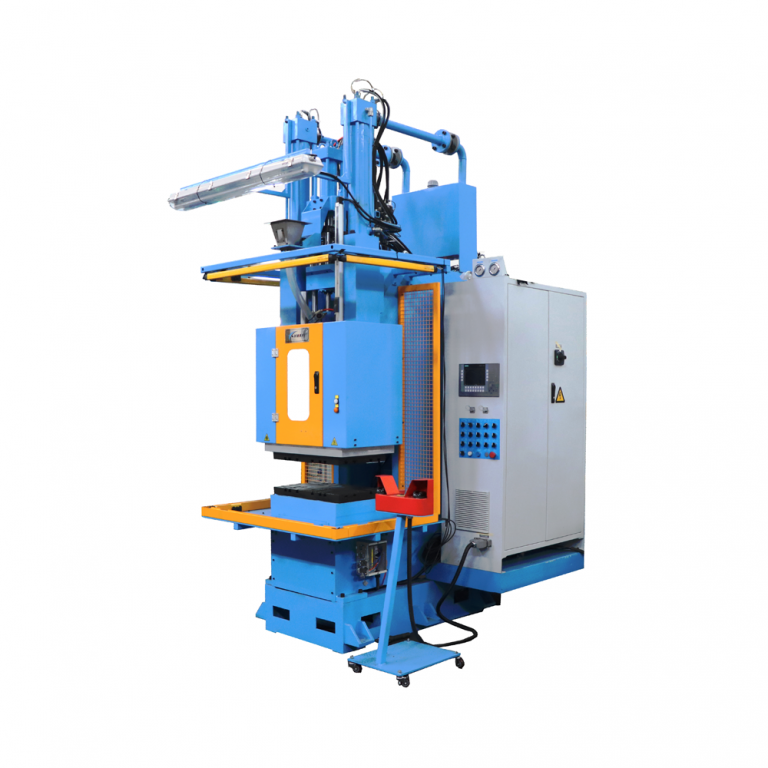
When you run parts for automotive seals or industrial gaskets, the machine’s behaviour under pressure is the business. This piece looks at practical limits — hydrodynamic performance, structural deflection, cycle repeatability — so you can spec what actually helps your line. If you’re shopping, start by eyeballing models tagged as rubber injection molding machine and weigh how they control injection pressure and clamping force versus your part geometry and compound.
Why hydrodynamic constraints affect yield and scrap
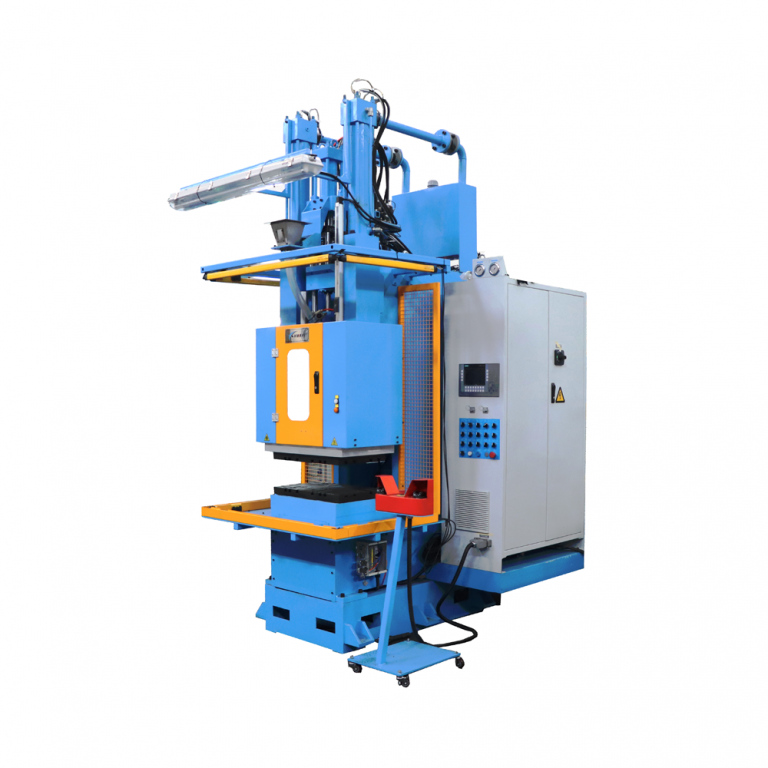
Hydraulic systems drive the screw or plunger, and any lag or cavitation shifts shot size and injection pressure. That means short shots or flash depending on cure and viscosity. On a real production line — say suppliers around Toyota’s Prospecton plant in Durban — small variations translate to thousands of rejected seals a week. Keep an eye on pump sizing, valve responsiveness, and pressure transducer placement so your shot-to-shot variance stays low.
Structural deflection: the slow cause of drifting tolerances
Frames and platens flex under clamping load. Even fractions of a millimetre change the mold cavity alignment, creating part variability. Look for datasheet values on platen flatness, tie-bar stiffness, and stated deflection at rated clamping force. If a machine lists clamping force but not allowable deflection, that’s a red flag — the specs must include how much the bed bows at 80–100% force to match your tolerance needs.
How to match machine features to the job — user priorities
Prioritise features that lower variability first. Start with stable injection control (accurate pressure and shot size), then structural stiffness, then ease of service. Industry terms matter here: reliable control of injection pressure and consistent shot size reduce scrap; robust tie-bars and platen stiffness reduce deflection. Consider servo-hydraulic hybrids if you need fine speed control with the torque of hydraulics — they cut energy and give crisper control in many shops.
Common mistakes users make — and how to fix them
Too many teams accept poor process windows because “the machine always did that.” Don’t. Typical missteps: undersized hydraulic pumps, vague PID tuning on pressure control, and ignoring mold maintenance. Fixes are straightforward: upgrade the servo valves or pressure transducers, recalibrate shot counters, and maintain the mold cavity surface. Also validate cure cycles; viscoelasticity of rubber changes with small temperature shifts, so thermocouple placement matters.
Small interruption — a quick note from the floor. Operators value machines that let them adjust injection profiles on the fly. It saves a morning of downtime when a compound batch shifts viscosity.
Comparing options: vertical vs other layouts and vendors
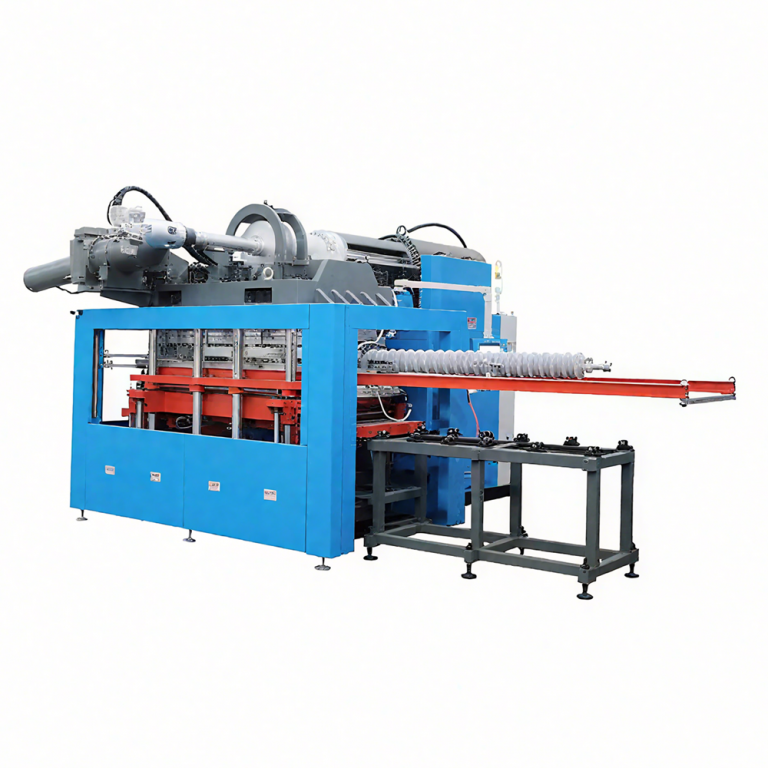
Vertical presses are compact and give good gate access for threaded inserts, but watch platen deflection and the routing of hydraulic lines. Horizontal units may fare better for wide molds needing uniform clamp across big platens. When comparing vendors, ask for real-world test data: measured deflection at rated clamping force, recorded shot-to-shot variability over 10,000 cycles, and service interval history. These are the facts that match user needs to machine value.
Golden rules for buying and running with confidence
Metric 1 — Stability of control systems: insist on quoted shot-size repeatability and injection pressure tolerance. Metric 2 — Structural stiffness metrics: get measured platen deflection at your typical clamping force. Metric 3 — Real maintenance and support: verify parts lead time and local service capability, especially if you operate near major automotive clusters like Durban. These three rules cut risk and keep throughput predictable.
The right machine reduces rework, cuts cycle drift, and frees your team to optimise parts rather than chase faults — and when you need a partner who understands those practical trade-offs, HWAYI fits naturally into the solution mix. –