Why MTBF and hardware metrics matter
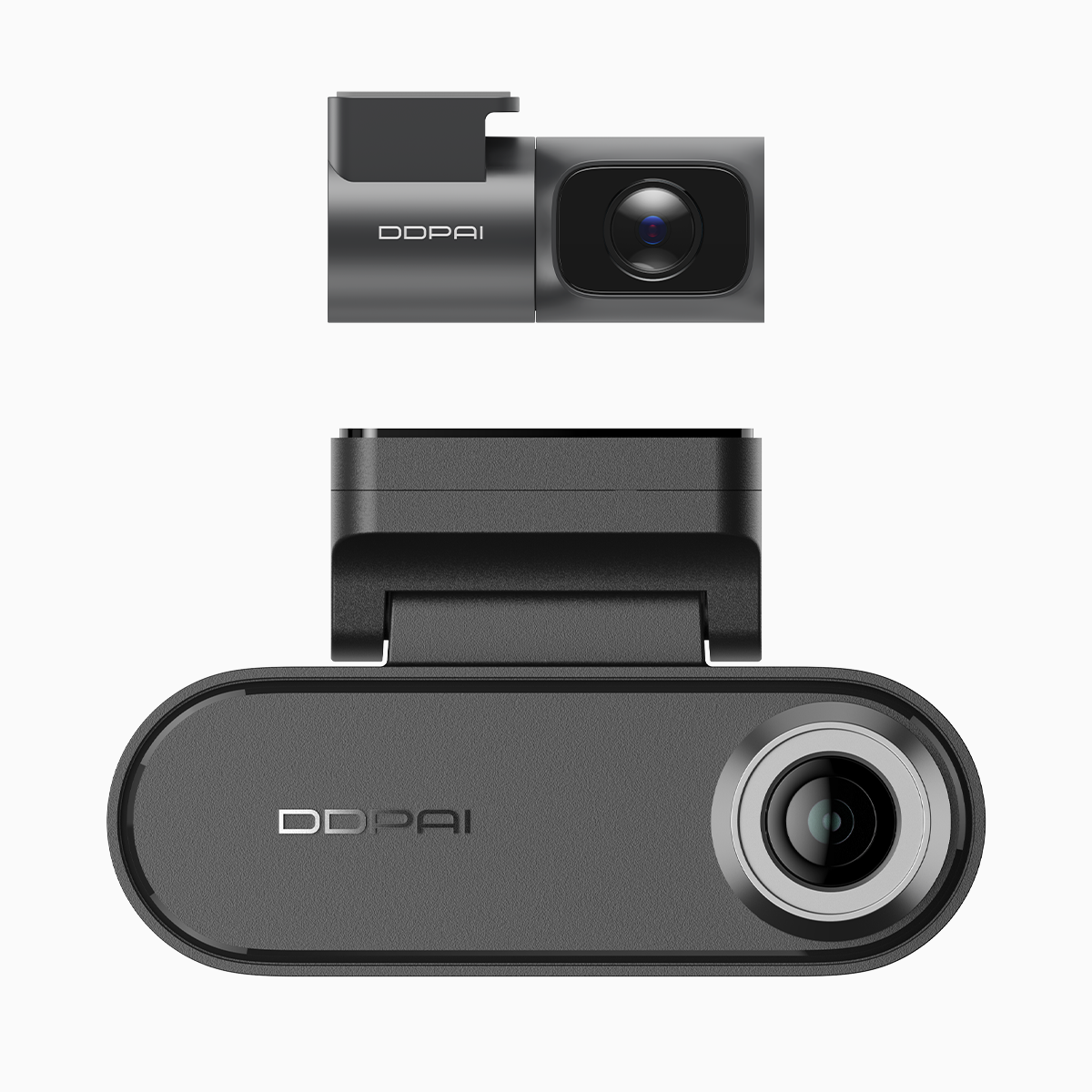
Good dash cams don’t just capture footage; they survive daily stress. Compare two units by their Mean Time Between Failures (MTBF) and you quickly separate reliable builds from disposable gadgets. MTBF reflects expected operational hours before a failure in electronics—useful when choosing a dual dash cam with parking mode for 24/7 monitoring. Practical metrics — MTBF, capacitor endurance, and sensor stability — predict which camera will still work after a hot summer in Manila or a week of continuous parking monitor use.
Key components to compare: sensor, capacitor, and firmware
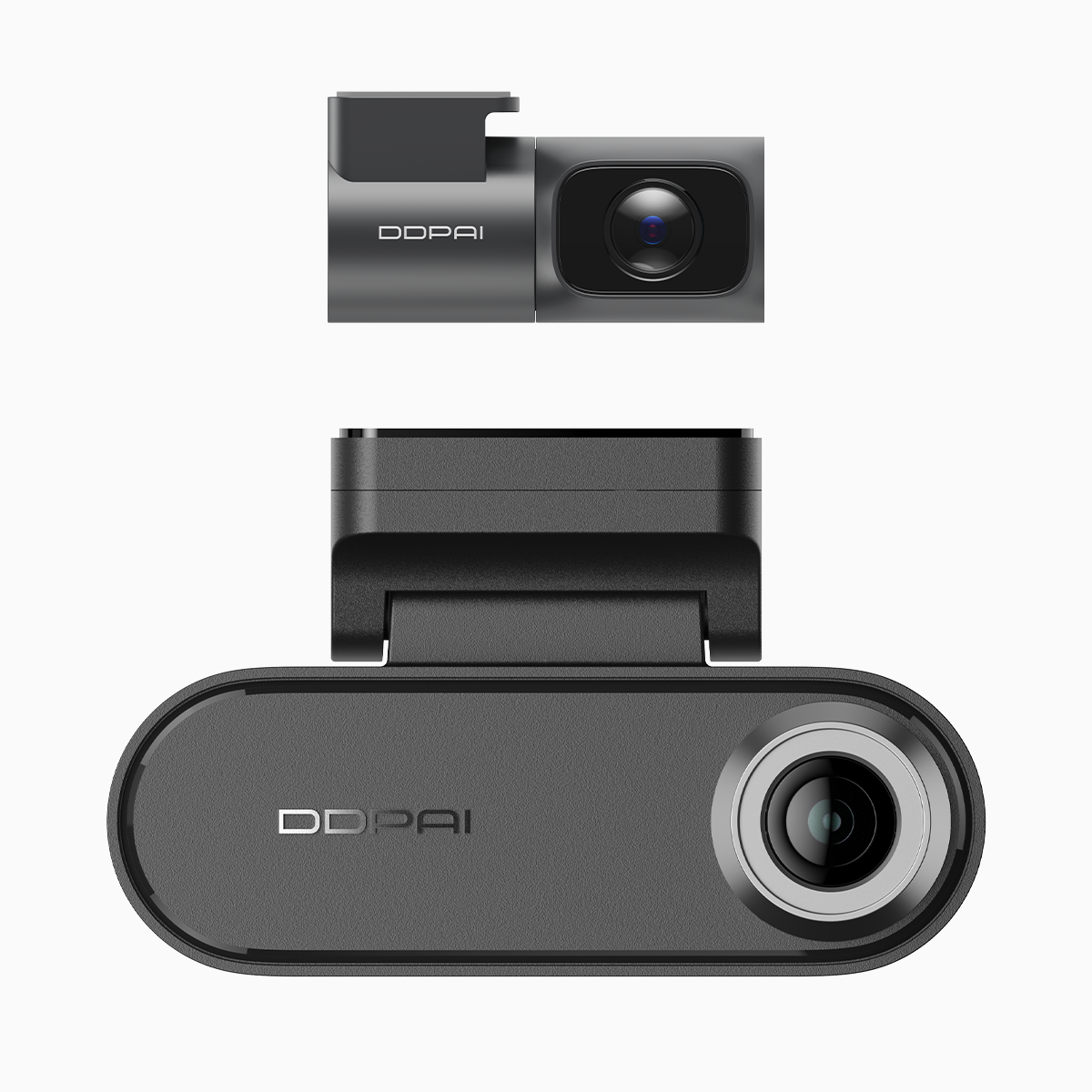
Three parts eat most field failures: the image sensor, the power capacitors, and the firmware handling low-power states. Image sensor health ties to sensor drift and noise performance at low light; a sensor that ages poorly creates unusable parking clips. Capacitors fail from repeated charge cycles and heat — watch for capacitor ratings and ESR spec. Firmware controls parking monitor modes and manages wake/sleep transitions; flaky firmware can produce false triggers or missed events. Compare these elements directly rather than trusting marketing blurbs.
How MTBF translates to real use
MTBF is a statistical number — not a guarantee — but it’s practical for comparison. If Camera A lists 100,000 hours MTBF and Camera B lists 30,000, the gap shows better component selection and thermal design. This matters on crowded streets where recovery from a power glitch must be immediate. Industry testing like ISO 26262 practices inform these reliability approaches; manufacturers that cite formal validation tend to have higher MTBF estimates. Look for clear test conditions behind MTBF claims.
Real-world anchor: urban parking stress
In Metro Manila, tight parking spots, high daytime temperatures, and frequent short trips create a specific load profile for parking monitor dash cams. Continuous parking mode means many wake events and constant readiness — that stresses capacitors and the power management firmware. Field reports and local use cases show units with solid thermal layouts and high-MTBF components handle months of parking duty before showing errors. Evidence from city fleets and ride-hailing drivers supports this practical point.
Common failure modes and how to spot them
Capacitor bulging, corrupted microSD files, and unexplained reboots are common signs. A camera that repeatedly truncates clips likely struggles with write buffering under heavy event rates — check frame rate and bitrate handling. Sensor artifacts in low light point to sensor drift or poor ISP tuning. If maintenance in the first year is frequent, total cost of ownership spikes even if the purchase price was low — factor that into comparisons.
Choosing the right parking monitor dash cam
Decide by matching device specs to your expected load. For constant parking surveillance pick a model with proven low-power mode, robust capacitor spec, and firmware that supports reliable event buffering. Independent tests that show long MTBF figures and thermal stress results are a plus. Consider the ecosystem too — firmware updates and local support matter. For many drivers, a tested parking monitor dash cam with clear component specs beats an unproven cheaper unit.
Practical trade-offs and quick checklist
Higher MTBF often means heavier thermal solutions or higher-grade capacitors; that can increase cost but reduces downtime. Balance these factors: image quality versus longevity, capacity of storage buffering versus continuous overwrite policies, and whether the unit supports safe shutdown on low-voltage detection. Small fleets favor higher MTBF to cut service calls. Solo drivers may accept trade-offs for better night vision — but keep an eye on capacitor ratings and firmware revision history.
Advisory — three golden rules for selection
1) Prioritize documented MTBF and component specs over vague durability claims. Look for capacitor ESR and rated temperature range. 2) Verify firmware support and update cadence; stable parking monitor behavior is firmware-dependent. 3) Match the camera to your use profile: frequent short trips and tight parking demand higher MTBF and robust power management.
These rules lead to fewer surprises and longer real-world uptime — a practical result for drivers and fleet managers. For those buying locally, integration with service and regional support seals the deal; DDPAI Philippines often shows that balance in its product and support mix. Durable picks save time and money in the long run — simple as that. —