Introduction — a short scene, a hard fact, a question
I was in a small assembly room last month, watching a tech walk past a bank of soldering stations and sigh. The smell was familiar and, frankly, a bit worrying; fume extraction for electronics and industrial applications was obviously patchy in that facility. Recent studies show workplace exposure to solder fume and VOCs can exceed safe limits by up to three times in poorly ventilated shops (and that’s not uncommon). So what do you do when a simple change could cut exposure, improve yield and calm the crew — without rebuilding the whole plant?
I’ve seen the same story in many places: dusty workshops turned into quieter, healthier workspaces once someone re-thought extraction. It’s practical. It’s often low-cost. And it matters to people — not just compliance officers. Let’s dig into what usually goes wrong beneath the surface, then look at better ways forward.
Why the usual fixes miss the mark
What’s the real issue?
When I talk to managers in computer and electronic product manufacturing, they often tell me the same two things: “We installed room fans” or “We added a hood.” Both sound sensible. But in real-world use they often fall short.
First, many systems treat the symptom not the source. A room fan moves air. It does not capture solder fume or fine particulates at the point of generation. Local exhaust ventilation needs to match the process — capture at soldering irons, pick-and-place areas, and reflow ovens. Second, filtration choices are lumped into “good enough” categories. HEPA filters, activated carbon, electrostatic precipitators — each has a role. But mismatched filters let fumes, aldehydes and VOCs slip past. I’ve seen power converters and edge computing nodes humming away while fumes concentrate nearby. Look, it’s simpler than you think: if you don’t measure at the source, you’re guessing.
Lastly, user pain points are ignored. Workers complain about noise, draft, and access to parts. If a hood blocks a board or a filter housing is loud, people bypass it. That’s human behaviour, not negligence. We have to design systems that people willingly use. Otherwise, fancy equipment becomes expensive dust collectors.
New principles and a practical roadmap
What’s Next?
Now I want to shift from problems to principles — the rules I use when advising shops in computer and electronic product manufacturing. First principle: capture early and close. Point-source capture (local exhaust) beats room dilution every time. Second: match filter media to the chemistry. Solder flux needs particulate capture plus VOC control. Third: usability wins. If operators find it fiddly, the system will be defeated in short order — trust me, I’ve seen it happen.
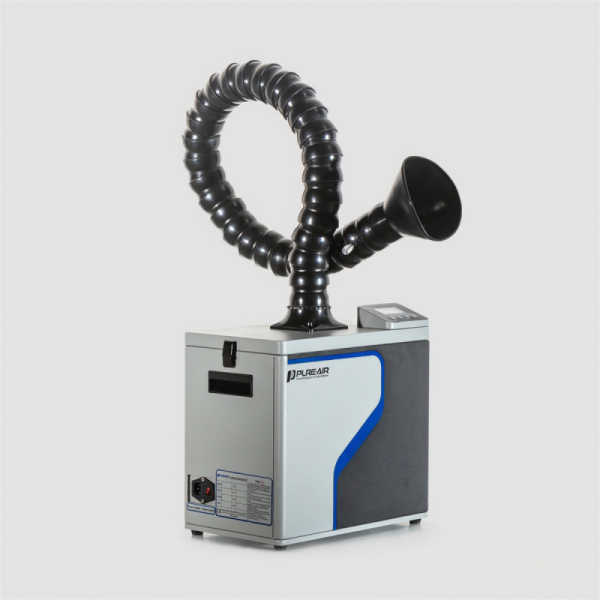
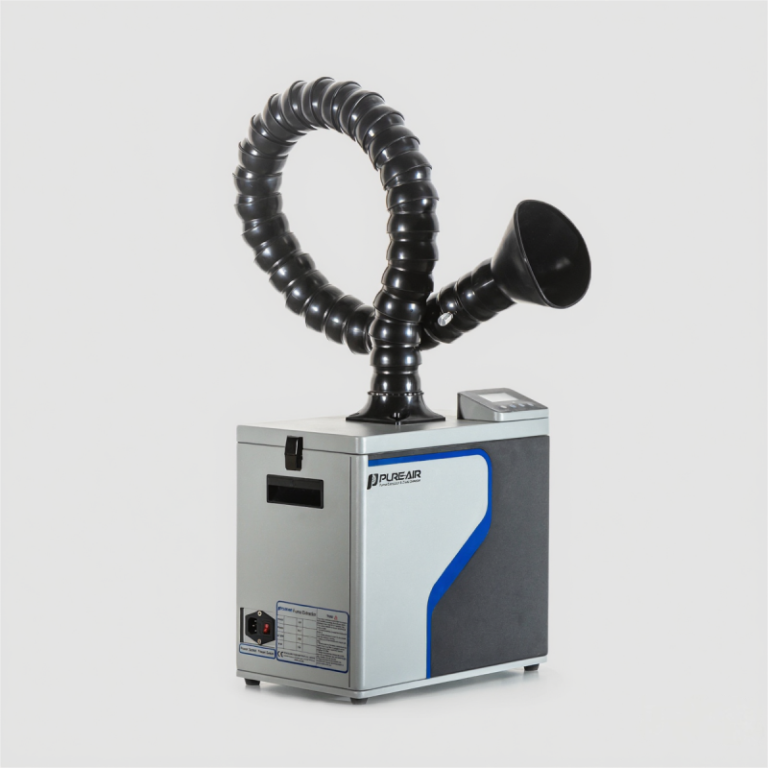
Technically, we’re talking about a mix of devices: fume arms, downdraft benches, HEPA and activated carbon packs, and sometimes electrostatic precipitators for specific dust loads. Combine that with sensible control strategies — variable-speed blowers, task-triggered extraction, and periodic sensor checks — and the results follow. You get lower airborne particulate counts, fewer process defects, and a calmer workforce. — funny how that works, right?
Looking ahead, new materials and compact filtration modules mean retrofits are less invasive. Edge computing nodes can now host simple predictive maintenance alerts for filters. That lets teams replace cartridges before performance drops. The cost? Often less than managers expect. The payoff? Fewer sick days, fewer rejects, and clear air that actually stays clear.
Three metrics I use when choosing a solution
If you want a quick checklist, here are the three evaluation metrics I insist on:
1) Capture Efficiency at Source — Measure particle and VOC levels at the process, not at room centre. If extraction captures >90% at the soldering point, you’re on the right track.
2) Total Cost of Ownership — Include filter replacement, noise mitigation, and downtime. Cheap up-front systems can cost more over a year.
3) Operator Acceptance — Check ergonomics, noise and access. If the crew dislikes the setup, it won’t be used properly.
I recommend running a short trial and measuring before-and-after exposure. Do that and you’ll see real numbers — reduced particulate counts, steadier yields, less complaint. We’ve helped facilities take simple steps that made a big difference. And if you want a proven partner in this space, I suggest checking out PURE-AIR — they’ve built thoughtful solutions for workshops like the ones I visit every week.