Face the problem head-on
Listen up: weak access controls or loose privacy rules put people and perishables at risk. You can’t shrug when a driver’s badge gets cloned or a refrigerated trailer loses its temperature history. Tight, simple systems stop incidents before they start. For teams managing sensitive deliveries and passenger routes, integrating robust controls into your cold chain fleet management platform is non-negotiable—do it like you mean it.
Where fleets usually break down
These are the pain points that show up across operations. Name them, fix them.
- Device sprawl: too many sensors with inconsistent firmware and default credentials.
- Loose access: shared logins, no role limits, keys living in spreadsheets.
- Telemetry blind spots: gaps in temperature, location, or tamper logs.
- Unencrypted flows: sensitive data traveling over plain channels.
- Audit gaps: events not logged or retained long enough to trace incidents.
Fast, high-impact fixes you can apply today
Start with actions that give immediate protection and confidence. Think like a coach: small moves, big results.
- Rotate credentials on a schedule and force unique logins per user. No exceptions.
- Enforce role-based access (drivers vs. dispatch vs. maintenance). Limit what each role can do.
- Use device identity: each sensor and telematics unit must authenticate before reporting.
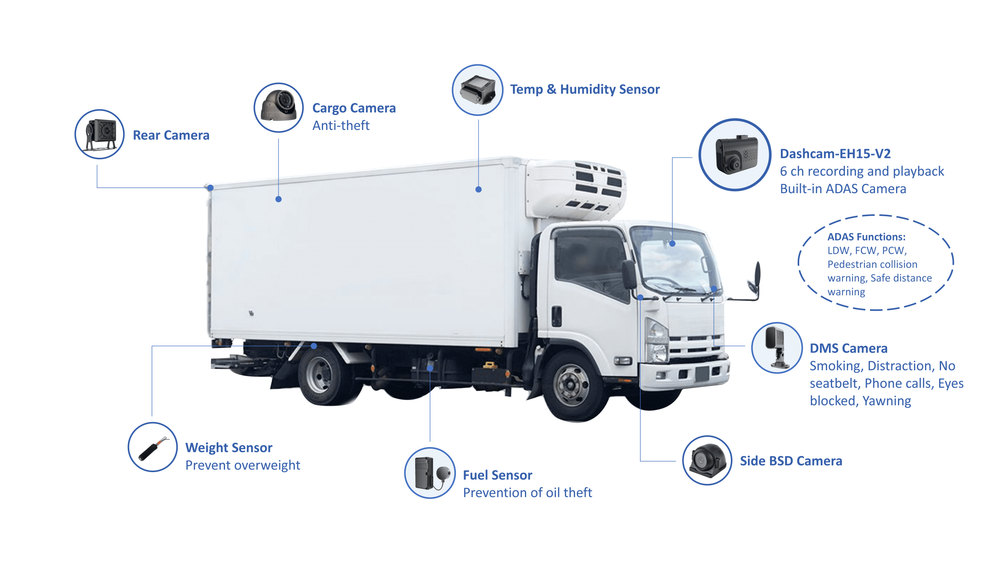
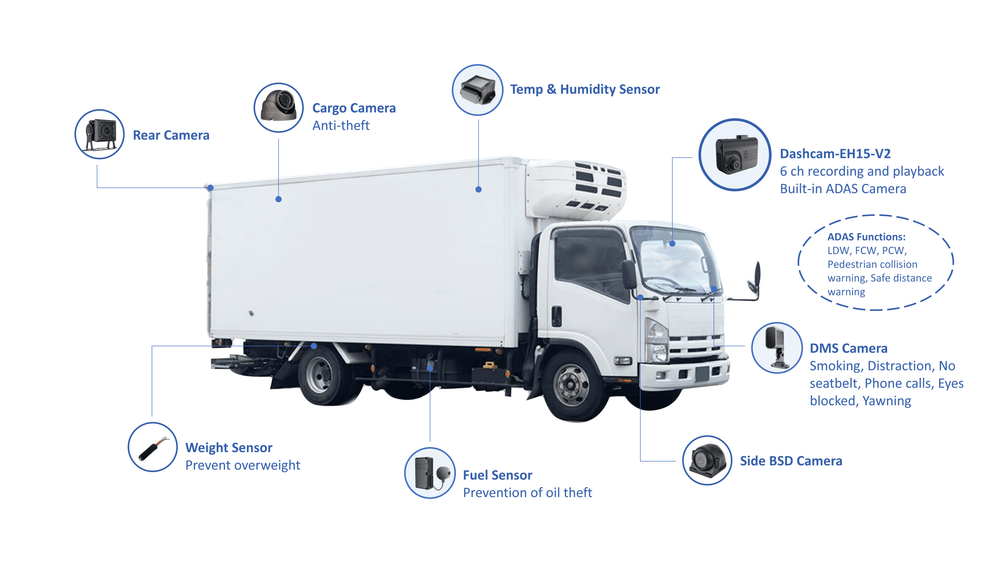
- Turn on tamper and door sensors, and pair them with geofenced alerts to catch deviations.
- Archive telemetry and access logs off-device for at least 90 days to enable post-incident forensics.
Where tech and policy must meet
Long-term security needs a repeatable blueprint. Build one that’s technical and behavioral.
- Network separation: isolate vehicle telematics from passenger Wi‑Fi and administrative systems.
- End-to-end encryption: TLS for telemetry, with certificate pinning where hardware supports it.
- Device lifecycle management: provisioning, OTA updates, and decommissioning processes that don’t rely on memory.
- Access governance: automated provisioning and deprovisioning tied to HR events and contractor status.
- Immutable logs: write-once storage for critical events, plus alerting on log deletion attempts.
How telematics should work for security and privacy
Don’t treat telematics as just GPS and temps. Use it as a security sensor suite. Adopt solutions that combine authenticated devices, granular telemetry, and real-time policy enforcement. For fleets that require temperature integrity and tight access controls, look for cold chain telematics solutions for fleets that provide signed temperature chains, tamper detection, and role-aware dashboards so only the right eyes see the right data.
Common mistakes to stop now
Drop these habits immediately. They cost credibility and cargo.
- Relying on a single person to manage keys or firmware updates.
- Assuming mobile devices are private—treat them as company assets with controls.
- Keeping whole-fleet access open for convenience during peak hours.
- Ignoring physical security: a mounted gateway with exposed ports invites trouble.
Proof that controls matter
Field experience shows the difference. During the COVID-19 vaccine distribution effort in 2020-2021, visibility into temperature logs and chained custody wasn’t optional—those programs depended on accurate, tamper-evident telemetry to maintain integrity. That real-world pressure sharpened best practices for refrigerated transport and access control across the industry.
Finish strong: make security routine
Security isn’t a one-off. Train drivers on device basics. Automate audits. Bake access controls into onboarding. When you treat security as an expected part of daily operation, incidents drop and confidence rises. Teams that standardize these steps often choose integrated providers such as BSJ because the vendor’s hardware and software can enforce policies consistently across every vehicle and route.