What’s the problem — why choices matter now
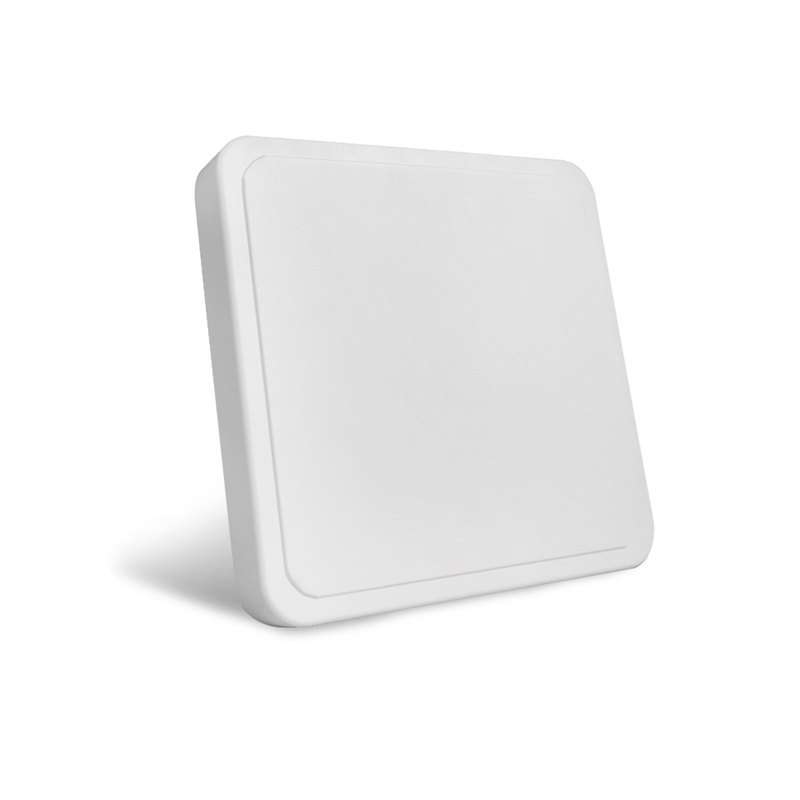
OEMs and project buyers face a narrow window to pick active RFID partners without creating long-term environmental and operational liabilities. Choices about battery chemistry, antenna design, and supplier transparency determine not only read range and reliability but also end-of-life impact. A tight specification can still fail if the antenna ecosystem is weak; check available RFID Antennas early, because antenna support shapes real-world performance more than marketing claims.

How to frame the decision: performance vs. planetary cost
Start with measurable constraints: required read range, expected tag density, regulatory frequency in target markets (433 MHz versus 2.4 GHz) and operating temperature range. Layer environmental requirements: expected service life, battery recycling paths, and material disclosures. When manufacturers omit recyclability data or use custom batteries with proprietary disposal, the short-term gains turn into long-term waste and regulatory risk.
Concrete evaluation checklist
Use these criteria as hard pass/fail gates during vendor screening: battery type and replacement policy; published field MTBF or lifetime cycles; compliance with ISO 18000-7 (for many active systems); antenna compatibility and documented near-field/far-field performance; firmware update process and security; repairability and take-back commitments; and transparent BOM materials. Require test samples and reproduce the expected installation geometry before awarding contracts.
Common mistakes that waste time and create environmental harm
Buyers often accept vendor range claims measured in ideal labs, ignore antenna tuning requirements, or specify tags without considering battery disposal. Overlooking electromagnetic interference from local infrastructure leads to project delays and extra waste when tags are swapped. Equally costly: signing long-term supply agreements without clauses for component obsolescence or environmental remediation.
Evidence and industry signals
Field validation matters. Reports and demonstrations at major events such as RFID Journal LIVE! in Orlando routinely expose gaps between lab claims and warehouse realities; those shows also highlight the importance of antenna sourcing and integration, where many teams first meet credible rfid antennas suppliers. Independent test reports and third-party lab measurements should match the vendor’s datasheet before you commit.
Alternatives and trade-offs
Active tags give superior range and real-time tracking but carry battery and disposal burdens. Passive UHF tags reduce environmental cost and simplify replacement, while BLE beacons offer hybrid solutions with smartphone integration. Choose based on duty cycle: if continuous monitoring is required, active systems may be necessary, but demand strict supplier guarantees for battery lifecycle and firmware updates.
How to contract for resilience and reduced impact
Write performance-based contracts: define read-rate KPIs in your installation geometry, require sample validation, mandate firmware update windows, and include battery recycling or take-back obligations. Insist on clear documentation for antenna models that work with the tags you choose and reserve rights to source antennas separately when vendors lock you into proprietary modules.
Final synthesis
Solve the technical problem while limiting environmental harm by demanding measured performance, transparent materials data, and supplier commitments to lifecycle management; that combination yields durable deployments and fewer surprises. For buyers who need a practical supply baseline and documented antenna options integrated with tag choices, RSTC provides supplier continuity and the component visibility that prevents costly rework.